New Indian ports offer Nepal more options, but cost benefits remain unclear
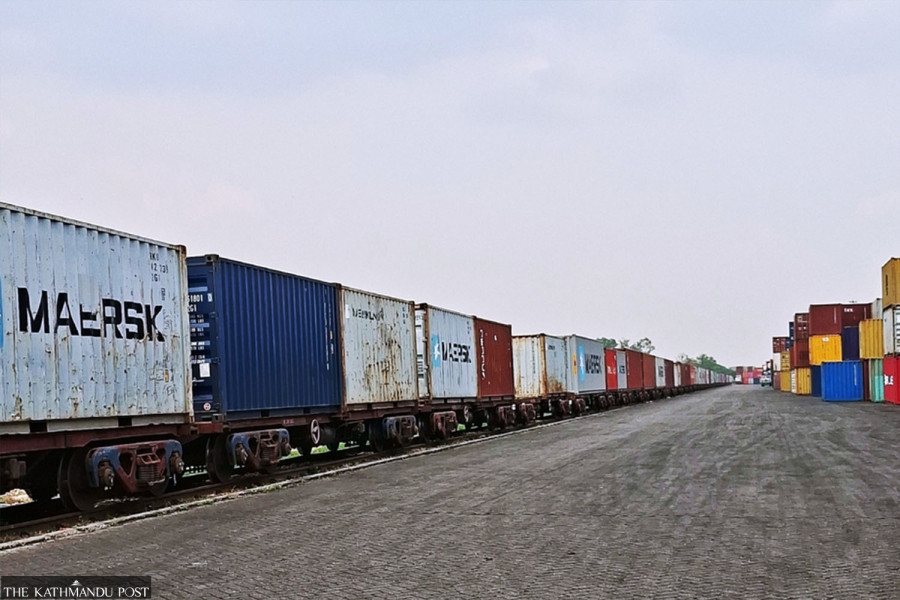
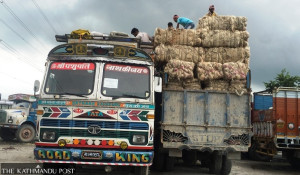
Businesses in Birgunj say inland freight charges, rail links and transit arrangements will determine whether access to Paradip and Kandla lowers trade costs. Post File Photo
Businesses in Birgunj are keen to know whether access to two additional Indian seaports will reduce transport costs for Nepal’s third-country trade, with the benefits likely to depend on inland freight charges, transit procedures and the availability of regular shipping services.
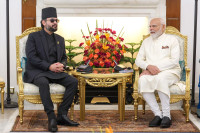
India announced on Monday that Nepal would be granted access to Paradip port in Odisha and Kandla port in Gujarat following delegation-level talks between Prime Minister Balendra Shah and his Indian counterpart Narendra Modi during Shah’s visit to India.
The arrangement is expected to give Nepal more options for its international trade. But traders and industrialists in Birgunj, the country’s main trade gateway, say the practical benefits will depend on how much it costs and how long it takes to move cargo from the new ports to Birgunj. They also want clarity on transit procedures.
The additional ports could help ease congestion and delays at existing gateways, said Hari Gautam, president of the Birgunj Chamber of Commerce and Industry. But Nepal would need to amend its transit treaty and railway service agreement with India before it could use the new routes, he said.
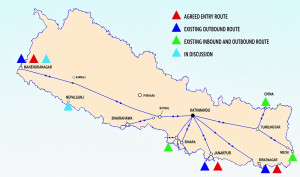
The Nepal-India Transit Treaty, revised in 2023, currently provides for cargo to be transported from Kolkata and Visakhapatnam to Birgunj via Raxaul. Using the additional ports would require clear arrangements on entry and exit points, rail routes, customs checks and transit documentation, Gautam said.
For Birgunj-based businesses, the value of the new access will ultimately depend on transport costs, said Ganesh Lath, a former president of the Madhesh Federation of Industry and Commerce.
“Even if sea freight is cheaper from a particular port, the savings could be limited if rail or road transport from there to Birgunj is more expensive,” Lath said. “The frequency of vessel calls, container availability, cargo-handling charges and the time taken to clear goods at the port will also determine the overall cost of imports.”
Although access to the two ports is a positive development for Nepal’s diplomacy and trade, putting the arrangement into practice remains a challenge, he said. The country would benefit directly only if regular freight train services from Paradip and Kandla to the Sirsiya dry port in Birgunj are arranged, with competitive freight rates and simpler transit procedures.
Both new ports are large, deep-water facilities capable of handling bigger vessels, Lath said. But regardless of which port Nepal uses, access to transhipment services in Singapore would be important, he added. Regular shipping schedules and smooth transhipment operations also affect overall trade costs.
Rajiv Mohan Jha, chief executive officer of Pristine Valley, the company that operates the Sirsiya dry port, said Paradip was relatively closer to Birgunj and had extensive port facilities. He described access to two additional ports alongside those Nepal already uses as encouraging.
Both ports are connected to the railway network, making it possible to transport cargo to the Sirsiya dry port by rail, Jha said. The additional options could also reduce Nepal’s dependence on a small number of ports for its imports, he added.
During Shah’s visit to India, Nepal had proposed access to Dhamra port in Odisha and Mundra port in Gujarat. The two countries had already reached an in-principle understanding on using these ports. India, however, announced access to Paradip and Kandla instead. Dhamra and Mundra are managed by the Adani Group.
The road distance from Birgunj to Paradip is about 1,045 kilometres. The estimated rail distance, via Raxaul and various Indian railway junctions, is around 2,263 kilometres. This is not a regular direct freight service or an approved transit route for Nepal; a specific rail route and operating arrangement would still be required.
Nepal currently uses Kolkata, Haldia and Visakhapatnam ports for its trade with third countries. Cargo from Kolkata and Haldia can be transported by rail through Raxaul to the Sirsiya dry port in Birgunj. The rail link between Birgunj and Raxaul is about six kilometres long. Sirsiya is Nepal’s main dry port with a rail connection.
Birgunj is about 960 kilometres by rail from Kolkata and 1,080 kilometres from Haldia. Although Paradip’s road distance from Birgunj is not substantially different from Kolkata’s, businesses say its competitiveness will depend on the rail route, the availability of freight trains and operating costs.
Paradip has its own rail network, freight-train sidings and infrastructure connecting it to the wider Indian railway system, giving it the capacity to handle large volumes of cargo by rail. However, an agreement and practical arrangements for regular freight train services from Paradip to Birgunj have yet to be established.
Businesses importing goods through the Sirsiya dry port already face delays at Kolkata and Haldia, including waits for vessels, difficulties with container management and customs procedures, as well as congestion at the ports. Visakhapatnam offers another option, but it is about 2,000 kilometres from Birgunj by rail.
Adding more ports to Nepal’s trade network could provide greater flexibility. But the benefits will become tangible only if the new routes reduce freight costs and transit times. Regular rail services from Paradip and Kandla to Birgunj, competitive rates, streamlined customs procedures and reliable transhipment facilities will be essential to delivering savings for Nepali importers and exporters.




 14.12°C Kathmandu