Kathmandu Police spokesperson says security arrangements for this NPL will be stronger and more dependable
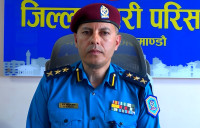
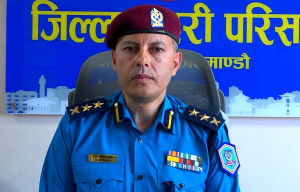
Superintendent of Police Dan Bahadur Thapa explains the security plan, the technology behind it and the police’s fight against illegal betting.SP Dan Bahadur Thapa Post Photo
The third edition of the Nepal Premier League (NPL), organised by the Cricket Association of Nepal (CAN), begins today. Alongside the crowds and the cricket, the police are bracing for less visible threats. Last year, police arrested several Indian nationals on charges of facilitating betting during the tournament, reviving concerns about match-fixing networks targeting Nepali cricket. The problem is hardly new: the inaugural Nepal T20 League in 2023 was dragged into scandal when two cricketers were arrested over match-fixing and spot-fixing, and a later police investigationnamed a dozen suspects.
Against that backdrop, the Kathmandu District Police Range has drawn up a more elaborate security plan than in previous years. In a conversation with Kantipur TV’s Kiran Paudel, the range’s spokesperson Dan Bahadur Thapa explains what spectators, organisers and bettors can expect from the security apparatus.
How prepared are the police for the third season of the NPL?
Security, peace and good order matter for any sports tournament, and this one is no exception. We have learnt from previous editions, and Nepal Police, together with the Kathmandu District Police Range, has held a series of meetings with CAN, the organiser, and with the District Security Committee. On the basis of those discussions, we have prepared and put into effect a security plan that is considerably stronger than in earlier years.
What does that plan look like on the ground?
On any given day, we can deploy up to 1,225 uniformed police personnel, depending on need. That is the maximum figure written into our plan, but we have kept room to mobilise more if the situation demands it. We expect the number of necessary personnel to climb in the opening match and the final few matches. The number of personnel will vary on an on-and-off basis in the matches in between. Personnel will also be deployed to the hotels where the teams are staying. Traffic police will be deployed separately, alongside us. Wherever our office falls short on personnel, we will make up the numbers through our subordinate offices, and all of this is being done under the direction and coordination of the Valley Police Office and Nepal Police Headquarters.
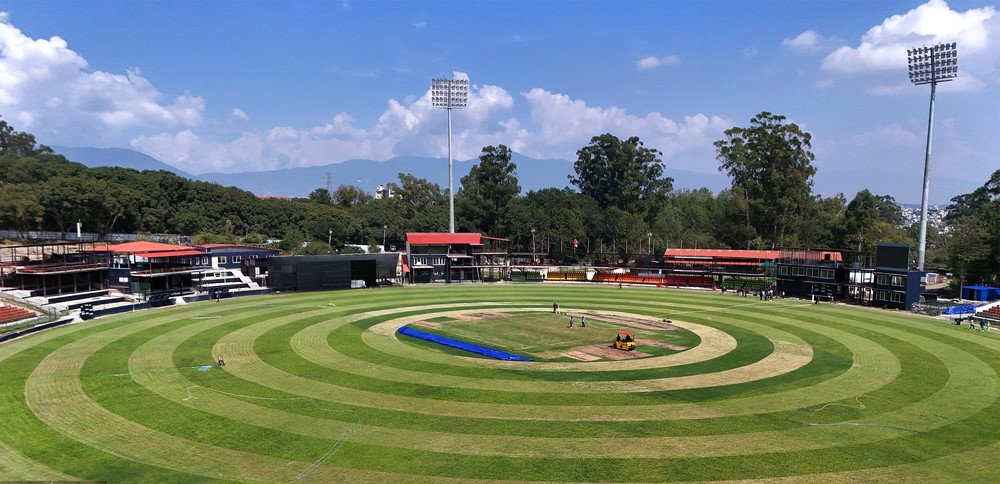
TU Cricket Stadium Post Photo
Is it only uniformed officers, or will there be police in plain clothes as well?
Both. More than 100 officers will be mobilised in plain clothes every day. The idea is to combine the visible presence of officers on duty in uniform with those who blend into the crowd. Between the two, we hope to cover everything from the physical, on-the-ground duties to the quieter work of watching for suspicious behaviour.
You have mentioned dividing the venue and its surroundings into sectors. How does that work?
We have identified 24 sectors, or zones, and we are setting up command posts in each of them. Each sector will handle cordon and search operations, as well as rescue and evacuation, should an emergency arise. Having a command post in every sector means decisions can be made quickly and locally, without waiting for instructions to travel up and down the chain. All of this is in coordination with CAN, which is the organiser, and the other security agencies.
What role will technology play?
A large one. We want to make good use of modern, scientific equipment alongside technology and innovation. CCTV cameras will keep the area under surveillance, and drones will be used wherever required. We will also have security teams with sniffer dogs from the canine unit to carry out searches. None of this replaces police on the ground, but it gives us more eyes and makes it easier to spot problems early.
Fights and quarrels sometimes break out in the stands between rival fans. What is being done to keep them under control?
Security, peace and good order are the foundation, and we must rein in any activity that works against goodwill between the two sides. Rather than singling out one kind of incident, we are preparing for every kind of unlawful activity, and the legal framework is there to bring all of it under control. We will rely on intelligence, investigation and technical intelligence, including open-source intelligence, so that if anything is being coordinated on any platform, we can act in time. For foolproof security, the canine unit will back up the management arrangements.
Last year, some people complained on social media platforms about the behaviour of the private security hired by the CAN. How will the police coordinate with the private security?
The police and the private guards are both serving the public, so how they conduct themselves matters a great deal. While the police personnel receive meticulous training in dealing with the public, the private security are not as trained. They must be well briefed, and not only verbally. Spectators who buy a ticket have a right to decent treatment, and the conduct of private security counts for as much as that of the police. Mistakes have a way of repeating themselves, and the NPL carries international recognition and a connection to the wider sporting world. We cannot afford them.
Betting and spot-fixing have dogged the league in the past. What is different this year?
This time we will draw on human intelligence, on technology and innovation, and on open-source intelligence, all together. Through these channels, we will monitor not only places with a security risk but also the crimes that tend to travel with a tournament like this, whether that is spot-fixing, online betting or related scams. We have made special monitoring arrangements for exactly that purpose. Our aim is to prevent such activities from happening at all, rather than simply catching people afterwards.
How will you monitor social media?
This is not only about sport. There is crime here too: online betting, hate speech that targets caste, religion or region, and the spread of rumours, disinformation and defamation. All of these are criminal activities. We will keep watch, and wherever we identify something, we will investigate and bring those responsible within the reach of the law.
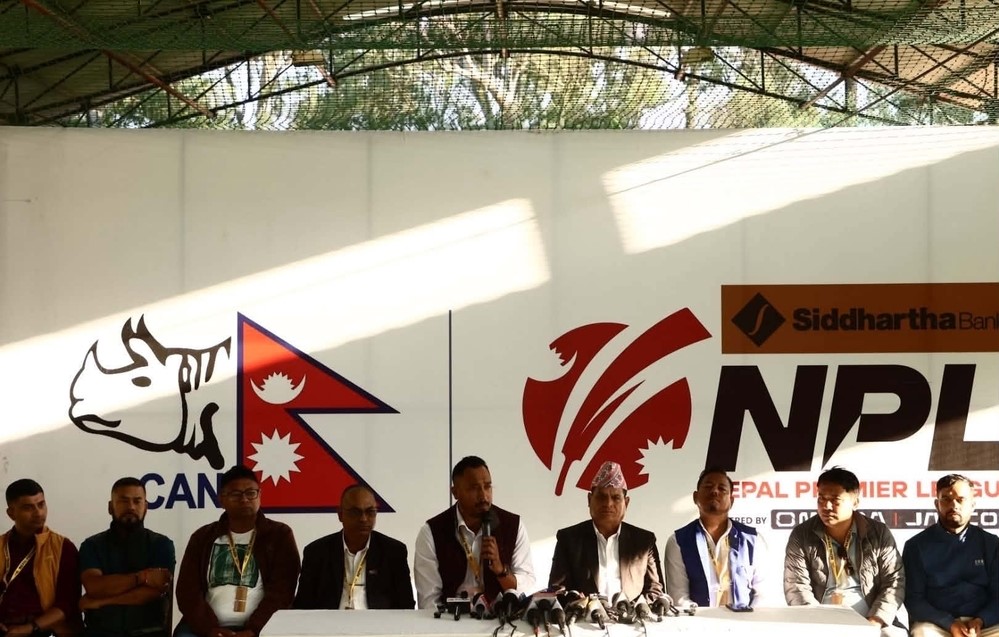
CAN officials at the press conference organised in Kathmandu on Sunday Hemanta Shrestha/TKP
Are there lessons from previous editions that have shaped the plan?
Yes. In earlier years, certain loopholes and weaknesses came to light, and security gaps appeared in places. We have assessed those carefully, along with the challenges we expect this time, and built the plan around them. That is why we are using plain-clothes officers, CCTV, sniffer dogs and drones together instead of relying on any one of them. We want this edition to be better organised and more refined than the ones before it.
What is your message to those who might be tempted to bet?
Online betting and scams are prohibited under Nepali law. They are illegal and are defined as crimes. We are asking everyone not to take part in them and not to encourage others to do so. But policing alone cannot stop this. Preventing illegal activity is a shared commitment and a shared responsibility, and it works best when everyone, from the public to the organisers, plays their part.
What do you expect from spectators and other stakeholders?
We hope the tournament is played in a true spirit of sportsmanship, with goodwill, and that it brings together people from all kinds of backgrounds in a spirit of collective unity. This is not just another competition. It is closely tied to the country’s image, and so all stakeholders have to be equally sensitive and equally alert. We want the NPL to send out a good message, and we ask everyone to stay aware of that.
How confident are you of a secure environment for this year’s NPL?
We have tried to cover every angle, from technology and innovation to the old-fashioned duty of officers standing on the ground in uniform. We are confident that this will make the security arrangements for this NPL stronger and more dependable. What we ask in return is cooperation. If the general public, the social media influencers and especially the media help the police by spreading information about the conduct we expect of the spectators, this edition of the NPL will definitely be the best one to date in terms of security. If the public, the organisers and the players all do their bit, this can be a tournament Nepal is proud of.




 18.81°C Kathmandu