Q&A: The man behind Fapla on why the government should not run stadiums
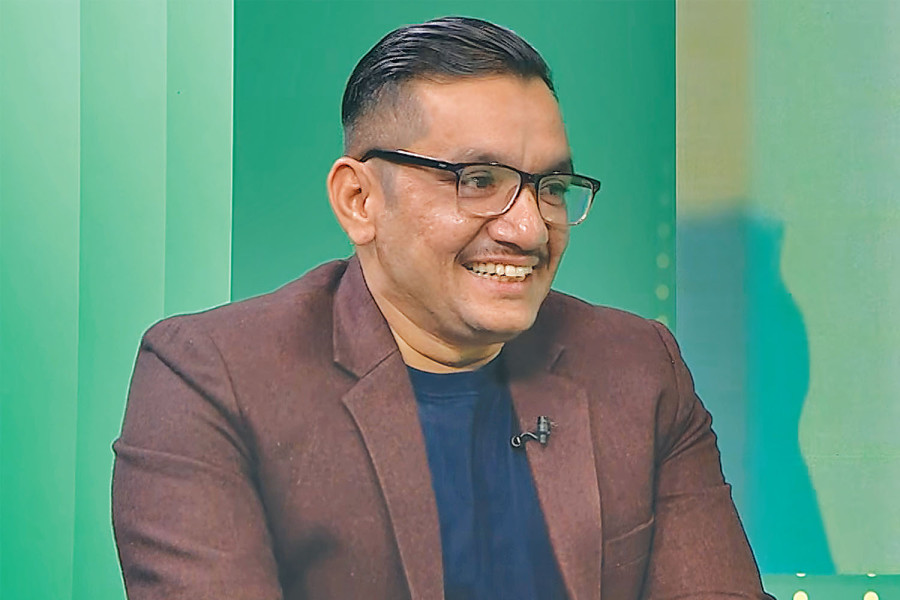
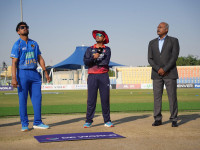
Subhash Shahi, the man behind Dhangadhi’s cricket push, says the groundwork for the stadiums is done and the next three years will decide whether they get built. Photo: Screengrab from Kantipur Tv’s interview
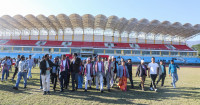
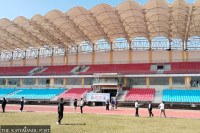
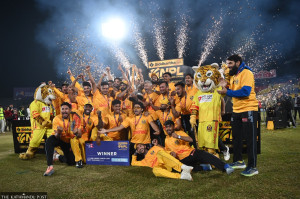
Sudurpaschim Royals lifted their first Nepal Premier League trophy this season, and on the same day the tender for Fapla International Cricket Stadium in Dhangadhi was called. Congratulating the team, Prime Minister Balendra Shah announced that the government would build floodlit stadiums for all eight NPL franchises, so the league can switch to a home-and-away format from its sixth edition.
Nepal now has a franchise league that draws sponsors and crowds, but it plays in a handful of grounds that were never built for it. Government announcements in Nepal also have a long record of outliving their deadlines.
Subhash Shahi, who conceived the Dhangadhi Premier League and the SPA Cup and now heads the Fapla stadium campaign, says this one is different. In an interview with Kantipur Television’s Rupa Khadka, he argued that the slowest part, the paperwork, is already behind them. Excerpts:
You must be delighted. The Royals won, and Fapla moved on the same day.
Very. It is the reward for years of effort. Nothing could be sweeter for the Sudurpaschim and for cricket fans across the country. The Royals now have a fan base outside Nepal too. I was emotional. We waited three seasons for that trophy.
Were you confident going into the final?
Yes. This is a consistent team. They reached the final in both previous editions and have the best winning percentage in the league, but they could not finish under final-day pressure. This time the players struggled through the league stage and playoffs, learned from it and played a mature final. Captain Dipendra Singh Airee led well. Team management and the owners all pulled together.
Did you watch every game?
I watched the early games, before the playoffs and Tihar. After that, I was busy with the Fapla tender. We wanted the process completed during the NPL itself, because that would build momentum. The infrastructure ministry’s department and the Urban Development Office in Dhangadhi worked day and night to get the contract awarded.
Where does Fapla stand against ICC standards?
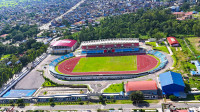
In Nepal, the major work is paperwork, and we have been at it for years. Our biggest win was getting around 65 acres of land for the project in 2022. A development committee was formed, which I led. We completed the detailed project report and environmental impact assessment, got the project into the national project bank and approved it as a multi-year project. The new government wanted it fast, and that helped.
But a gap between announcement and delivery is common.
I think about 90 percent of the major work is done. Many projects never get this far. The contract is awarded, and construction is planned for three years. The first phase builds the ground and a 10,000-capacity parapet and embankment. Once that is ready, matches can start, and we expand capacity in phases. The first phase also includes a multi-year indoor hall. The design meets all ICC requirements.
What about the other seven stadiums? What will they cost?
The government has already set a minimum base of Rs250-310 million per project. Once work starts, facilities get added.
Who runs them?
The government should not. After construction, clubs or the private sector should operate the stadiums under a public-private partnership model. We have designed Fapla’s sports village that way. The master plan reserves space for a hotel, a mall and a hospital, so the complex can sustain itself.
What about producing players?
That needs hard work at the grassroots, in families, schools, and local and ward-level governments. The NPL is getting bigger, so grassroots cricket needs the same attention.
How did you get into this?
I grew up watching senior players in club matches at Hasanpur in Dhangadhi, with plenty of Indian influence. I played later, including alongside Paras Khadka. Passion drove it, along with a belief that sport can serve society and the country.
What role did earlier leagues play in the NPL?
The experiment began in Dhangadhi with the Dhangadhi Cricket League, where we auctioned teams named after neighbourhoods like Hasanpur, Santoshi Tole and Campus Road. When that worked, we took the auction and franchise model to the national level as the Dhangadhi Premier League. The Cricket Association of Nepal (CAN) running the NPL institutionally today is our win too.
What is the goal now?
We started a campaign called Champion 10, which aims to win Nepal a World Cup within ten years. We are preparing proper training and nets for children in all 19 wards of Dhangadhi. Nepal should dream of winning the World Cup, not just playing in it.
Corporate backing has grown.
Yes. Every NPL team now has 20-25 sponsors. That culture is developing slowly. Sport should be treated as a national brand and linked to tourism.
What should CAN and the government do?
Things changed once Paras Khadka joined CAN. Right person, right place. CAN should now bring strong coaching programmes to the district and provincial levels. The government’s job is infrastructure.
I would also like to see cricket diplomacy during the prime minister’s India visit. India is cricket’s powerhouse. In six to eight years, Nepal and India could jointly host a T20 World Cup.




 13.12°C Kathmandu