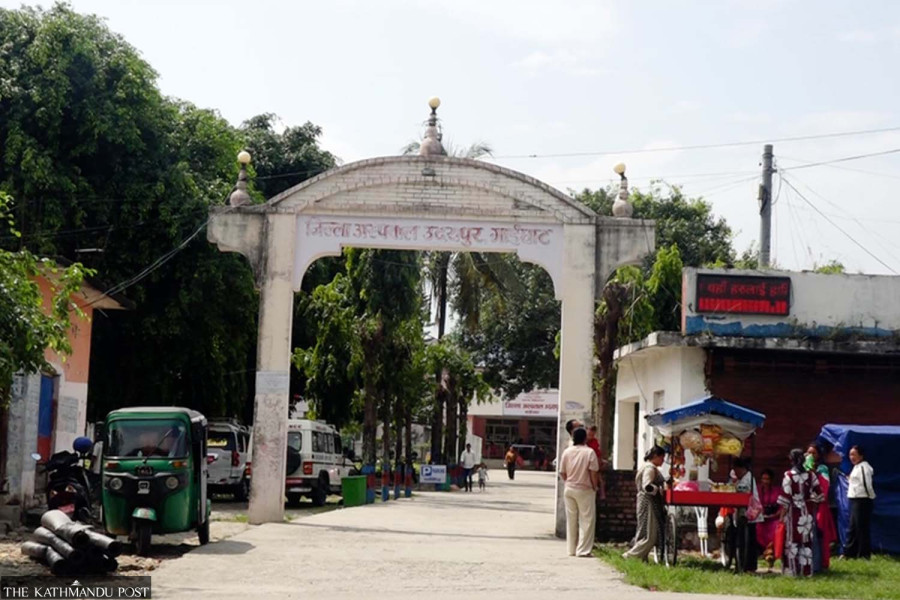
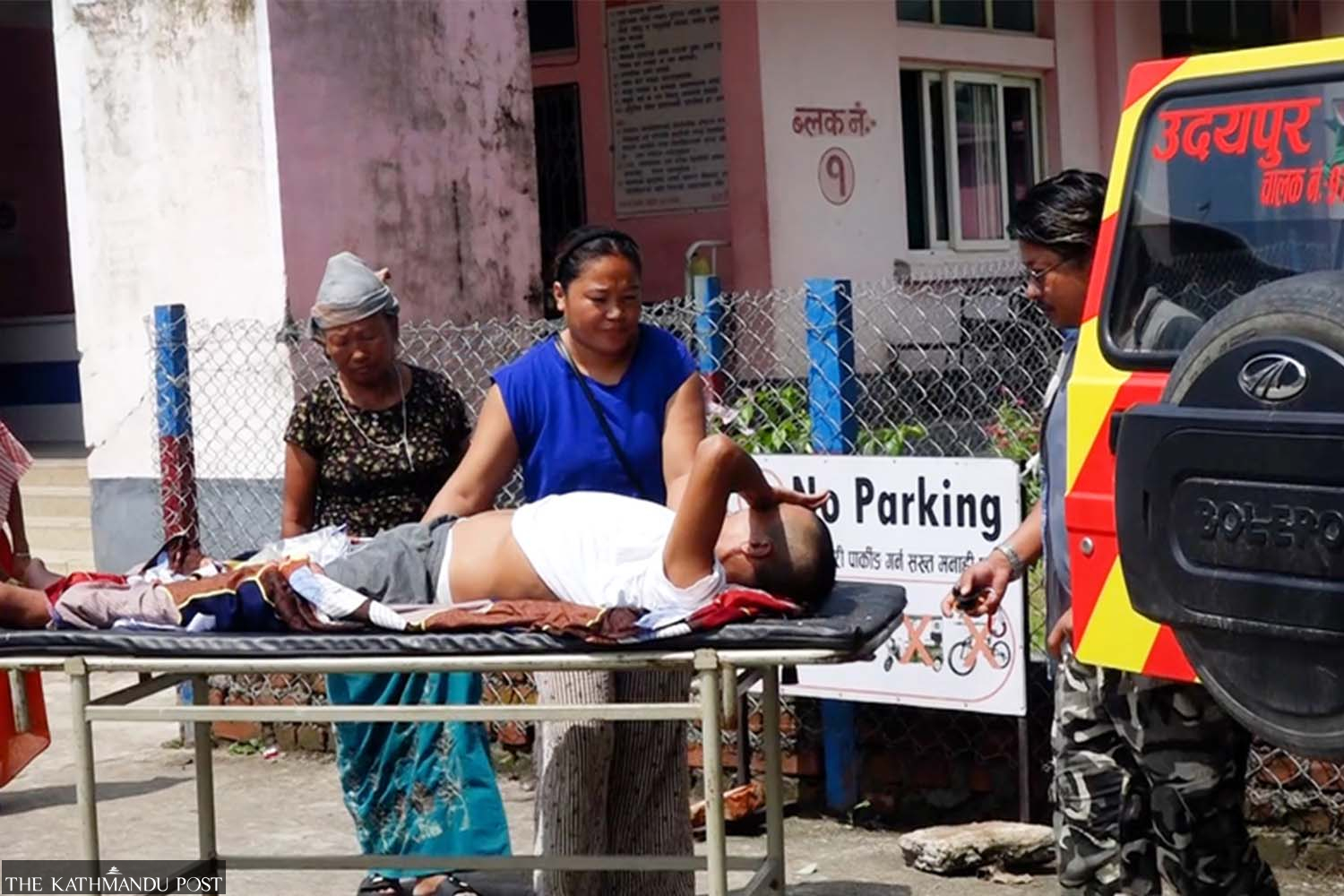
Udayapur Hospital sees 400 to 500 patients a day and remains the main public hospital for much of the district. But unreliable services, absentee staff and unstable management had eroded public trust. After nearly two months under new leadership, the hospital is showing early signs of recovery.
Several suspended services have resumed. Two broken dialysis machines are back in operation. Staff attendance is being monitored more closely; managers now meet before the workday begins, and the hospital is working to improve medicine supplies. It is also preparing to introduce electronic medical records.
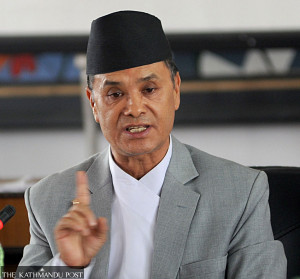
For acting medical superintendent Santosh Rai, the immediate task was to restore services that had stopped and bring greater discipline to a hospital long troubled by internal disputes and interference.
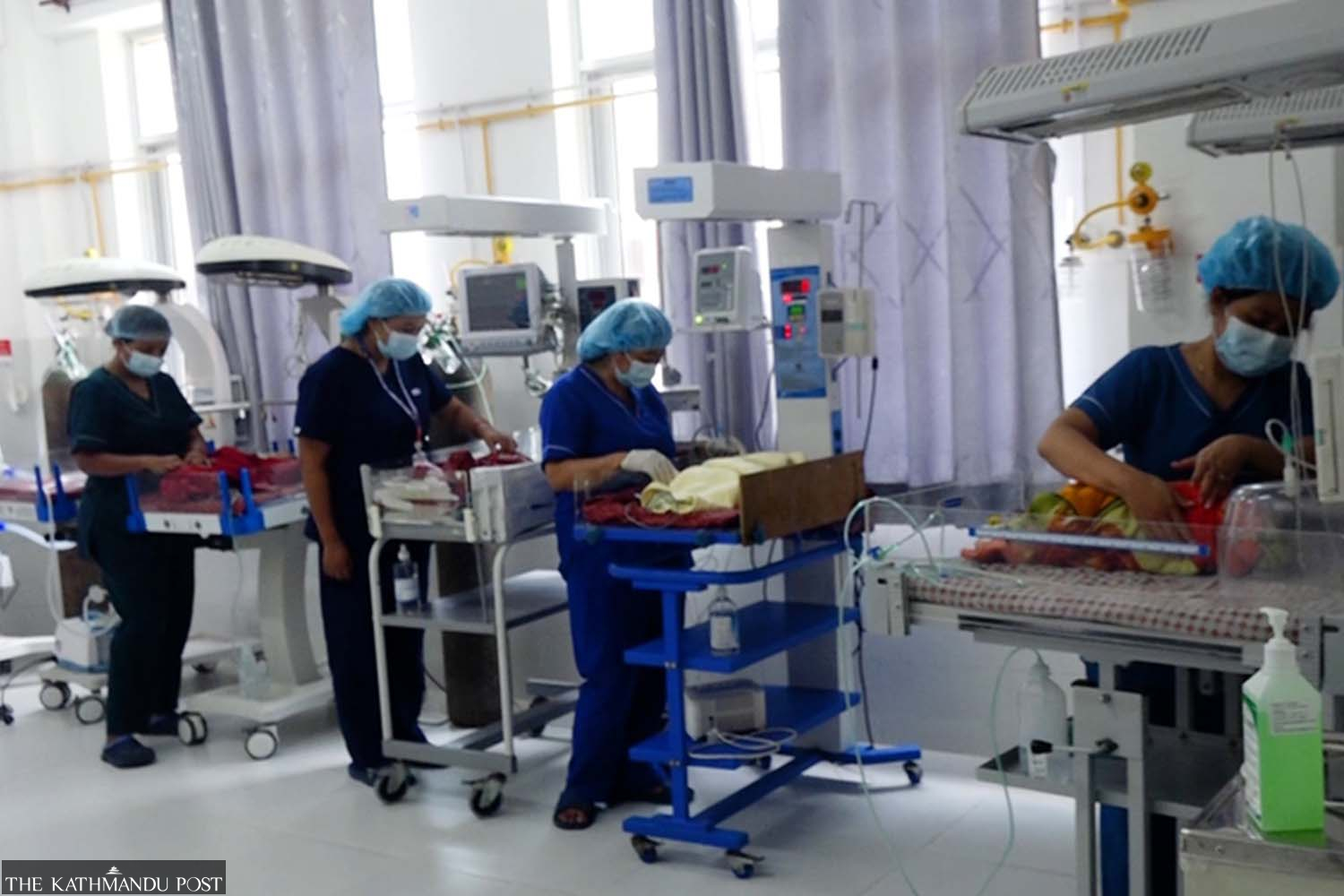
The Special Newborn Care Unit, which had been closed for a prolonged period, is operating again, Rai said. The hospital has also resumed arterial blood gas and culture-based microbiology testing.
The newborn unit treats babies less than 28 days old. Its closure meant critically ill newborns had to be referred elsewhere. Arterial blood gas testing helps doctors assess critically ill patients, while culture tests identify infections in blood and urine.
The dialysis unit had faced a similar setback. Two of its five machines had broken down, restricting treatment. Repairs have restored all five machines, and the hospital plans to increase dialysis from two shifts a day to three.
The hospital has also tightened staff management. Employees now meet for half an hour before the 9am opening to review problems, assign responsibilities and address delays in patient care.
Hospital administration chief Lekhraj Katuwal said staff must arrive on time and complete their shifts. During handovers, outgoing staff cannot leave until replacements take over.
Post Photo
“We hold a meeting and review operations before the office opens,” Katuwal said. “We discuss problems affecting service delivery and try to resolve them immediately.”
Rai said the hospital was also tackling internal disorder. “We are putting patients and the public at the centre of the hospital,” he said. “We are also working to remove disorder and unhealthy interference. We have come here to work. If something obstructs that work, we have to remove the obstruction.”
‘Better than before’
Patients say they have started to notice the changes.
Mishrilal Sada of Triyuga Municipality said the hospital feels better than it did in the past. Sita Basnet said patients previously faced long waits and often struggled to find doctors. She now sees doctors more regularly and finds the services easier to access. Maniram Puri said Rai himself visits patients, asks about their experience and monitors services.
Human rights activist Dilip Rasaili also said he had seen early improvements. “We have seen signs of improvement within the first few days,” Rasaili said. “The team working under the current leadership has created some hope that the hospital can improve.”
Capacity remains a problem
Udayapur Hospital still operates well beyond its designed capacity. The hospital has government approval for 50 beds but currently runs 94. It treats up to 500 outpatients a day.
Staffing remains another major constraint. Of 59 approved permanent positions, only 29 are filled. The hospital employs 156 people in total through the management committee, provincial contracts, scholarship schemes and daily-wage arrangements.
Much of its daily operation therefore depends on temporary staff.
The hospital has 13 specialist doctors but only five medical officers, against a requirement of at least eight. It also needs more nurses, health assistants and other paramedics.
Post Photo
“The number of specialists is almost adequate, but we do not have enough medical officers,” Rai said. “Service delivery would be much easier if we had at least one medical officer for each specialist.”
An anaesthesiology specialist has recently joined the hospital.
The administration is also preparing to introduce electronic medical records, which it says will make it easier to maintain patient histories, retrieve reports and manage services.
It plans to add a third patient registration counter for older people, people with disabilities, pregnant women and other patients who need priority access. Another blood-sample collection centre is also planned, along with changes to the queue system.
The hospital says it is receiving medicines more regularly, but it still needs to complete the tender process for 98 medicines that it must provide free of charge.
The changes, therefore, have not resolved every problem. Patients still need medicines, tests and treatment to be available when they seek care.
Debt adds to the pressure
The hospital receives about Rs140 million to Rs150 million a year from the federal and provincial governments and generates another Rs100 million to Rs120 million from internal sources, according to the administration. It nevertheless carries liabilities of about Rs27.5 million.
Rai said the hospital would try to stop financial leakages and clear its debts. The hospital will also need to make its finances more transparent, particularly over the size and nature of its liabilities and how previous administrations managed its income and spending.
Resistance inside the hospital
Hospital administrators say the reform effort has met resistance. They accuse some groups of trying to force leadership changes, build factions among employees, create disputes and undermine staff who are supporting the reforms.
The administration also says some employees appointed under political pressure have resisted instructions and contributed to factionalism. Those allegations have not been independently verified. Residents, however, say sustained improvement will require stable leadership and believe the management team should be given at least two years to work without disruption.
Plans for a regional referral centre
The Koshi provincial government plans to develop Udayapur Hospital as a referral centre for Udayapur and neighbouring Khotang, Bhojpur, Okhaldhunga, Saptari and Siraha districts. The plan includes intensive care, a neonatal intensive care unit, a burn unit and a geriatric ward.
Rai said the hospital could make substantial progress within two years if the reform effort continues without interference.
For a hospital whose services had become increasingly unreliable, reopening basic units and enforcing workplace discipline are modest steps. But after years of complaints, they are also the first visible signs that Udayapur Hospital may be able to rebuild the public confidence it lost.




 15.7°C Kathmandu