



 15.69°C Kathmandu
Sat, Oct 24, 2026
National
People’s pulse 2026
Sharecast Initiative, in collaboration with The Kathmandu Post, conducted a face-to-face interview survey with 2,905 Nepalis on their perceptions regarding the country’s contemporary social, economic, and political situation.
Post Report
Published at : February 25, 2026
Updated at : February 25, 2026 09:46
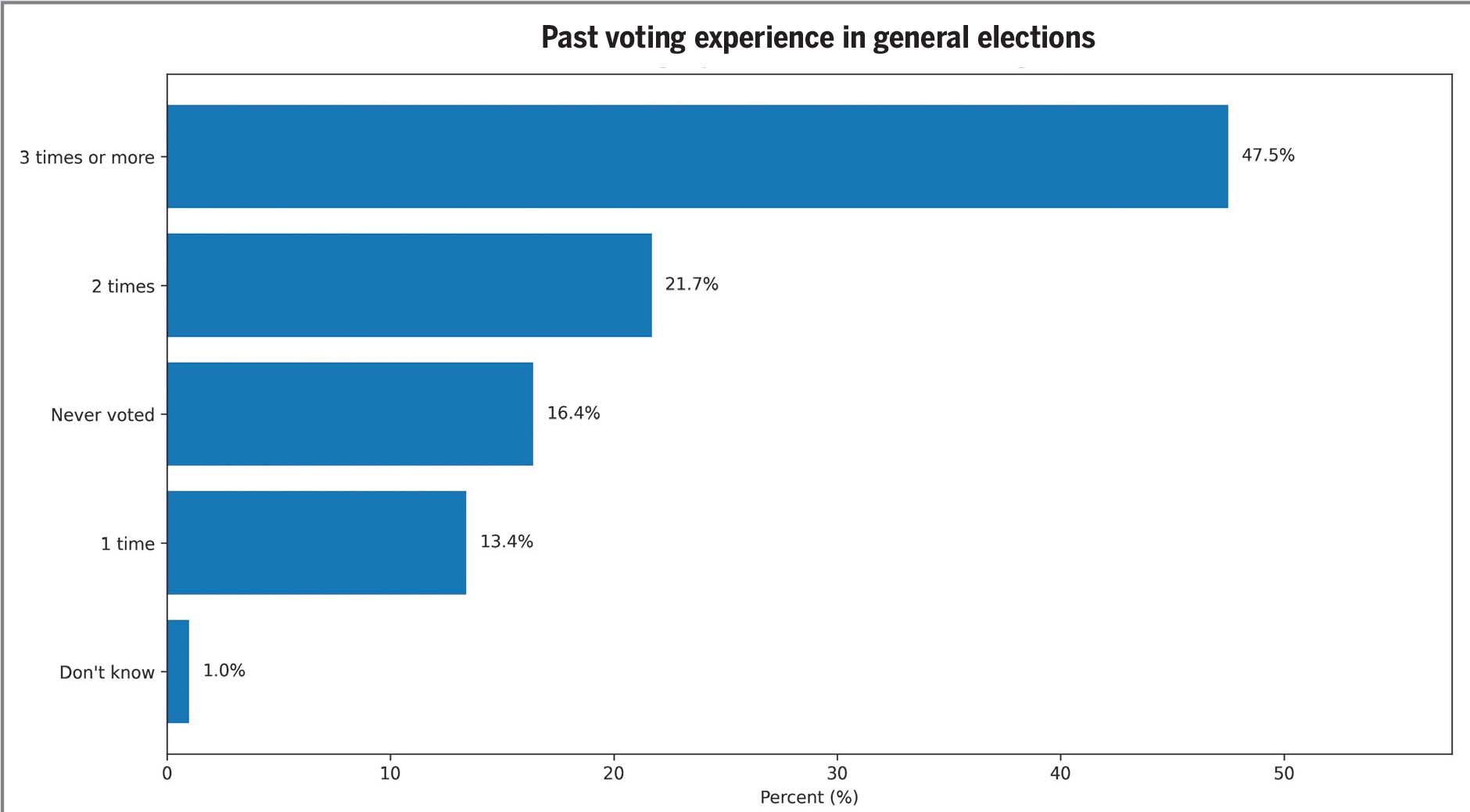
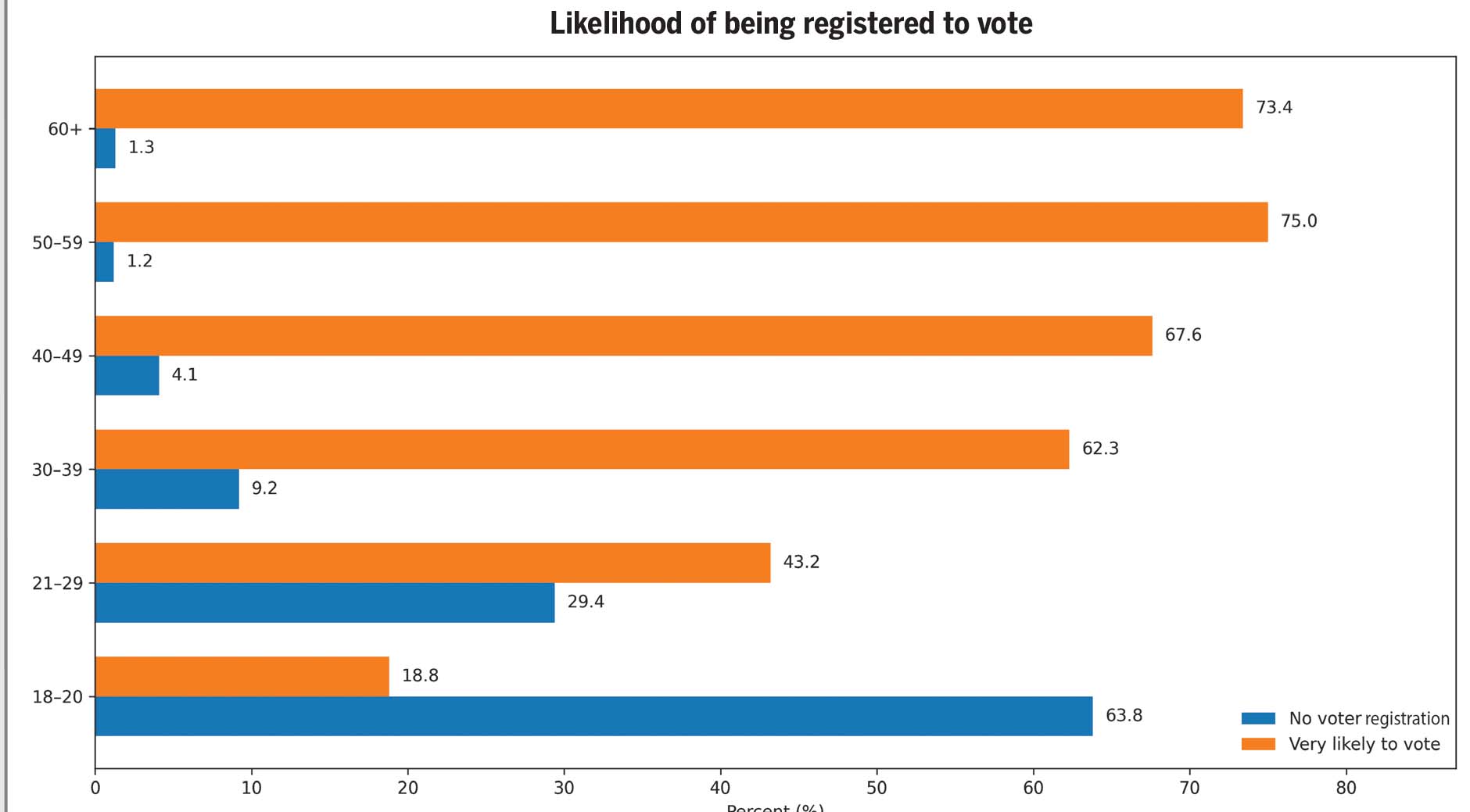
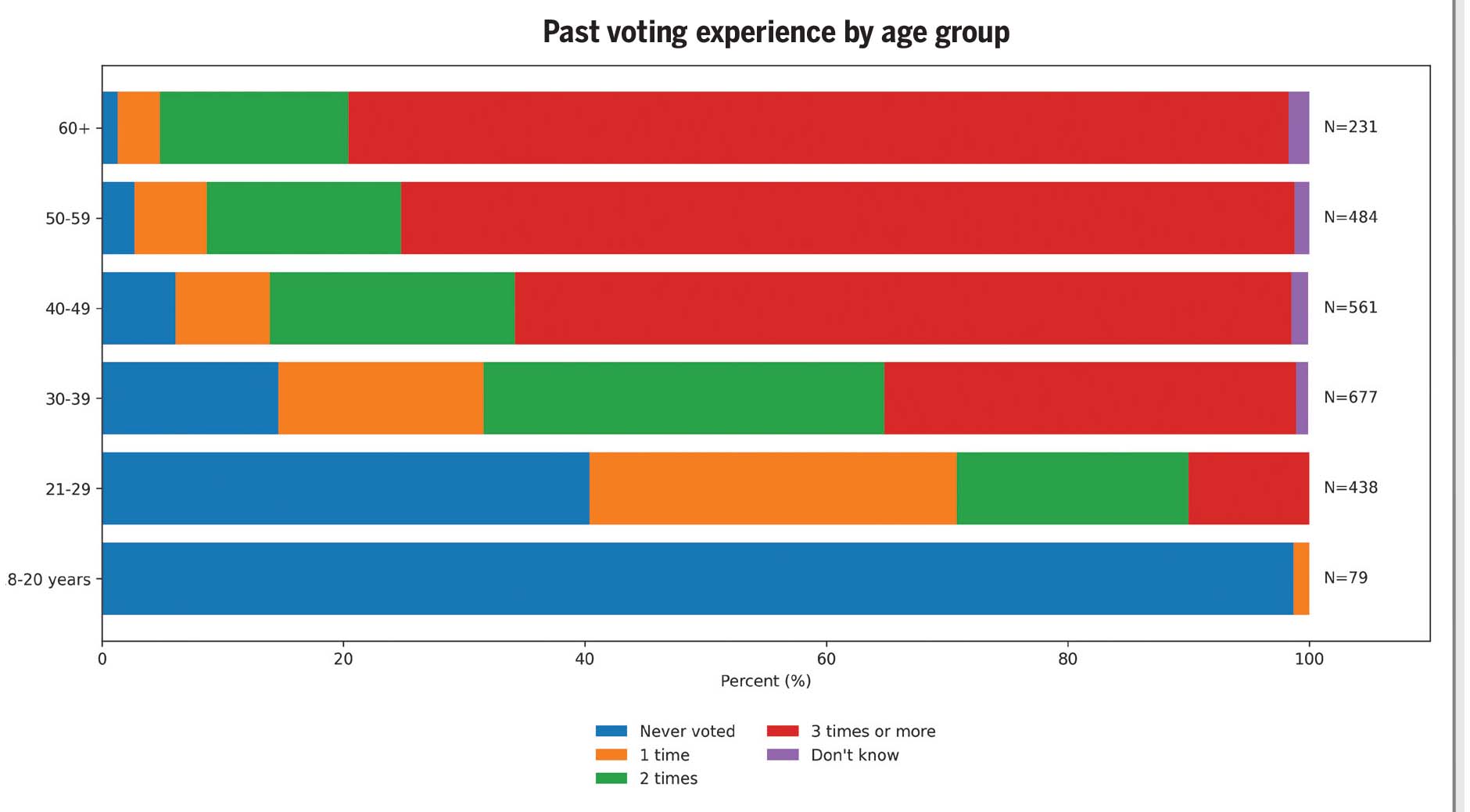
Sharecast Initiative, in collaboration with The Kathmandu Post, conducted a face-to-face interview survey with 2,905 Nepalis on their perceptions regarding the country’s contemporary social, economic, and political situation.
In selecting respondents, the sample was distributed across all seven provinces in proportion to the number of households in each province. People who had been living in the same house for the past six months as members of a family and eating from the same kitchen were counted as one household.
The distribution of households and respondents for interviews is based on the total number of households in rural municipalities, municipalities, and metropolitan cities. Districts and local governments (palikas) were selected using the PPS (Probability Proportion to Size) method.
Through this selection process, 116 wards from 102 local governments in 45 districts were chosen for the study. For household selection, after reaching a selected ward, one intersection (chowk) was randomly selected, and the houses on the right side from that intersection were listed. Ninety households were listed in rural municipalities, 120 households in municipalities, and 150 households in metropolitan cities from the selected settlement area (tol).
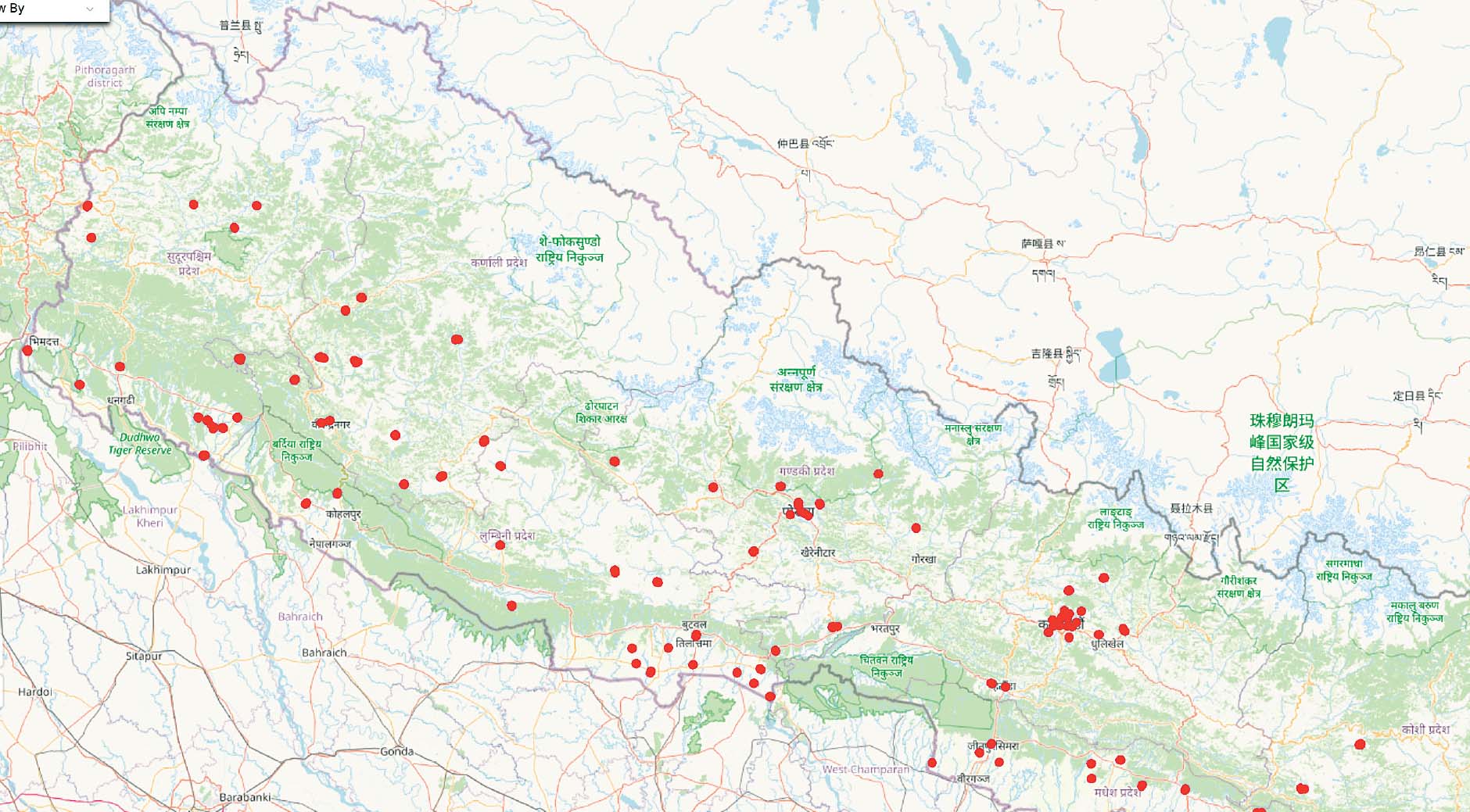
To determine which listed households would be interviewed, the total listed households in the selected ward were divided by 25, and interviews were conducted only in 25 households selected at that interval. For interviews, a list of potential respondents was prepared only from Nepali citizens aged 18 to 70 who are living in the selected household for at least six months and who were able to hear, understand, and respond to the enumerator. The Kish Grid method was used to determine which household member to interview. Interviews were conducted only after obtaining prior consent from the member selected through the Kish Grid method. Interviews were not conducted simply with whichever household member happened to be present at home or with any person encountered on the road. Interviews were conducted only with scientifically selected respondents.
Field interviews were conducted from January 1 to 31, 2026, with 38 enumerators deployed in 19 teams of two members each.
The survey’s margin of error is +/-5 percent. The questionnaire and response entry were administered on mobile/tablet devices using ODK-based software. To ensure data quality, GPS records of each selected household, field observation, field training, and field feedback were carried out. In addition, approximately 15 percent of interviews were back-checked, and each enumerator’s contribution to the total interviews was limited to only 2.6 percent. Sample distribution across provinces and local governments was based on the actual proportions from the 2021 census, and since the gender distribution of the sample was also based on census proportions, these variables are self-weighted. The results are presented based on the percentage of responses given by respondents.
The survey’s limitations
The responses given by respondents during the interview were recorded as their final responses.
Responses may have been influenced by respondents’ social, economic, and political background or affiliations. No controls beyond the supplementary questions included in the survey were used to assess the neutrality of respondents’ answers.
Respondents’ personal, family, social, and economic conditions, and the relationships among these factors, may have influenced responses. The survey does not analyse which questions may have been affected and in what way.
Quantitative research may not always adequately represent people’s social behaviours and qualitative aspects. Additional qualitative studies may be necessary to reach the root causes behind the results. This survey does not include a qualitative component.
Since the survey was conducted under normal conditions during the months of Poush and Magh, it does not project results that may arise under unusual or different social or political circumstances.
The survey treats the responses of 2,905 respondents living in 116 wards of 102 local governments across 45 districts as representative responses.
This dataset does not represent Nepalis under the age of 18, above the age of 70, or those living abroad.
Related News


×