Momo, mon amour: A Nepali bill of fare — and affair
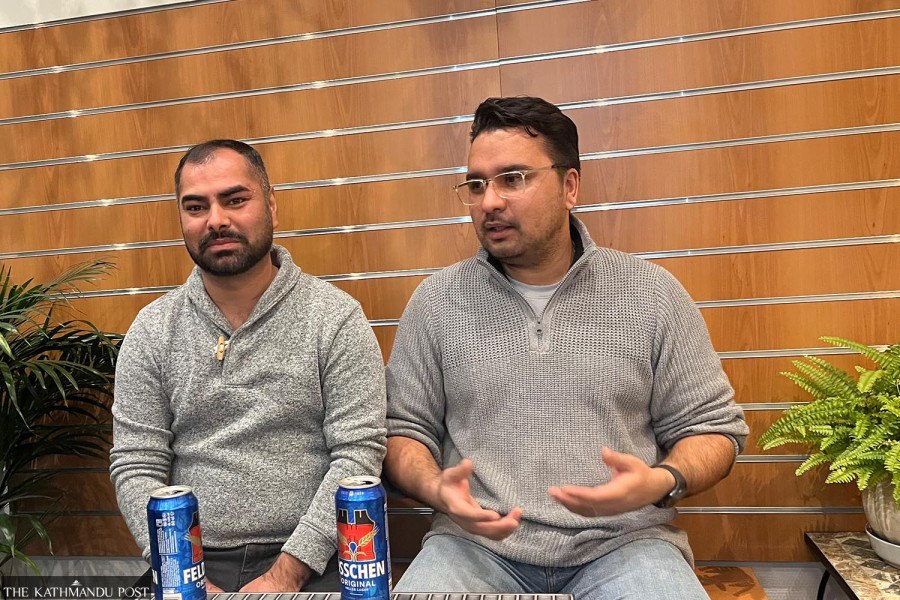
Behind a menu of Nepali favourites is the story of two men who found love, overcame distance and built a life together in Switzerland. Abhishek Pathak(left) and Shakti Karki at Bunsnspice-Momo & More, Geneva. Krishana Prasain/TKP
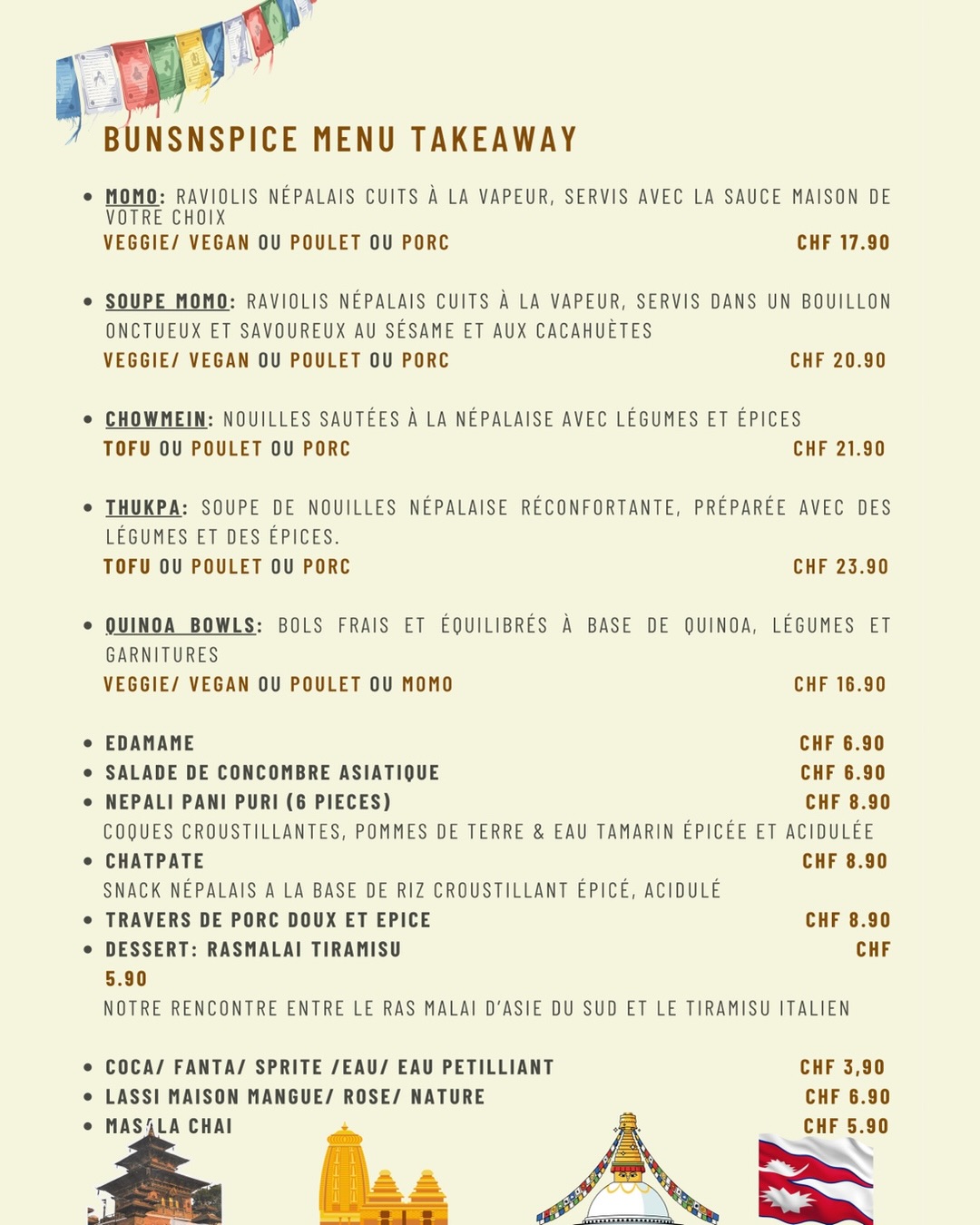
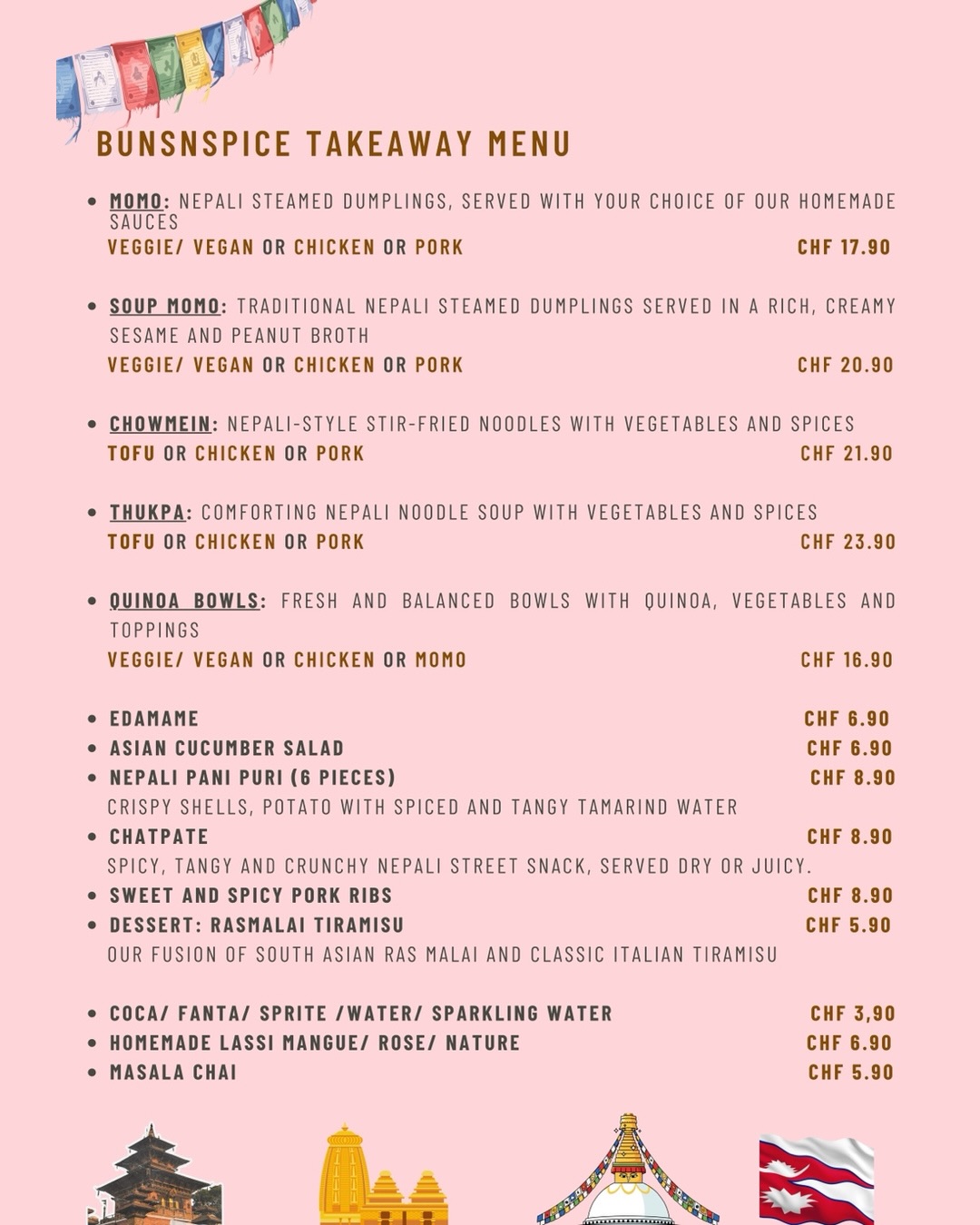
Chatpate, vegetable momo, chicken momo, pork momo, chowmein, and the like. Nothing unusual about the ubiquitous items on the bill of fare in any restaurant in and around Kathmandu.
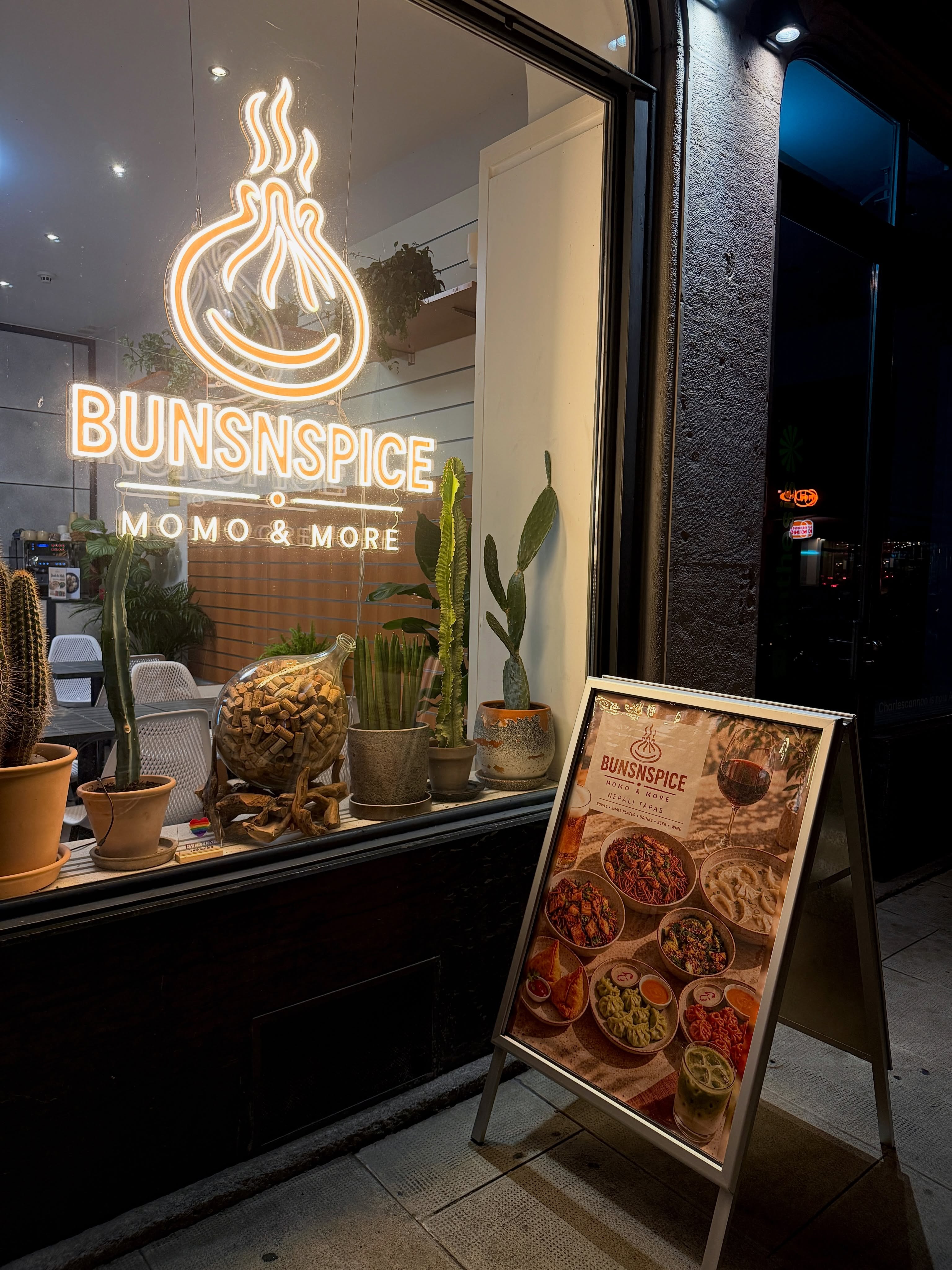
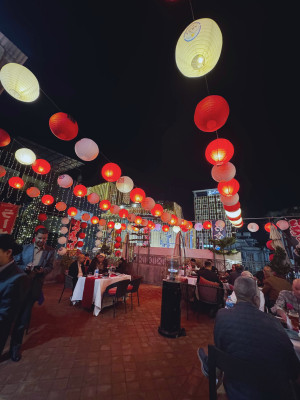
But wait. There’s something unusual. It’s not Kathmandu, but Geneva — at Bunsnpice - Momo & More, a cosy eatery located near Lake Geneva, the Jet d'Eau and Plage des Eaux-Vives.
On the door is a little message, accompanied by a rainbow flag, which reads: “Everyone is Welcome Here.” And to welcome everyone, Shakti Karki and Abhishek Pathak are there.
Photo: Bunsnpice - Momo & More/Instagram
Karki, 37, from Biratnagar, and Pathak, 31, from Birtamod, are a couple who have been running the establishment for the last four months in the Swiss city.
But behind the familiar menu is a story of love, courage and starting afresh in a foreign land.
Karki went to Switzerland to study in 2008. After finishing his studies, he joined a company as an intern, received a job offer and started working there. He returned to Nepal during the Covid-19 pandemic in 2020, when he met Pathak on Tinder, a dating app.
Karki returned to Geneva after four months, but he remained in touch with Pathak.
“The long-distance relationship was difficult,” Karki said. “We wanted to be together, so we decided to get married.”
But it was easier said than done. When they asked around, their friends told them there could be considerable complications despite Nepal’s legal recognition of same-sex marriage. Another problem was that Pathak did not have a visa.
Karki thought he would rather return to Nepal. And he did come to Nepal in October 2024. He wanted to be with his family — and his partner, who came to pick him up at the airport.
But no sooner had Karki landed in Nepal than Pathak’s visa arrived. The plan changed.
“We were booking the return tickets for both of us as soon as I landed back,” Karki chuckled.
The couple eventually registered their marriage in Geneva.
Karki had always loved cooking, but he wanted to turn his hobby into something productive. He found a partner who equally loved experimenting in the kitchen.
“We started the restaurant, then he took over and expanded it,” said Karki of his partner.
It all started with momo.
“We usually used to make momo on weekends and sell them throughout the week,” said Pathak. “Shakti helped me in the evening after he returned from his office. I am the cook, the server and the delivery man.”
Karki said the restaurant was Pathak’s idea.
“Because, like him, I too love food, cooking and trying new dishes. Then I found the financer,” said Pathak, flirtatiously looking at Karki.
Photo: Bunsnpice - Momo & More/ Instagram
What began as making momo at home and delivering them around the city gradually grew into a restaurant.
For Pathak, opening a restaurant was not just about cooking. When he arrived in Geneva, he first focused on learning French. He also started working in an Indian restaurant as a trainee, where he gained practical experience and learned the skills needed to run an establishment of his own.
As the conversation moved beyond food and their restaurant, they were happy to share how their relationship blossomed. After their first date in Bhedetar, Dharan, they gradually became part of each other’s lives, visiting one another’s homes.
Pathak would introduce Karki to his family as a friend. His mother liked Karki, although she did not know about their relationship.
“When I told my mother about our plans to marry and move to Geneva, I was not quite sure about the response,” he said. “But to my surprise, she said ‘okay’.”
Pathak said his mother told him that she knew about LGBTQ+ people and that, as a parent, she did not want to complicate her children’s lives.
She later informed Pathak’s father about the relationship, and the family eventually accepted their decision.
For Karki, coming out to his family was a more difficult process.
He had kept his feelings to himself for a long time. But the pressure of hiding his identity, coupled with expectations of getting married, eventually became suffocating.
“So one day I told my mom about myself,” he said. “She cried at first after hearing about me but was supportive later.”
Karki’s mother later shared the news with other family members and relatives. When the couple returned to Nepal to attend a relative’s wedding, they were surprised by the support they received.
“This time I actually felt happy being myself,” Karki said.
Despite Nepal’s legal recognition of same-sex marriage, the couple said they encountered awkward and embarrassing moments during the marriage registration process in Nepal.
“If you want to get married, the form has only Mr. and Ms. options,” said Pathak.
The experience made them realise that legal recognition alone was not enough. Administrative procedures and the attitudes of officials also needed to change. They felt that officials were still taken aback when they encountered same-sex couples seeking to register their marriages.
Having built a life together in Geneva, Pathak is now keen to explore more of Europe and does not see himself returning to Nepal for at least another decade.
“I want to expand,” he said. “I want to open more restaurants in Geneva, maybe in the future. I want to adopt children from Nepal, if possible. We want to raise them here and then maybe, in retirement, I can go back to Nepal.”
Photo: Bunsnpice - Momo & More/ Instagram
Karki plans to be part of those dreams.
“Abhishek still needs to experience life here and travel a bit, as he has just started life here,” he said. “I’ll join him for the restaurant in a few months, and then we’ll see where life goes.”
But establishing a restaurant in Geneva has not been easy.
The couple said opening an eatery involves several procedures, from completing hygiene courses and finding a suitable location to obtaining permission for even small details, including putting up a signboard outside.
“We are still in the process of getting permission for so many things,” Pathak said. “We had permission for takeaway in the beginning, and later we wanted to have a sitting restaurant. For that, you need to hire someone who has completed a more advanced hygiene course.”
The requirements and costs also vary depending on the type of establishment. Running a dine-in restaurant involves higher taxes and additional responsibilities. Businesses must submit detailed plans covering the layout of the premises, seating capacity, security arrangements and emergency evacuation procedures.
The couple now have a small kitchen and a dining area. They have also hired a local person to help them run the establishment.
Despite the challenges, they are determined to establish BunsNSpice as a place where people can discover, taste and enjoy Nepali food.
Interestingly, they said, customers from other backgrounds are often more enthusiastic about trying their food than Nepalis living in Geneva, who are already familiar with the flavours.
“For us, our focus clients are not Nepalis,” Pathak said. “Demand-wise, we can’t really say there is a demand for Nepali food because people don’t know the food. But when people try our food and come back, we are trying to create an environment here.”
The couple opened BunsNSpice using their savings. The restaurant also offers takeaway through Uber Eats.
Momo, chowmein and thukpa are among its most popular items. They are now planning to expand the menu with Nepali tapas, including bhutan and sekuwa.
Listening to the couple’s story, it becomes clear that BunsNSpice - Momo and More is about much more than food. It is about two people who found each other, chose to build a life together and turned their shared passion into a livelihood in a city far from home.
And perhaps the little message at the entrance — “Everyone is Welcome Here” — says it all.
Krishana Prasain is a business reporter for The Kathmandu Post covering markets. Before joining The Kathmandu Post in 2018, she spent 3 years in New Business Age magazine covering business.




 21.43°C Kathmandu