What we know about suspected pneumonic plague case in Siberia
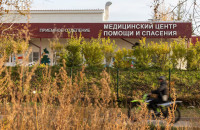
Experts warn that due to frequent movement of people to and from Nepal, the country is at high risk of any outbreak spreading from any corner of the world. A view of the Medical Assistance and Rescue Centre, an infectious diseases hospital, in the town of Shelekhov in the Irkutsk region, Russia, October 5, 2026. Reuters
On Friday, a 28-year-old lab technician died in Russia’s Irkutsk region in eastern Siberia after developing severe pneumonia, amid reports that she may have been exposed to plague. Nearly 200 people who had contact with her were subsequently placed under medical observation or isolation.
The woman was an employee at the anti-plague research institute in Irkutsk, and all those employees placed under medical observation were serving at the same institute. Russia’s public health watchdog Rospotrebnadzor, said on Sunday that the deceased had been infected with “pneumonia of unknown aetiology” and that the sanitary and epidemiological situation in the Irkutsk region remains stable. It is reported that none of the contacts has shown any changes in their health related to infectious pathology.
The severity of the outbreak remains unknown, but reports of a possible pneumonic plague outbreak have raised global concern.
The woman reportedly suffered from severe pneumonia, was placed on a ventilator, and succumbed to the infection several days later.
Here is all you need to know about pneumonic plague
What is it?
Pneumonic plague, or lung-based plague, is the most virulent form of plague caused by the bacterium Yersinia Pestis, a zoonotic bacterium found in small mammals and their fleas. As plague is a zoonotic disease, it can spread from animals to humans. It can also be transmitted directly from one person to another through respiratory droplets from an infected person. Infected people often develop symptoms within 24 hours to seven days, according to the World Health Organisation.
Unlike bubonic plague, which affects lymph nodes, pneumonic plague affects the lungs and causes breathing difficulties.
How serious is it?
It is a potentially life-threatening infectious disease that mainly affects the lungs. The UN health body said the plague is very severe when the bacteria spreads through the bloodstream or infects the lungs. The disease has a case fatality ratio of 30 to 100 percent if left untreated. The pneumonic and septicaemic (causing blood poisoning) forms are invariably fatal unless treated early.
Experts say pneumonic plague is highly contagious and triggers severe epidemics, and health experts, especially virologists and infectious disease experts, have expressed concern about the risk.
Historically, plague has caused widespread pandemics with high mortality. The disease was known as the “Black Death” during the 14th century, causing more than 50 million deaths in Europe. The plague triggered multiple global pandemics over centuries before the discovery of antibiotics.
Is Nepal vulnerable to pneumonic plague?
Though the risk of immediate spread of pneumonic plague in Nepal appears low, experts say complacency among concerned authorities could prove costly. As people from all over the world can enter the country and Nepal’s disease surveillance system is very poor, any disease outbreak in any corner of the world can come to Nepal. Thousands of people enter and exit the country every day.
“We used to say that we are not at risk of monkeypox or mpox, but the disease entered the country [in 2023],” said Dr Sher Bahadur Pun, chief of Clinical Research Unit at Sukraraj Tropical and Infectious Disease Hospital. “Some people also thought that Nepali people have better immunity against coronavirus, but what the disease did, we all know.”
What do Health Ministry officials say?
Officials at the Epidemiology and Disease Control Division said they discussed pneumonic plague and its risk factors at Tuesday’s meeting.
“The World Health Organisation has not said anything about the risk, and neither has the Russian disease control body said anything,” said an official at the division. “We have been closely monitoring the developments and will take precautions accordingly, but as of now we are not alerted by the UN health agency and any other relevant authority.”
Officials said the health desk at Tribhuvan International Airport is active round the clock to screen suspected cases.
Symptoms of pneumonic plague
-High fever and chills
-Persistent cough, difficulty breathing
-Chest pain, headache and body ache
-Extreme weakness
The UN health body said that symptoms can develop within 24 hours of infection and anyone having breathing difficulties with fever and persistent cough after exposure must seek immediate care.
Treatment
The WHO does not recommend vaccination against the disease for the general public.
According to the UN body, if left untreated, pneumonic plague can be rapidly fatal, so early diagnosis and treatment are essential for survival and reduction of complications. Antibiotics and supportive therapy are effective against plague if patients are diagnosed in time. Common antibiotics can effectively cure the disease if used early after infection.
Preventive measures include informing people when zoonotic plague is present in the environment and advising them to take precautions against flea bites and not to handle animal carcasses.
Arjun Poudel is a health reporter for The Kathmandu Post. Before joining the Post, he worked for Sagarmatha Television, Naya Patrika, Republica and The Himalayan Times.




 18.61°C Kathmandu