Nepal stands out in South Asia for reducing teen pregnancy
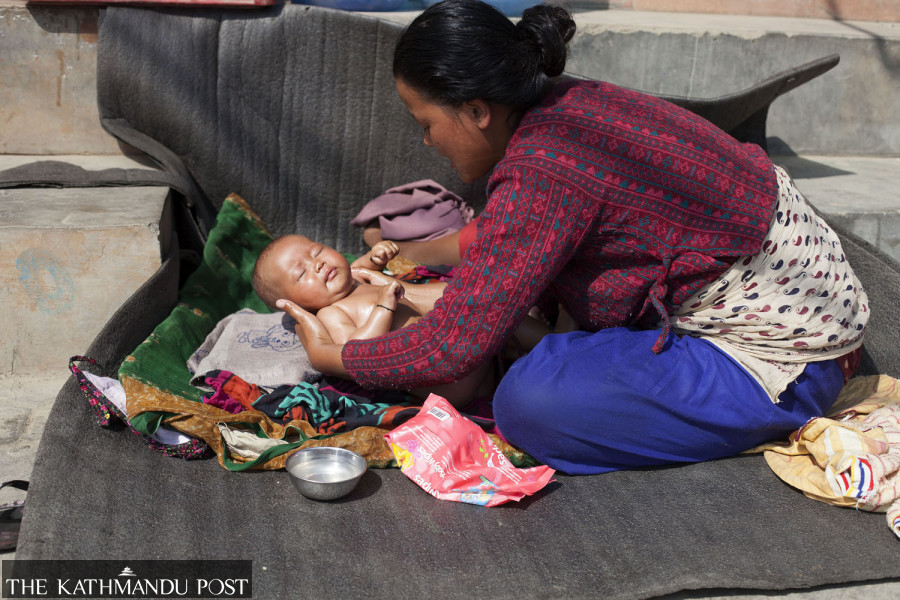
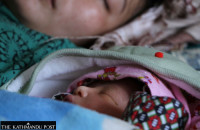
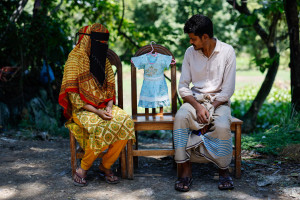
New study says Nepal reduced adolescent pregnancy and childbirth by 35 percent over the past two decades and outpaced many low- and lower middle income countries, including India. Post File Photo
Nepal has reduced adolescent pregnancy and childbirth rates by 35 percent within two decades, outperforming many countries with similar socio-economic conditions, including India, a new report shows.
The report, titled “Improvements in Adolescent Sexual and Reproductive Health and Rights in Nepal”, by the Centre for Research on Environment Health and Population Activities (CREHPA), the African Institute for Policy Development (AFIDEP) and the Exemplars in Global Health (EGH), shows that adolescent fertility rate has declined to 71 births per 1,000 women aged 15-19 years in 2022, from 110 births per 1,000 in 2001.
Likewise, adolescent pregnancy fell from 56 percent to 14 percent over the same period.
“Nepal witnessed a decade-long armed conflict, prolonged political instability, a devastating earthquake and the Covid pandemic, among other challenges, during this period,” said Dr Mahesh Puri, the study's lead researcher. “Despite these challenges, Nepal made remarkable progress in reducing adolescent pregnancy and childbirth.”
The study is part of the Exemplars in Adolescent Sexual and Reproductive Health and Rights multi-country study, which includes Cameroon, Ghana, Rwanda, Malawi, India, and Nepal, and aims to identify positive outlier low- and lower-middle-income countries that have made exceptional progress in improving adolescent sexual and reproductive health and rights.
“Nepal has been identified as one such positive outlier in South Asia,” the report stated. “Positive outlier countries are those whose progress across a range of global health issues has surpassed that of other countries with comparable characteristics.”
The study found wide disparities by wealth, education, religion, geography, and ethnicity. According to the study, in Nepal, adolescent pregnancy among girls from the wealthiest families was lowest compared to the girls from poor family backgrounds.
Likewise, girls with no formal education or only primary education were more likely to become pregnant during adolescence than those with secondary or higher education.
Similarly, adolescent pregnancy rates were higher among girls from Dalitand Muslim communities than among Brahmingirls. Among Muslims, the rate remained unchanged at 23 percent between 2016 and 2022. This is the highest among religious groups, the study found.
Madhesh and Karnali provinces recorded the highest adolescent pregnancy rates between 2006 and 2022, indicating that progress is not equal across provinces despite overall national progress.
Despite the remarkable decline in adolescent pregnancy and childbirth rates, unintended births increased from 25 percent in 2001 to 31 percent in 2022.
The highest proportion of unintended births, around 40 percent, was reported among adolescents from the wealthiest families, according to the report.
Likewise, urban adolescents reported a slightly higher proportion of unintended births than their rural counterparts—32 percent compared to 28 percent.
Among the provinces, Gandaki recorded the highest proportion of unintended births at 37 percent, compared with 22 percent in Madhesh.
The United Nations Population Fund (UNFPA)’s 2022 report “Seeing the Unseen” found that nearly half of all pregnancies in Nepal are unintended and close to two-thirds end in abortion.
“Unintended pregnancy is a reality for millions each year, accounting for nearly half of all pregnancies,” reads the UNFPA’s report. “Sixty percent of these unintended pregnancies will end in abortion.”
The UN agency’s report stated that the cost of these pregnancies have long remained largely unseen.
Researchers attributed Nepal’s progress to four major factors: legal and policy reforms supporting adolescent health rights; expansion of adolescent-friendly health services, including family planning and safe abortion services; increased investment in girls’ education and empowerment; and collaboration between the government, development partners, civil society organisations and communities.
“Our study shows that with sustained investment in health education and adoption of rights-based policies, countries can achieve remarkable progress in sexual and reproductive health despite major hurdles and challenges,” said Puri.
Arjun Poudel is a health reporter for The Kathmandu Post. Before joining the Post, he worked for Sagarmatha Television, Naya Patrika, Republica and The Himalayan Times.




 19.72°C Kathmandu