Nationwide micronutrients survey to be carried out next month
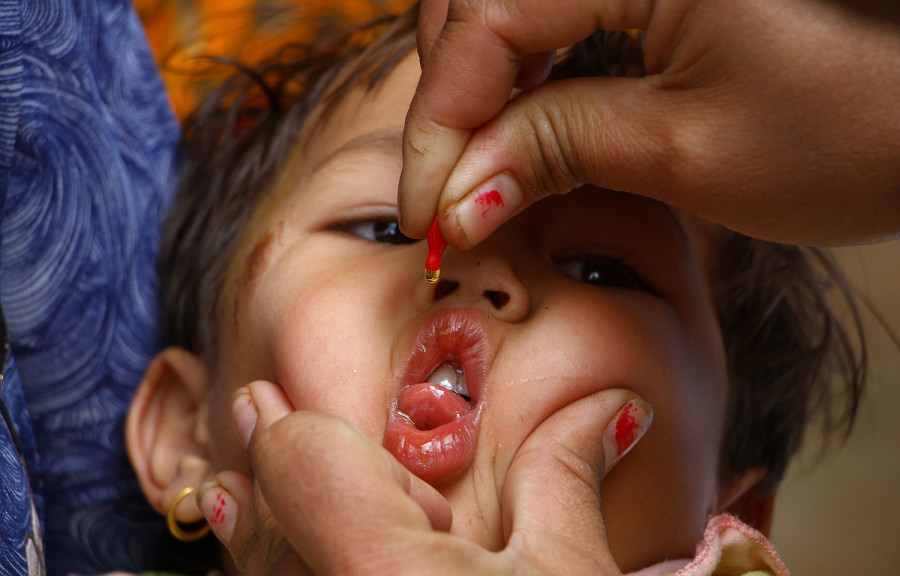
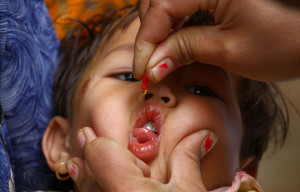
Officials had planned to postpone the regular vitamin A supplementation and deworming campaign until March next year so they could know the actual prevalence of vitamin A deficiency if the supplement is not given before the study. Post file photo
In a bid to assess the status of vitamin A, iron, folic acid, and iodine, and anaemia among the general population, a nationwide micronutrients survey has been planned to be conducted in December.
Health officials say the crucial study will start six weeks after the vitamin A supplementation and deworming campaign, all set to start on November 3 and 4.
Earlier, officials had planned to postpone the regular vitamin A supplementation and deworming campaign until March next year so they could know the actual prevalence of vitamin A deficiency if supplementation is not given before the study.
“A meeting of expert groups including those from the World Health Organisation, the United Nations Children’s Fund and others advised us not to postpone the regular supplementation programme,” said Lila Bikaram Thapa, chief of the Nutrition Section at the Family Welfare Division of the Department of Health Services. “They told us that the study can be carried out after six weeks of the supplementation.”
The nutritional condition of the children should not be compromised for the study, Thapa said.
The nationwide micronutrient survey is generally carried out every 10 years.
Previously, the study was performed in 2016 with financial assistance from the US government. It examined the condition of drinking water, sanitation, child feeding practices, dietary diversity, vitamin A supplementation and deworming, iron supplementation, vitamin A and deworming among women, blood disorder status, nutrition status of adolescent girls, anaemia, iron deficiency, zinc deficiency, salt consumption and iodine level in the population.
This time, the study was planned to start in May-June but was suspended indefinitely after the Donald Trump administration froze all US assistance worldwide.
Officials say that, at the initiative of the US Embassy in Nepal, Washington decided to provide $3.5 million to the United Nations International Children’s Fund to carry out the study. The Centres for Disease Control and Prevention of the United States will provide technical help for the survey.
“This study is highly important to us, as a lot of things regarding the nutrition status of the general population will be looked into,” said Thapa. “The report after this study will help reshape Nepal’s national nutrition policy.”
Health officials say the government could revise the existing nutrition policy, including continuing the blanket vitamin A supplementation programme, readjusting salt iodisation, targeted micronutrient powder distribution, and dietary diversification, among others.
They will also decide whether to lower the iodine content in salt after the micronutrient status survey report comes in.
Iodine is a mineral found naturally in seafood and plants that grow in areas near the sea. In places where iodine is naturally rare, it must be artificially introduced into the diet through fortified foods.
The Salt Trading Corporation, the agency responsible for importing and distributing salt in Nepal, fortifies iodine at 50 ppm (parts per million) per kilogram of salt, which is higher than the recommended dosage. The World Health Organisation recommends an iodine concentration of 15 to 40 ppm per kg.
Only 40 ppm of iodine per kilogramme of salt is fortified for India, as it is assumed that the Indian population does not need as much iodine as the Nepali people, since they also get iodine content from foods produced near the ocean.
Health experts in Nepal have blamed the excessive amounts of iodine content in salt for the rise in non-communicable diseases, including hypothyroidism.
Several studies—including the2016 Nepal National Micronutrient Status Survey, jointly conducted by the World Health Organization, UNICEF, the US-based Centres for Disease Control and Prevention, and the Ministry of Health and Population—have found that Nepalis consume excessive amounts of iodine. Excessive iodine intake can disrupt thyroid function and, in some people, lead to hyperthyroidism, a condition in which the thyroid gland produces too much thyroid hormone.
The survey showed that more than two thirds—68 percent—of the population across the country is consuming iodine far in excess of the recommended levels.
Additionally, 19.5 percent of the adults (18.1 percent of the women and 21.1 percent of men) reported consuming processed foods that are often or always high in salt.
Doctors in Nepal suspect that the high iodine content in the salt being sold in Nepal could be among the reasons for the high prevalence of several non-communicable diseases, including thyroid disorders and hypertension.
A change in dietary patterns and an increased consumption of processed foods (including packaged soups) have resulted in an increased prevalence of non-communicable diseases such as hypertension and cardiovascular diseases, they added.
“Monitoring by experts from relevant fields is essential to ensure the study’s reliability,” said Dr Shyam Raj Upreti, former director general of the Department of Health Services. “The study requires substantial resources, and its findings will help guide existing policies.”
Meanwhile, the Ministry of Health and Food Safety is launching a nationwide vitamin and deworming campaign on Tuesday. Around 2.1 million children between six and 59 months will be given vitamin A supplementation during the two-day campaign. Of them around 1.9 million children between one and five years will also receive deworming tablets during the campaign.
Around 54,000 female community health volunteers have been deployed nationwide for the purpose. The health ministry has been conducting the campaign twice a year—in April and in November—since 2003.
Officials say that vitamin A supplementation and deworming tablet administration campaigns are crucial to preventing many childhood diseases and reducing mortality among children under five.
It is because of supplementation campaigns like these that night blindness among children, which used to be very high until two decades ago, has been almost eliminated, according to health officials.
Vitamin A deficiency is estimated to contribute to nearly a quarter of global child mortality from measles, diarrhoea and malaria.
The campaign is regarded as a public health success story in Nepal, as it has helped address vitamin A deficiency among children, which used to be a major concern in the country. Regular supplementation campaigns are estimated to have reduced deaths among children under five by 23 percent.
Deworming tablets are crucial to preventing many childhood diseases and reducing child mortality, health experts say. Vitamin A supplementation campaigns are important for children's overall growth and for protecting them from infectious diseases.
According to the World Health Organisation, vitamin A deficiency causes visual impairment (night blindness) and vulnerability to illnesses like measles and diarrhoea among children. The supplement boosts immunity and ensures children’s natural growth.
Arjun Poudel is a health reporter for The Kathmandu Post. Before joining the Post, he worked for Sagarmatha Television, Naya Patrika, Republica and The Himalayan Times.




 14.33°C Kathmandu