Q&A: Jessica Lynn on Nepali music, artistic ambition and making a living from music
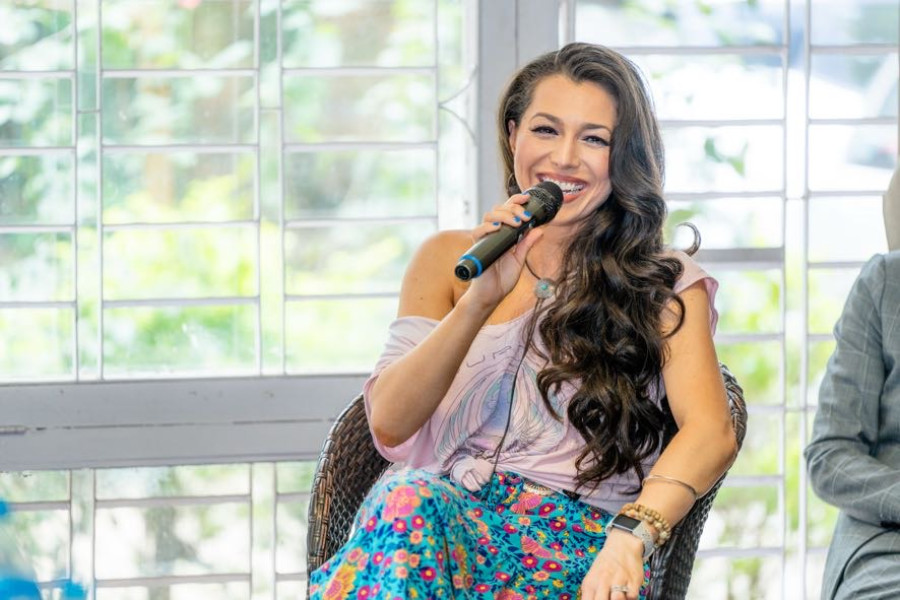
The American country musician talks about discovering Nepali music, collaborating with local artists and navigating the challenges of making a living from music. Photos: Courtesy of the US Embassy
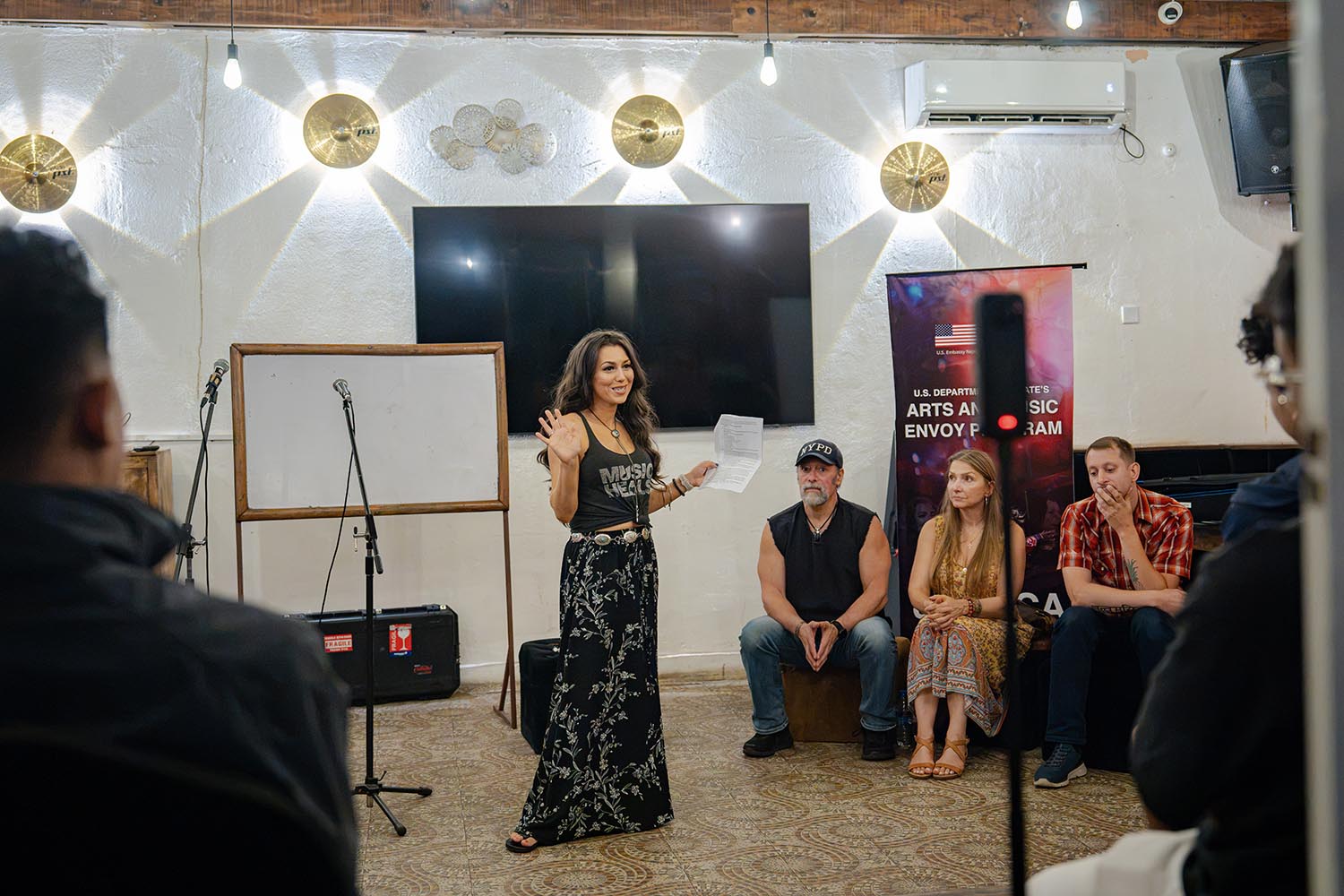
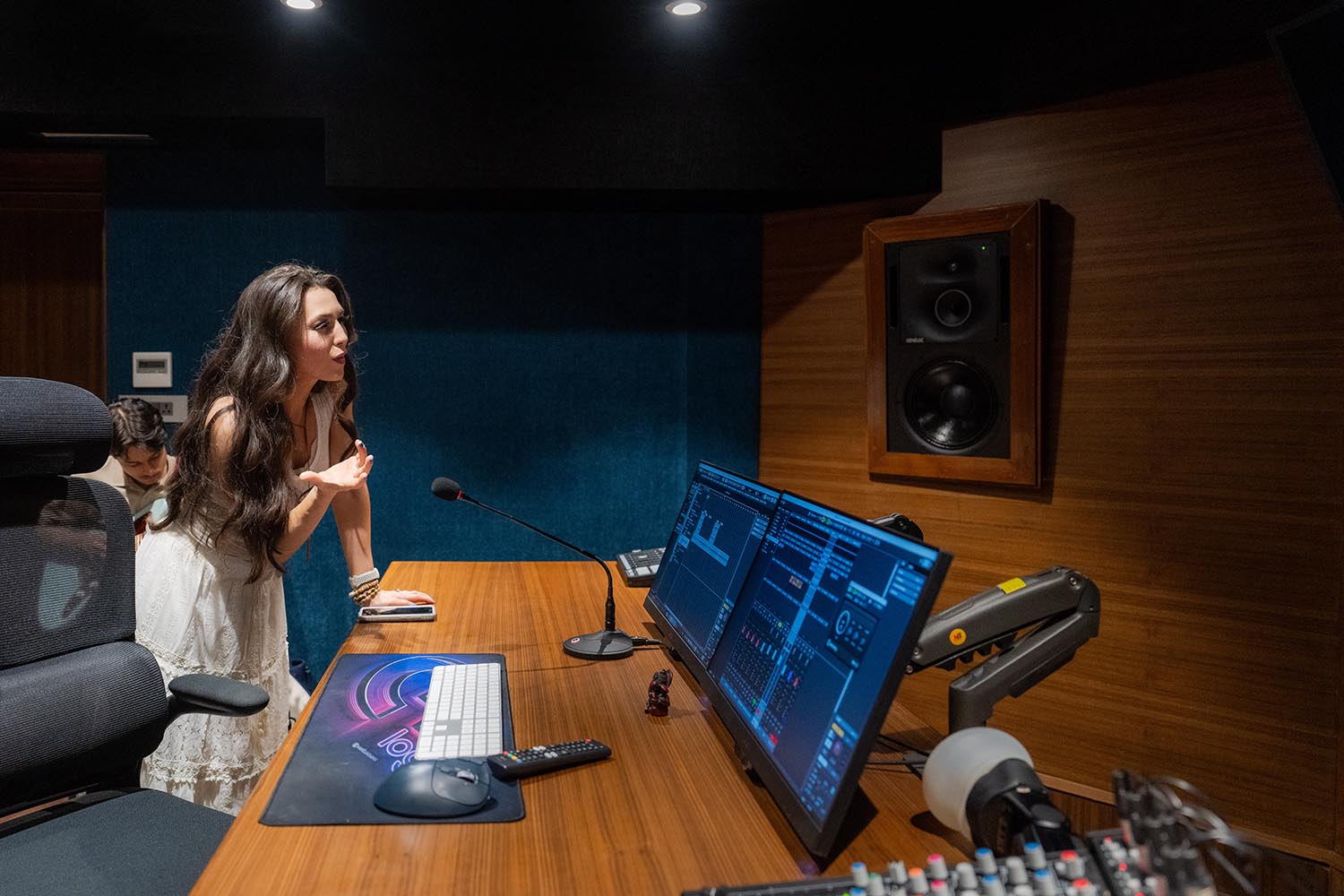
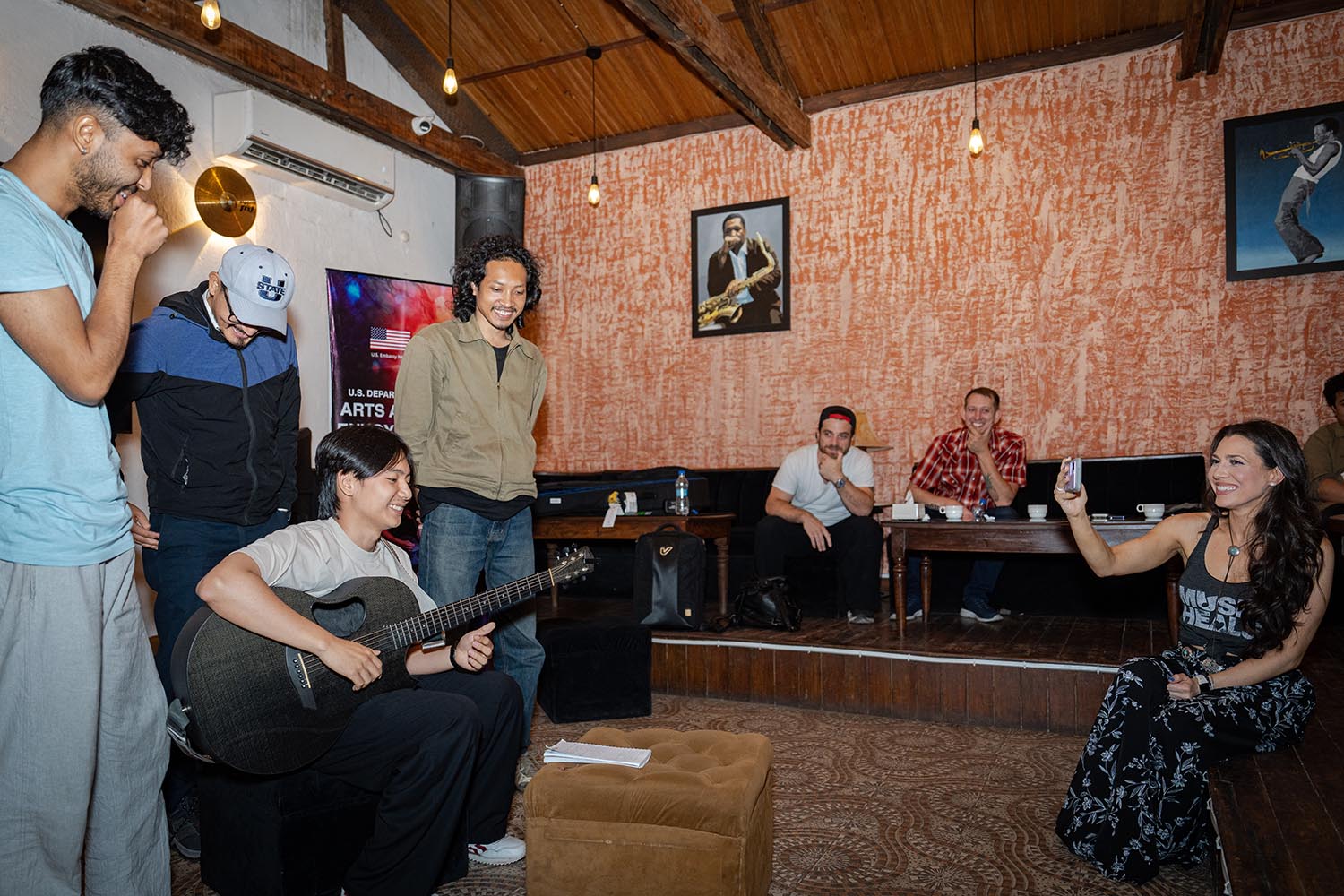
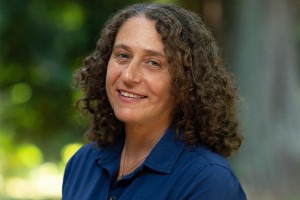
American country musician Jessica Lynn was in Nepal as part of the US Embassy Nepal’s Arts & Music Envoy Program, which brought her together with Nepali musicians, songwriters, and producers. During her visit, she performed, collaborated with local artists, and led workshops on songwriting, copyright, and the business of music.
A New Yorker who built a career in country music, Lynn, spoke to the Post’s Anish Ghimire about discovering Nepali music, working with sarangi player Kiran Nepali, and what young musicians need to know to build sustainable careers.
You grew up in New York City. How did country music become your language when you come from a place not usually associated with that kind of music? First of all, before we begin, my fellow band members and I are heartbroken by the tragic loss of life and devastation from the Bhote Koshi flood. Our hearts go out to all of Nepal, especially the families and loved ones of those who lost their lives.
And yes, you are right. Country music wasn’t popular, and it certainly wasn’t cool to listen to it. I started my first band when I was 13, and we played rock and roll because you couldn’t really be seen playing country music. We didn't even have a country music radio station.
But my dad always loved country music. So, from when I was very little, I would hear it playing in our house. I remember the sounds and stories of country music, and they really resonated with me.
And how did you go from listening to those songs to singing?
I wrote country music without even consciously doing it. It just started flowing out of me, and I thought, ‘Okay, I’m getting a sign that this is what I’m supposed to do.’
So I wanted to record a CD. I asked my dad, who helped me record my rock and roll music, to record a demo with me. He said, ‘You’re different. You’re a New Yorker doing country music. Why don’t you try something different? Let’s film a video and see what happens. Let’s try to put it on TV.’
I said, ‘Who would ever put an unknown artist on TV? That’s ridiculous.’ And he said, ‘Worst comes to worst, you’ll have a good video of your new music to use as promotional material.’ So I said, ‘All right, let’s try it.’
I come from a very normal, working-class family, so we didn’t have much money. I racked up every credit card I had, hired the cheapest camera crew we could find, hand-built the sets, and begged to borrow a venue that wasn’t even open yet.
That show wound up going nationwide on television. It started with PBS, a major public television network in the United States. Before we knew it, New York picked it up, then Montana, Wyoming, and other states. And that’s how everything started.
It’s nice you had such support early on. How old were you when that happened?
That was in 2014.
My family, we’re all musicians, so we’re a family band. My dad is my bass player. My mom is the background singer and piano player. My sister is our crew. My husband is the lead guitarist. My rescue dog travels with us—she’s the stage manager.
The drummer isn’t family, but he’s been with me for almost 18 years.
So talking about Nepal, what did you know about Nepali music before you came here?
One thing I dislike about the United States is that we share our music with everyone else, but we don't get to hear a lot of music from other countries. We tour worldwide—this is the 22nd country we've toured—and everywhere we go, we hear American songs on the radio. We always want to hear that country’s music, so it’s almost frustrating. It’s really cool that we get to share our culture so widely, but I wish other cultures were shared as widely with us.
That’s what’s beautiful about a programme like this. Once I got here, I started digging. I've been very lucky to work with musician Kiran Nepali, and I’ve been listening to Spotify. I love the sounds and the feeling behind the music.
And how has your experience been working with Kiran Nepali?
It’s been great. He is such an incredible instrumentalist and musician. We had one rehearsal and were like, ‘Okay, we’re good, guys.’ He’s just so professional, warm, and loving. You can tell that music is truly his passion, not just a job.
He was saying that the sarangi was becoming a lost art, and he had taken it upon himself to spread the instrument’s culture. I thought that was so beautiful. All the different initiatives he does around it are incredible, and he was even teaching us. I was awful. I do not see a future for myself as a sarangi player.
Here you’ve been meeting musicians, songwriters and producers. What are you noticing that Nepali musicians do particularly well, and what do they not do well?
We are blown away by the talent here.
Every day, we leave saying, ‘Can you believe that kid?’ or ‘Can you believe the way they played?’ We’ve seen and worked with some of the most influential guitar players and musicians in the US, and these kids blew us away.
You also led a workshop on copyright and royalties for Nepali musicians. What was the biggest gap or misconception you noticed when talking to artists here about protecting and monetising their work?
Knowledge.
And that’s not just here; it’s everywhere. I teach a course on this and have taught it to musicians in many parts of the world, including the United States. Knowledge is power. A lot of people don’t realise how easy it is to protect yourself before it’s too late.
Most people think about protecting themselves after something has happened.
Whenever you sit down to co-write with somebody, ask, ‘Okay, what are our terms?’ A lot of artists, I don’t know why, are afraid to have a business mindset. But it’s just like any other industry. You’re about to form a partnership, so write a simple piece of paper that says what that partnership entails, just as you would in any other business.
Nepal’s music industry is growing, but many artists struggle to make a sustainable living. What do you think musicians need to understand about the business side of music?
The most important thing—and this isn’t just true here—is that it’s very hard. I think I’m the only full-time musician I know, and there are so many talented people out there.
The most important thing is to create an ecosystem around your music. In 2026, you cannot just be a musician. You have to be a social media expert, an entrepreneur, and, at times, even a music business lawyer.
You make very little money from your music. You get a fraction of a cent from every stream. I make my money from touring, social media, merchandise, and deals I’ve brokered with other companies.
So every artist has to understand that if you’re just focusing on the art, you may be the best guitarist or singer in Nepal, but no one will hear you. You have to use your mind to focus on all these other things and create an ecosystem in which you can thrive and get your art out to the world.
What mistakes do young musicians commonly make when trying to build careers?
I think the biggest mistake is trusting people too much. There are many people who will take advantage of young artists, from booking agents to PR companies. I’ve learned to do your research, ask for references, and remember that if something sounds too good to be true, it probably is. There is no formula for success, and there are no guarantees in music. Most importantly, trust your gut. If something doesn’t feel right, listen to that instinct.




 14.73°C Kathmandu