Explained: Why is Sheikh Hasina’s plan to return to Bangladesh contentious?
The former prime minister says she plans to return in December, despite a death sentence, the revocation of her travel documents and the risk of arrest. Reuters
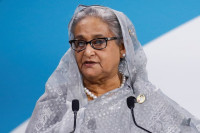
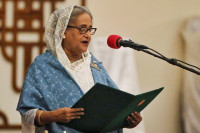
Bangladesh swiftly rejected a request this week for a new passport from deposed Prime Minister Sheikh Hasina, 78, who plans to return home in December from self-imposed exile in India.
Here are the details of her plans.
Why did hasina flee?
Hasina fled to India in August 2024 after a deadly student-led uprising ended her long tenure in power, which was marked by widespread accusations that she had crushed dissent and dismantled democratic checks and balances. She denies the allegations.
Many opposition leaders lived abroad during that period, and the opposition often boycotted elections.
A Bangladeshi court sentenced her to death in November last year for ordering a deadly crackdown on protesters in 2024 that the United Nations estimates killed as many as 1,400 people.
A ban imposed after her government's fall prevented her Awami League party from contesting the last general election in February, bringing the Bangladesh Nationalist Party to power.
Tarique Rahman, the son of Hasina's biggest political rival, Khaleda Zia, is now prime minister. Rahman himself lived in self-imposed exile in London while Hasina was in power.
Why does she need new travel documents?
Months after Hasina fled, the interim government that took office revoked her passport and national identity document. On November 9, her lawyers requested new documents from the Bangladesh embassy in New Delhi, the Indian capital.
Their emailed letter asked for the documents to be issued “expeditiously”, citing her Bangladeshi nationality and the country's obligations under “international human rights instruments”.
The Bangladesh government said it “doesn’t provide passport to a terrorist” and urged New Delhi to hand her over, citing an extradition treaty between the two countries.
“Should we treat her like an ordinary commercial traveller and tell her to come and visit her in-laws’ residence?” asked Humaiun Kobir, the state minister for foreign affairs.
India's foreign ministry did not respond to a request for comment. In April, however, it said it was examining Bangladesh's extradition request, citing a desire to engage constructively with the new government and further strengthen ties.
Political analysts say Bangladesh's government does not want Hasina's return to become a political spectacle that could galvanise her supporters.
What could happen next?
The Awami League has said Hasina will return home in December, with or without travel documents. People regularly cross the long, partly porous border illegally, although Hasina and her party have not said how she would return if her request is rejected.
Aides say Hasina will detail her plans soon.
In a telephone interview with Reuters in July, she said authorities in Bangladesh might arrest her on her return or she could be killed.
She said she wanted to return voluntarily and surrender. “If death comes, I want it to come on my own soil, where my parents are buried and their blood was shed.”
Despite the risks, she said it was important to stand by party workers in Bangladesh who were facing difficulties in the absence of their leaders.
What are the risks for Bangladesh?
The world's second-largest garment exporter has been trying to recover from the political and economic turmoil surrounding Hasina's ouster.
Tensions remain high despite elections this year that brought greater political stability. Meanwhile, conflict in the Middle East has raised the cost of living and caused severe shortages of fuel and electricity.
Hasina remains a deeply polarising figure in the mainly Muslim country of more than 175 million people. Her return could rally her supporters while confronting the government with the difficult question of how to deal with a former prime minister sentenced to death.
A large public show of support for her could reignite tensions and risk triggering unrest.




 23.38°C Kathmandu