



 21.7°C Kathmandu
1.jpg)

Fri, Jun 5, 2026
Visual Stories
Chiuri bloom draws beekeepers to Chitwan hills
Migratory beekeeping boosts honey production and pollination in Siddhi.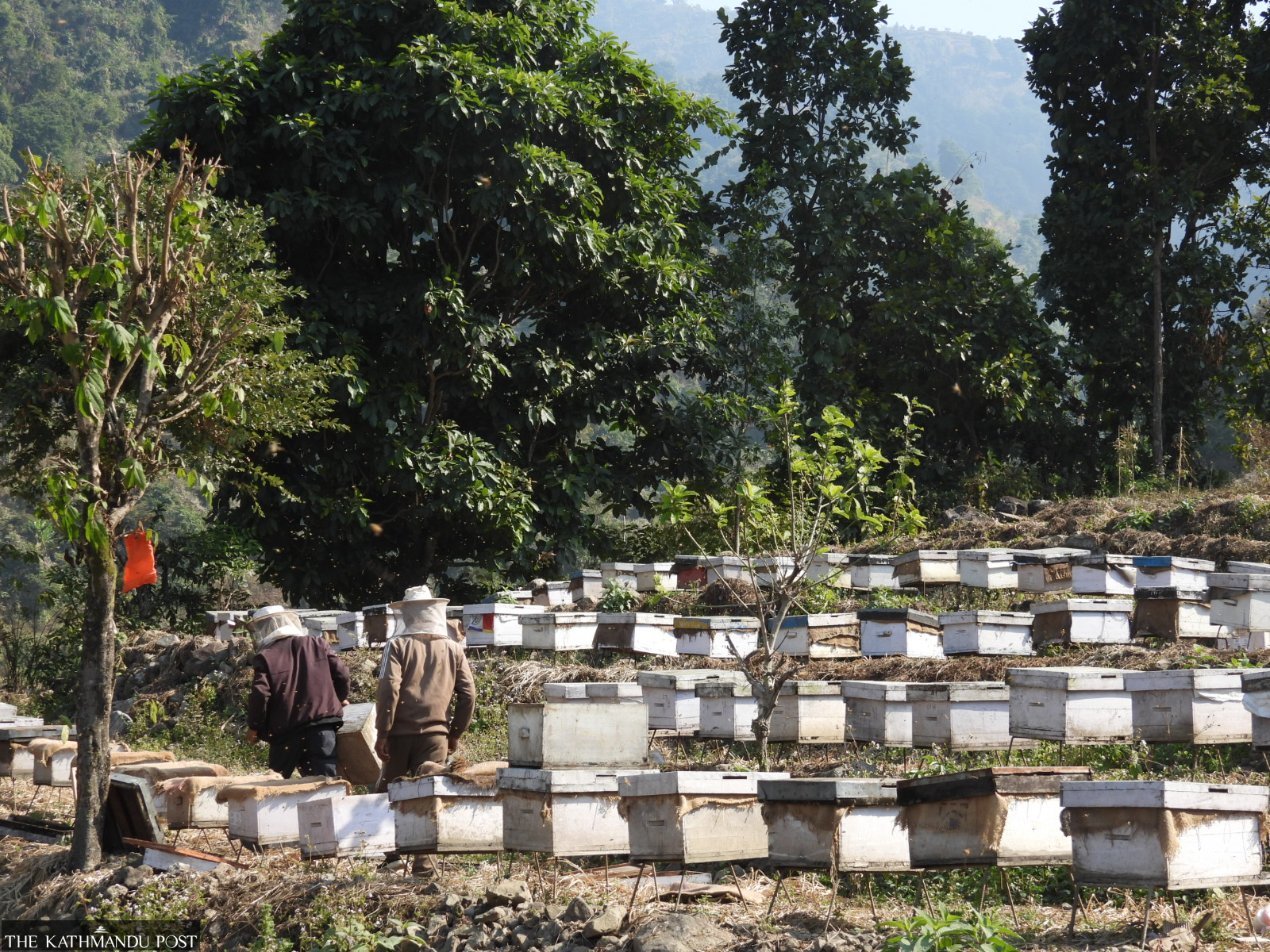
Ramesh Kumar Paudel
Published at : January 4, 2026
Updated at : January 4, 2026 14:32
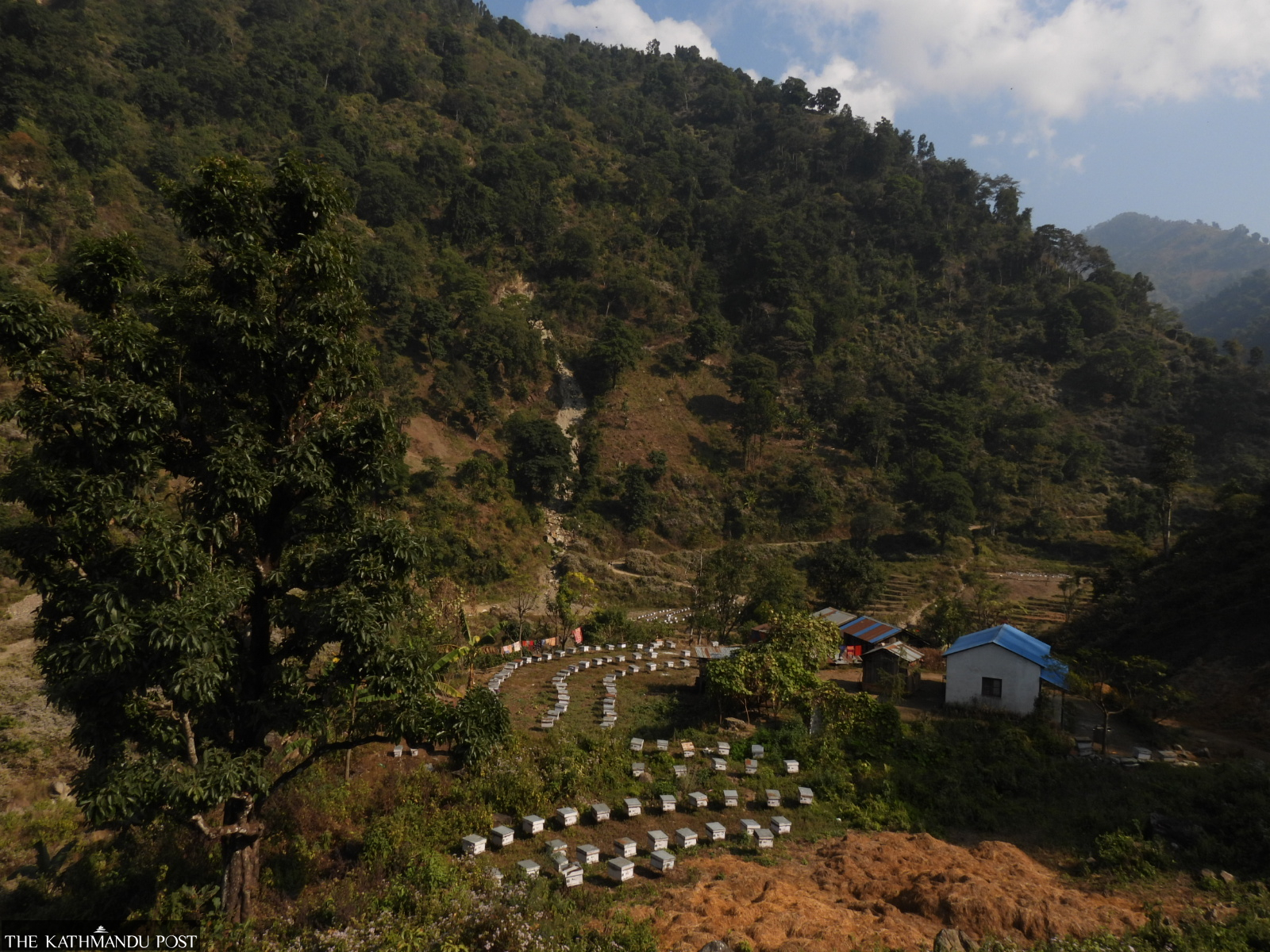
The hills of Siddhi in Chitwan are covered by lush chiuri trees (Nepali butter trees) as the flowering season begins, attracting migratory beekeepers from across the district and beyond.
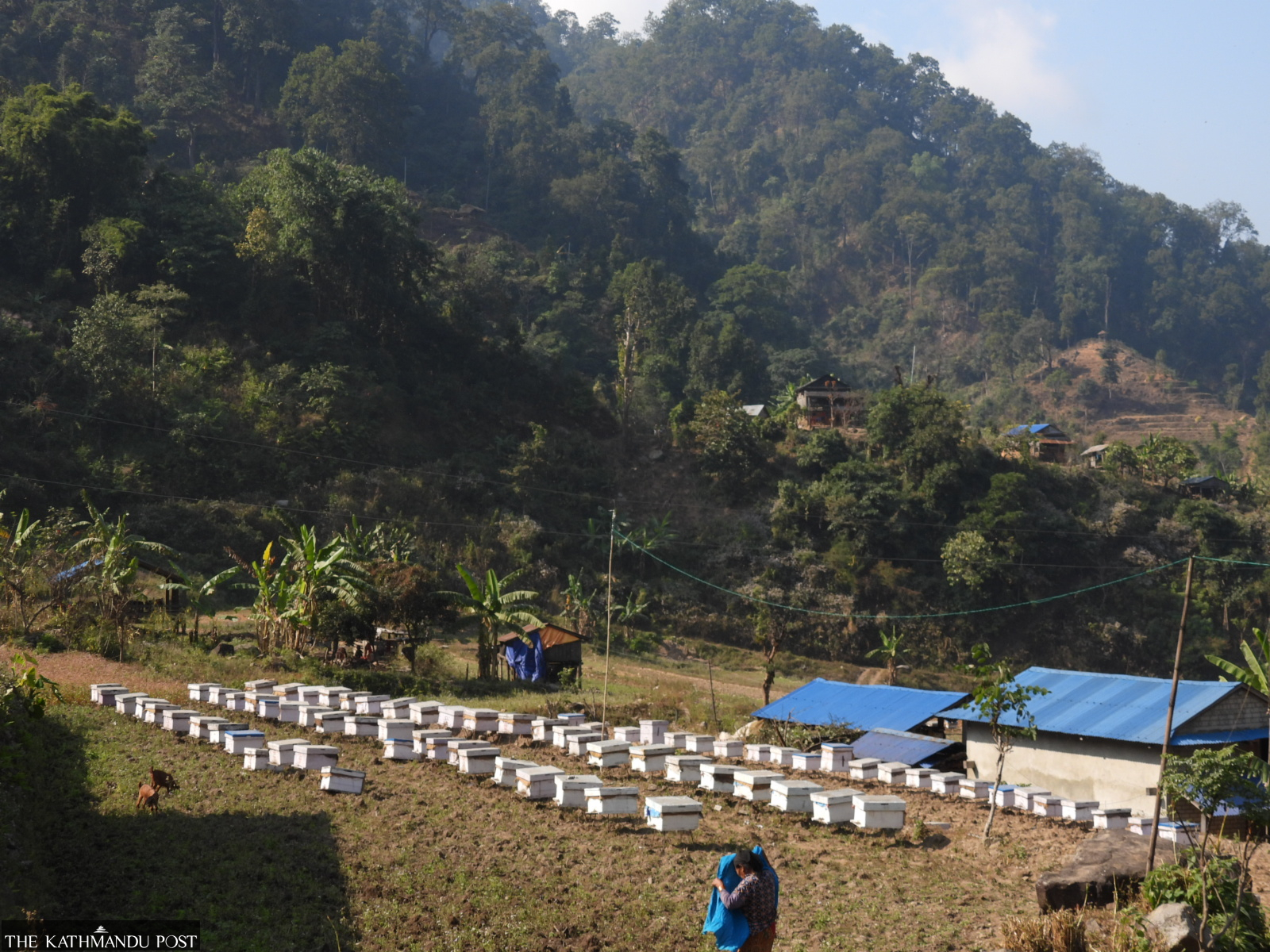
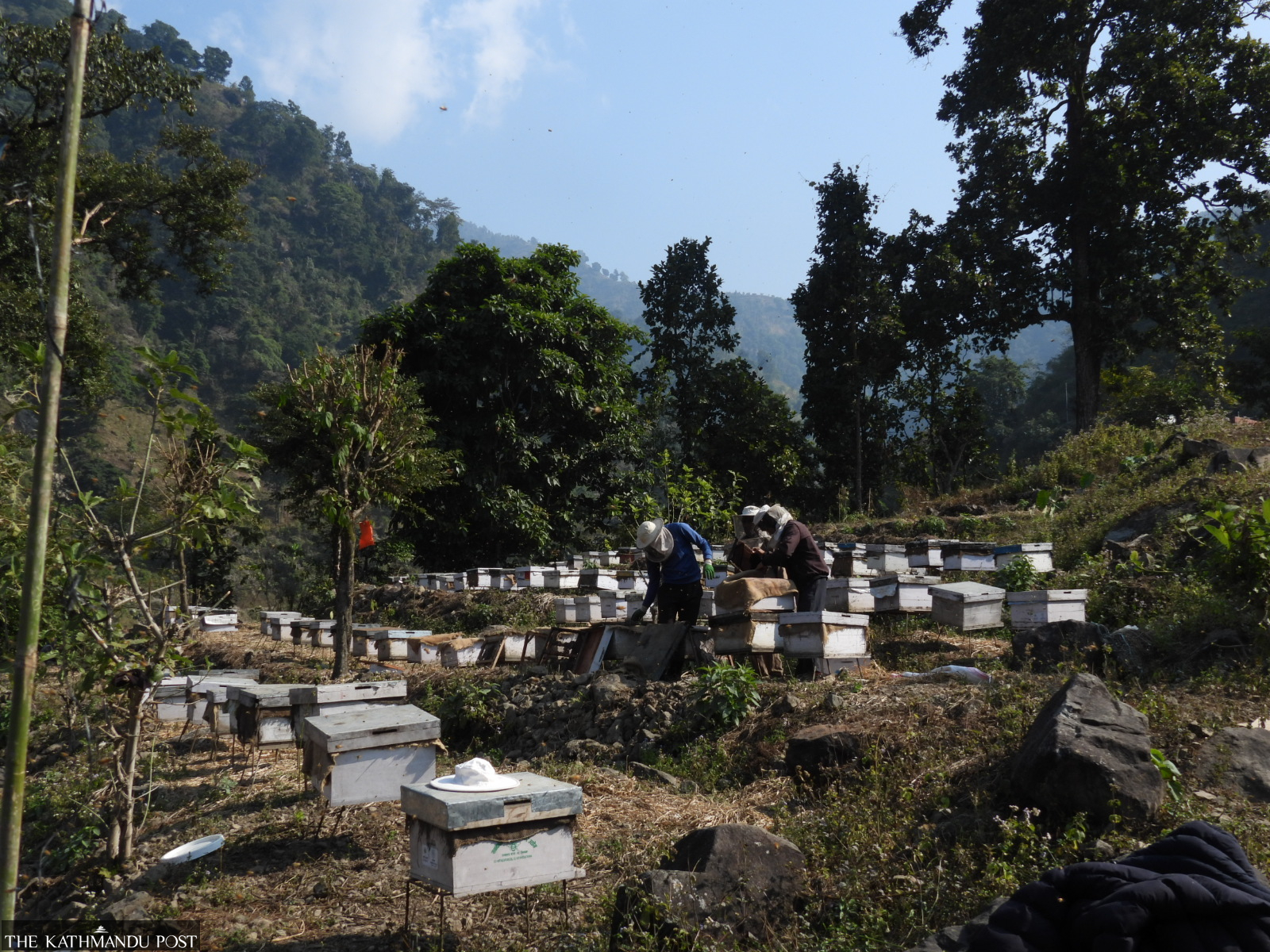
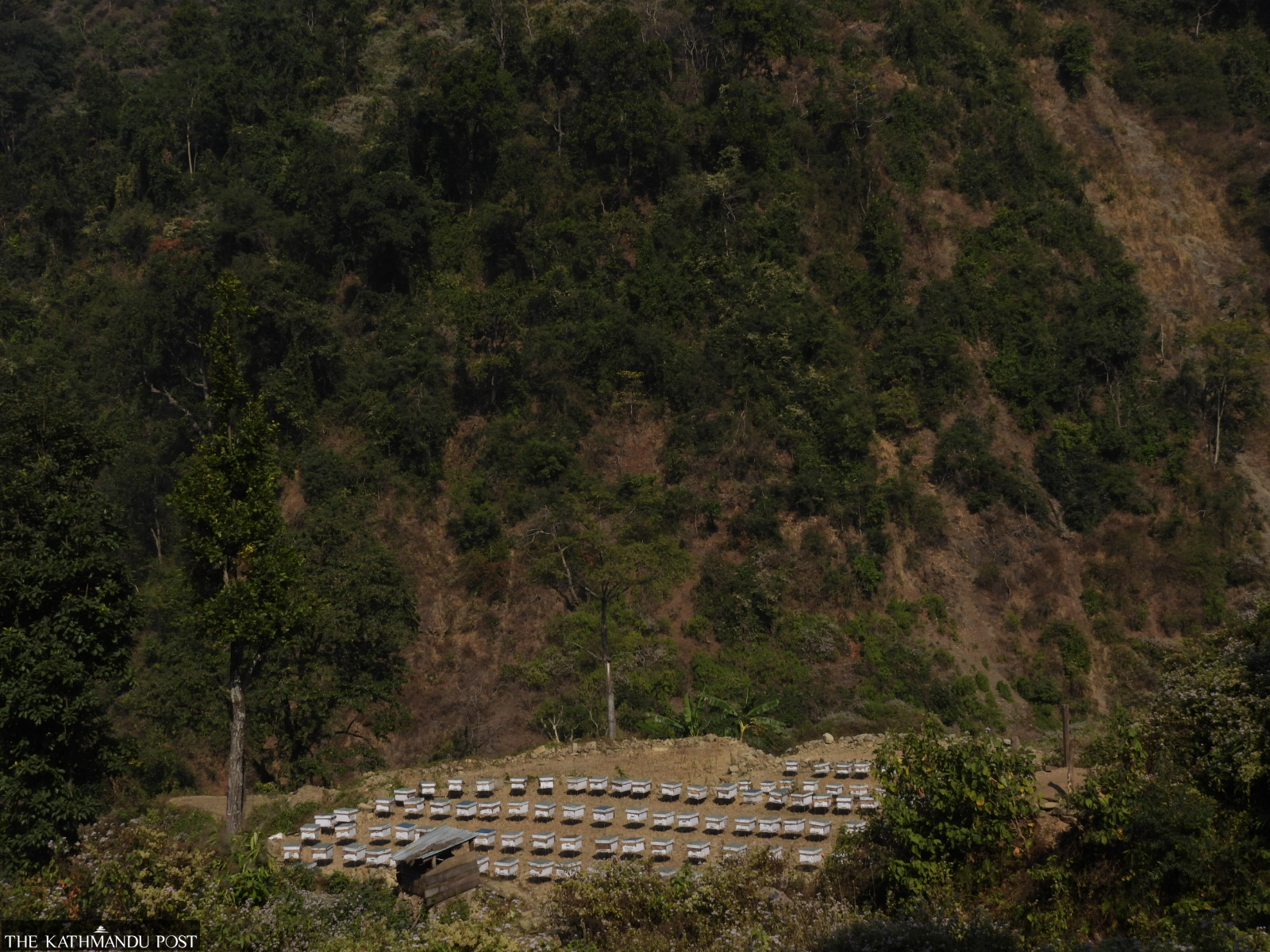
Chiuri flowers are rich in nectar and highly favoured by bees. As a result, Siddhi, the home to the marginalised indigenous Chepang community, is now dotted with rows of white beehives. Most of these hives do not belong to locals. Beekeepers move their hives to areas where flowers are in full bloom.
With mustard flowering in the plains and chiuri in the hills, beekeepers transport hives to areas dense with blossoms, said Shiva Sharma Paudel, immediate past president of the Federation of Nepal Beekeepers.
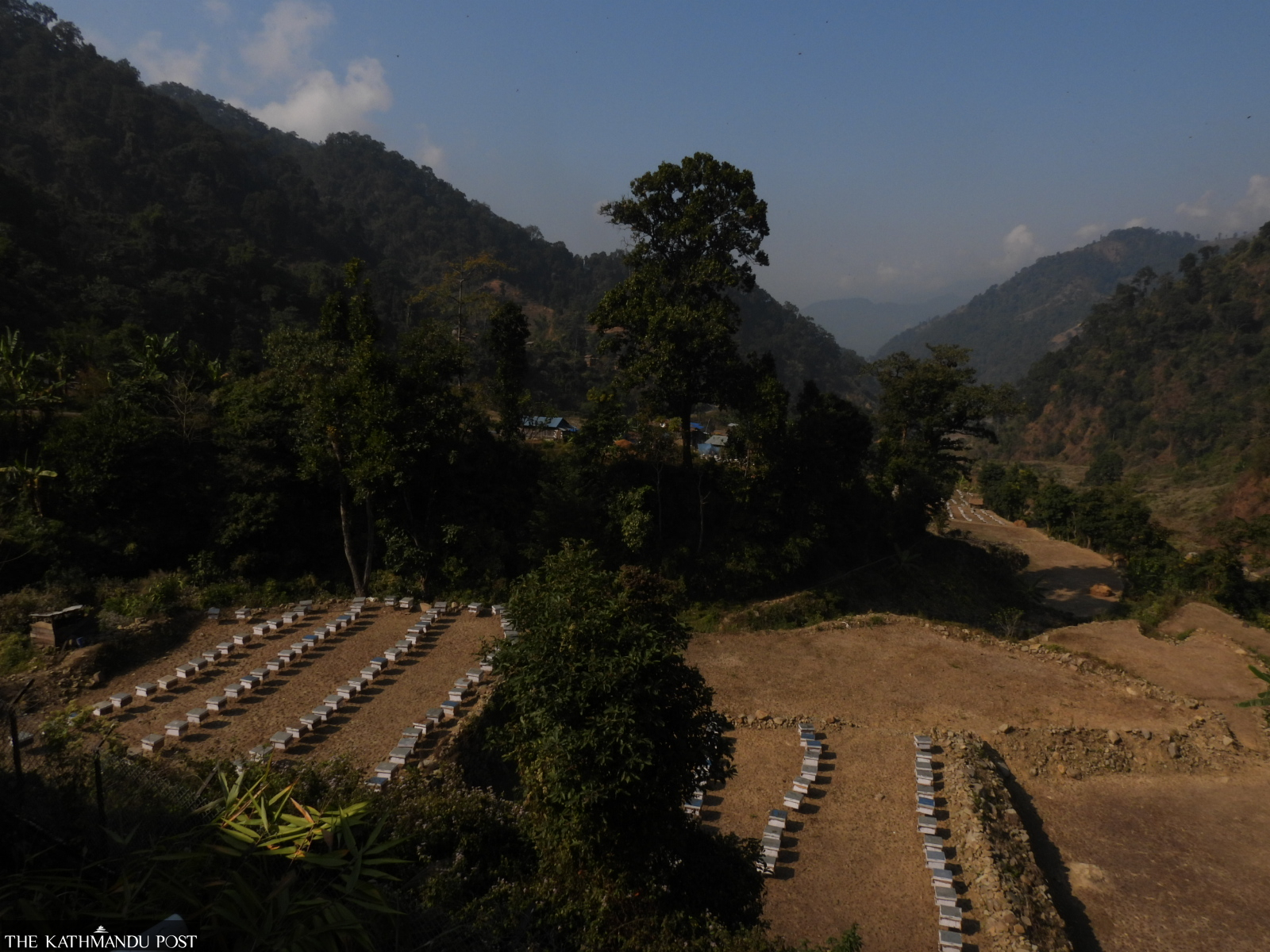
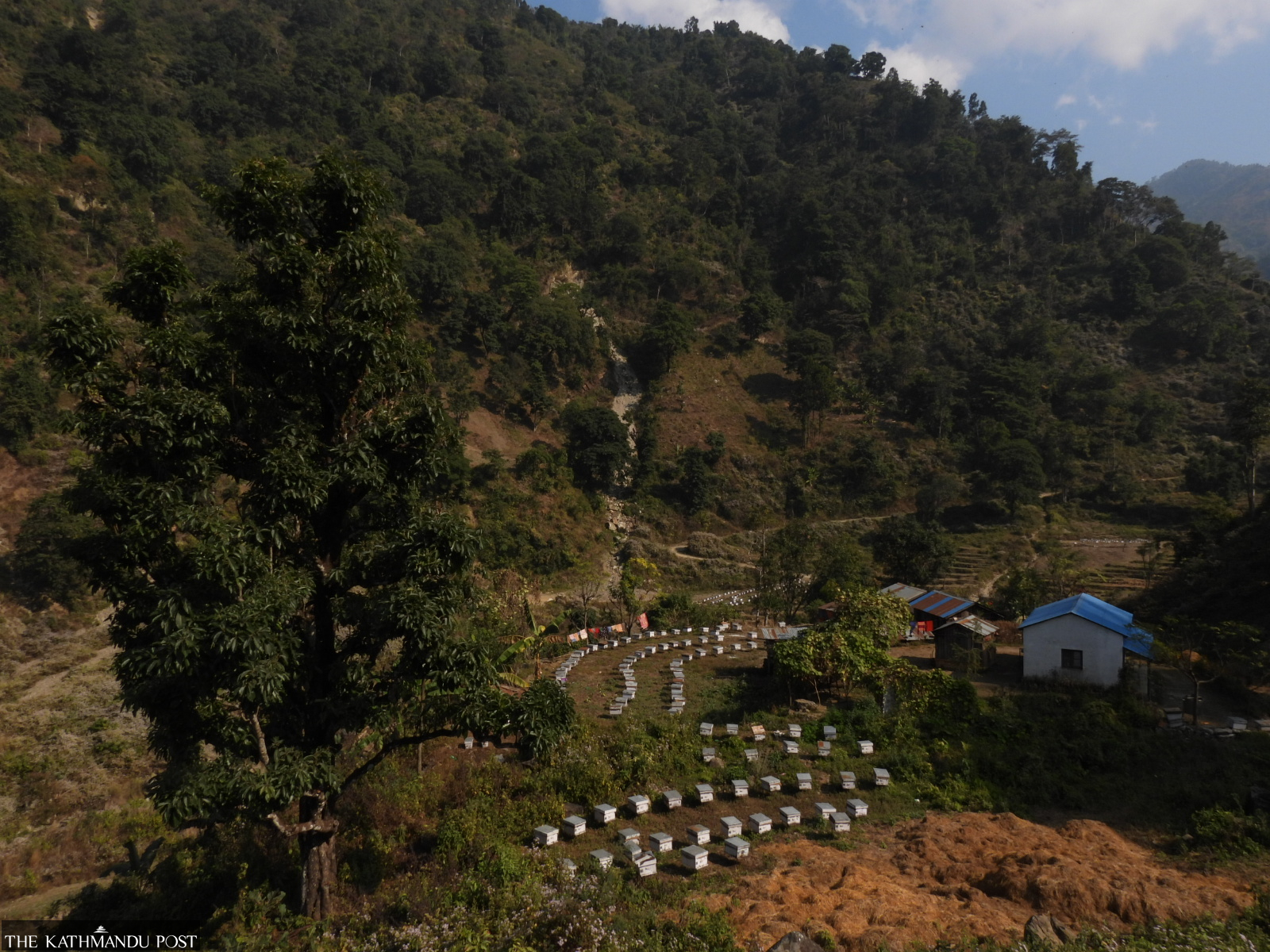
Paudel, who is from Kholesimal in Chitwan, said beekeepers travel not only to Chitwan’s hills but also as far as Dang in search of chiuri nectar. He said beekeepers from Padampur, Ratnanagar, Meghauli and other parts of Chitwan bring their hives to the hills of Siddhi, which falls under ward 11 of Kalika Municipality.
Ward member Milan Chepang said beekeepers began bringing hives to Siddhi around nine or ten years ago after roads were opened and vehicles started operating. He said most of the bees currently seen in the area are brought for grazing, although some locals have also started beekeeping.
Beekeepers also move hives to feed on flowers of other forest plants, including rudilo (a medicinal herb). Bees play a vital role in pollination, which is essential for fruiting.
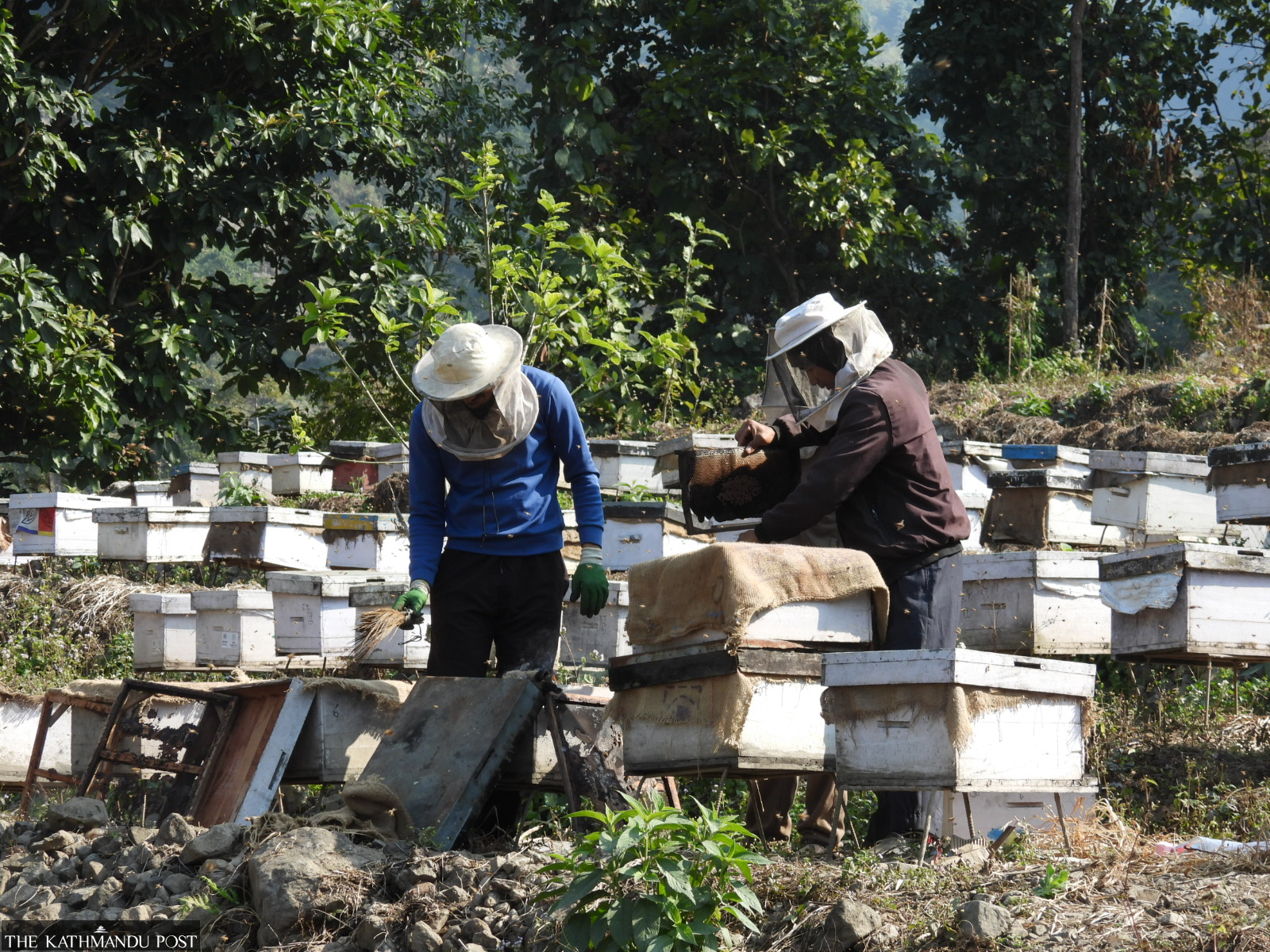
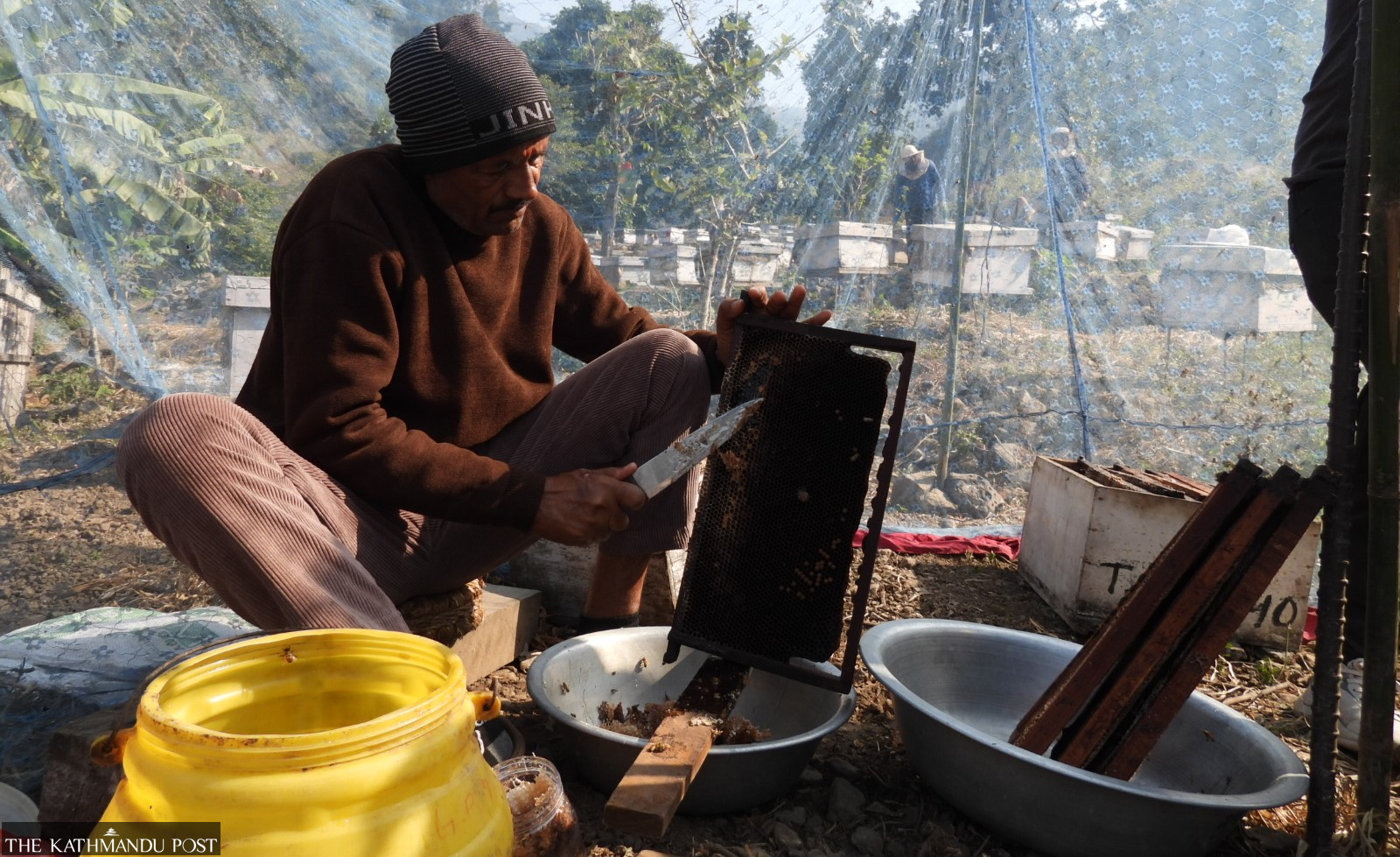
Without pollination, crops do not bear fruit. Paudel said migratory beekeeping not only increases honey production but also has a positive impact on pollination. In some cases, honey is extracted at the grazing sites themselves.
Ramesh Kumar Paudel
Ramesh Kumar Paudel is the Chitwan correspondent for Kantipur Publications.




×