Budget-friendly places for Nepali students in Ohio
A breakdown of cities in the American Midwest for Nepali students to decide where cost of living and career prospects line up best. Photos: Shutterstock
Athens is a small, scenic college town in southeastern Ohio, shaped largely by Ohio University and its energetic student community. Surrounded by rolling hills, rivers and forests, the town combines historic streets, local businesses and easy access to nature.
Pros:
The university campus, downtown shops and restaurants are concentrated within a compact area, making daily life manageable without a car. Ohio University students can also use Athens Public Transit free of charge, while nearby trails and forests provide inexpensive options for hiking and outdoor recreation.
Cons:
Because Athens is a relatively small town, the number of professional internships available locally can be limited. Although Ohio University hosts career fairs and attracts employers from across the country, students may need to look beyond Athens or relocate temporarily for specialised opportunities.
Oxford
Oxford is a compact, classic college town in southwestern Ohio, built almost entirely around Miami University at its core. Red-brick Georgian buildings, leafy streets and a walkable uptown give it a traditional campus-town character.
Pros:
The compact layout means campus, uptown restaurants, shops and student housing are all within easy walking distance. The town is also considered quite safe, and Miami University's strong sense of community brings a steady calendar of campus events, traditions and activities that keep student life active without needing to travel elsewhere.
Cons:
The town's economy is heavily tied to the university, so it can feel quiet or emptied out during breaks and summer months when students are away.
Columbus
Columbus is Ohio's capital and largest city, and it's where The Ohio State University, one of the biggest campuses in the country, is situated. Rather than a self-contained college town, Columbus functions as a full city with sprawling neighborhoods, a job market, and student population that's just one part of a much bigger urban picture.
Pros: Living costs stay reasonable even with everything a major city offers, and students get real exposure to internships and employers across finance, tech, healthcare and government without having to leave town.
Cons: The scale of the city brings more traffic and scattered housing options, so building a close community takes a bit more intention than it would in a smaller town.
Cincinnati
Cincinnati is moving to universities like the University of Cincinnati and Xavier University. The city has 300,000 people and many residential areas.
Pros: The city offers people a diverse job market. It is home to many consumer goods, finance and healthcare companies. The cost of living is on the lower end for cities of this size.
Cons: Despite its universities, the city is not generally considered a college town. Younger residents have to actively seek college-town experiences since it is not part of city life. The city is also not walkable.
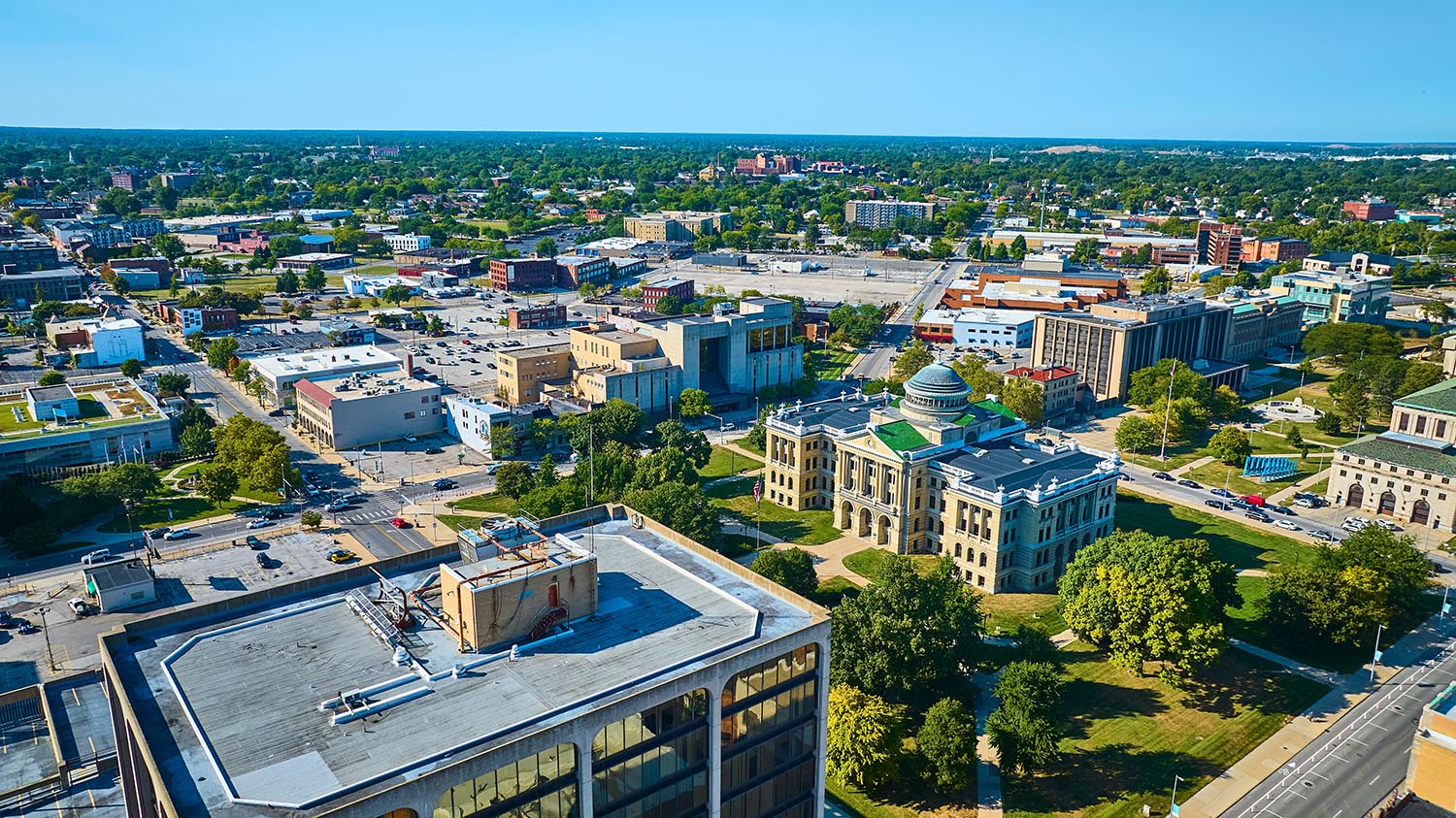
Toledo
Toledo is Ohio’s fourth largest city, sitting on the edge of Lake Erie. It is a city of 600,000 people and home to the University of Toledo.
Pros: The University of Toledo sits at the centre of city life. It is the biggest school in town and also the town's biggest employer. Students have a solid pipeline to work experience and internships.
Cons: As a Rust Belt city, its growth has been stagnant over the years. And despite its size, it is considered to be falling behind the other major metros in Ohio.
Based on conversations with local Nepali students in Ohio.




 15.67°C Kathmandu