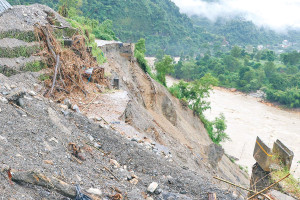
The government has asked Meta and TikTok to immediately remove graphic images, AI-generated videos, fraudulent QR codes and misleading posts circulating on their platforms following the devastating Bhotekoshi floods.
Government officials held talks with Nepal-based representatives of the two social media companies on Friday, seeking faster action against content that could mislead the public, obstruct relief efforts or cause further distress to families of victims.
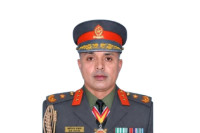
Bijay Kumar Roy, coordinator of the social media regulation and management task force formed by the government and director at the Nepal Telecommunications Authority (NTA), said officials asked the companies to remove links to objectionable and deceptive content as soon as they are flagged.
“Since Internet Service Providers can only block entire web domains, direct co-ordination with platform providers was essential,” Roy said. “The government has urged TikTok and Meta to make their algorithms proactive so that graphic and false content is automatically blocked as soon as it is posted.”
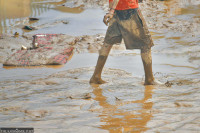
The request comes amid a surge in misleading material on social media following Wednesday’s flash floods. Old videos have been recirculated as fresh footage, while AI-synthesised videos and images have been presented as real scenes from the disaster.
Authorities have also detected fraudulent QR codes being circulated to solicit donations for flood victims. Officials fear such scams could exploit public sympathy while diverting money intended for relief.
Meta and TikTok have designated focal points in Nepal through which authorities can flag problematic posts. The companies have been co-ordinating with officials to remove such material after receiving complaints.
But the response is not always immediate.
Roy said the platforms currently take between 24 and 48 hours to act on reported posts. Such delays allow misleading or distressing material to spread widely before it is removed.
Officials have therefore asked the companies to substantially shorten their response time and to immediately blur distressing images and videos, particularly those showing victims and the aftermath of the disaster.
The government has formed a multi-agency team to monitor and regulate harmful online content during the crisis. The team includes representatives from the Ministry of Communication and Information, the NTA and the Ministry of Home Affairs.
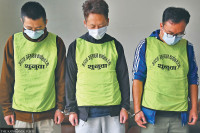
The NTA is responsible for technical co-ordination with social media platforms, while the Nepal Police is identifying people suspected of creating or circulating malicious content and initiating legal proceedings where necessary.
The government-mobilised team consists of NTA director Roy, NTA deputy director Surya Prasad Lamichhane, assistant director Om Prakash Mahato, MoCIT engineer Kumar Yadav, and inspector Arun Tamang from the home ministry.
In a press statement, the communication ministry urged national and local media outlets and social media users to avoid sharing distressing photographs, unverified reports and fabricated material.
The ministry said information circulating during a crisis can have a significant impact on rescue operations, relief distribution and public morale.
“We appeal to all national and local media outlets as well as social media users not to share unverified, fabricated, or AI-generated rumours that spread panic,” the statement said.
The ministry also warned that graphic images and videos could deepen the trauma suffered by families of victims, particularly when such material is shared without context or verification.
Authorities have urged people to verify information before forwarding or reposting it, especially material purporting to show the latest flood damage, casualties, rescue operations or requests for financial assistance.




 19.39°C Kathmandu