How people can help Nepal’s flood-affected communities
With the scale of destruction still being assessed, aid groups say cash donations, instead of physical goods, are the most effective way for the public to help right now.
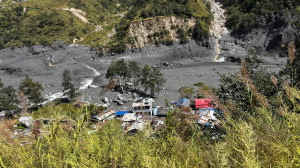
As search-and-rescue operations continue in Rasuwa and Nuwakot districts following Wednesday's devastating flash floods, government officials and aid organizations are appealing for donations to support tens of thousands of people who have lost their homes, livelihoods, and access to basic services.
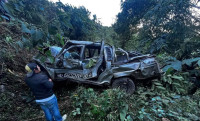
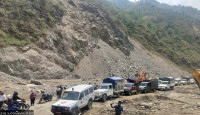
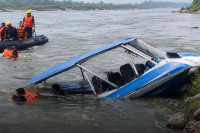
The floods, triggered by a glacial lake outburst, have killed at least 160 people in Nepal, according to authorities, with hundreds more reported missing, including foreign tourists and trekkers. An estimated 10,000 households need immediate relief, according to the UN humanitarian agency OCHA, with entire settlements, markets, roads, bridges, and hydropower infrastructure swept away or damaged. Many of the worst-hit villages remain cut off, reachable only by air, as landslides and washed-out bridges block ground access.
With the scale of destruction still being assessed, aid groups say cash donations — rather than physical goods — are the most effective way for the public to help right now, since local organizations can use funds to procure and transport supplies as needs on the ground shift.
Here is where people can direct support:
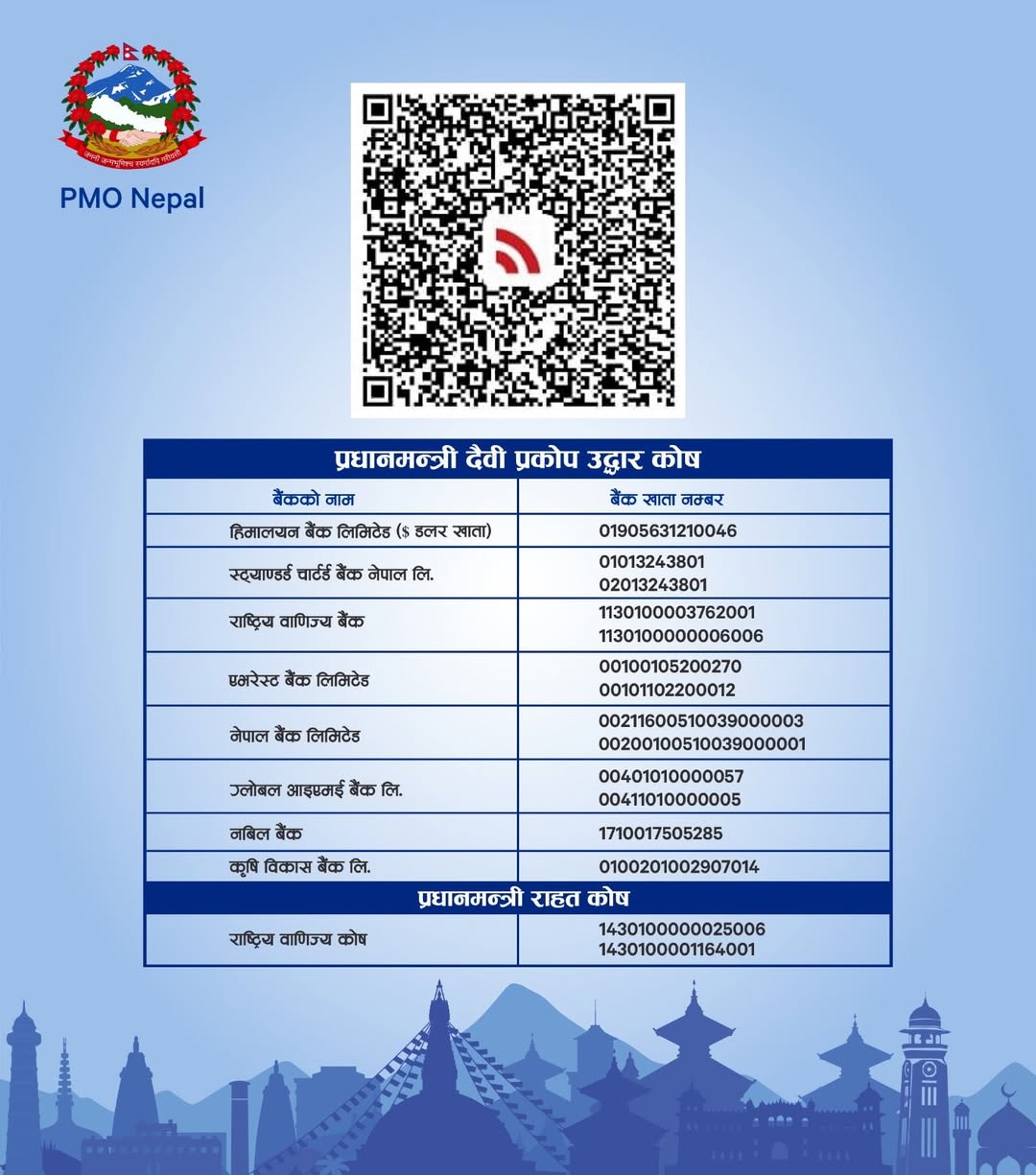
The Prime Minister’s Disaster Relief Fund, administered by the Office of the Prime Minister and Council of Ministers, is the government’s official mechanism for channeling relief and rehabilitation funds to affected families. By law, the fund can only be used for rescue, treatment, relief, rehabilitation and infrastructure restoration — not administrative costs — and its accounts are audited annually.
The Nepali Embassy in Washington and the Consulate General in New York have both urged Nepalis abroad and international supporters to contribute to the fund, directing donors to bank account details announced by the Prime Minister's Office. Nepali missions in other countries are expected to circulate similar instructions in the coming days.
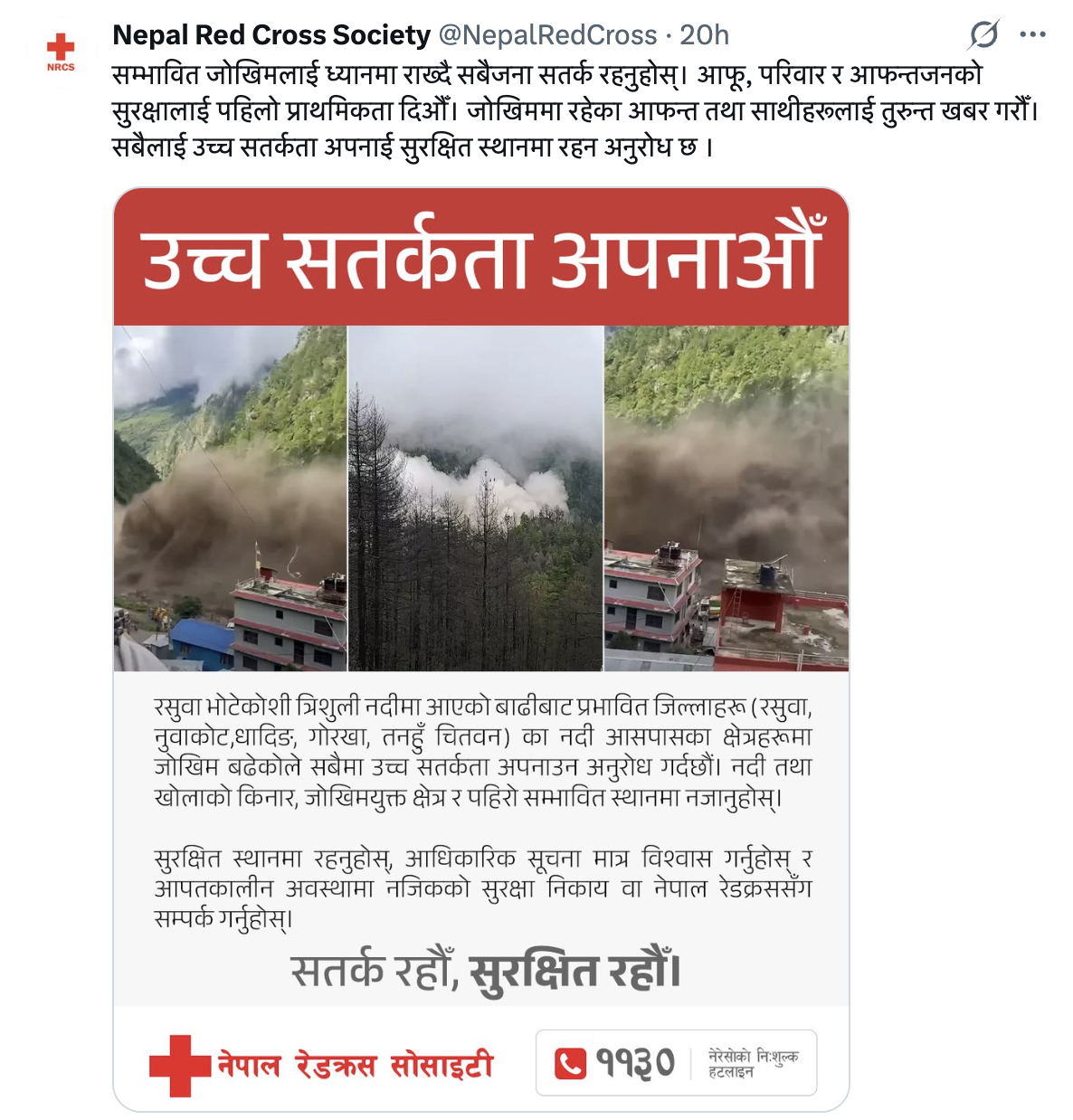
The Nepal Red Cross Society has emerged as one of the most active responders on the ground. More than 200 NRCS staff and volunteers have been involved in evacuations, search and rescue, and distribution of emergency supplies — including tarpaulins, blankets, sleeping mats, first aid kits and drinking water — from prepositioned stock. The organization says it has already reached nearly 5,000 people and is working on transitional shelter for the most vulnerable, including people with disabilities, older adults, pregnant women and children.
International Federation of Red Cross and Red Crescent Societies
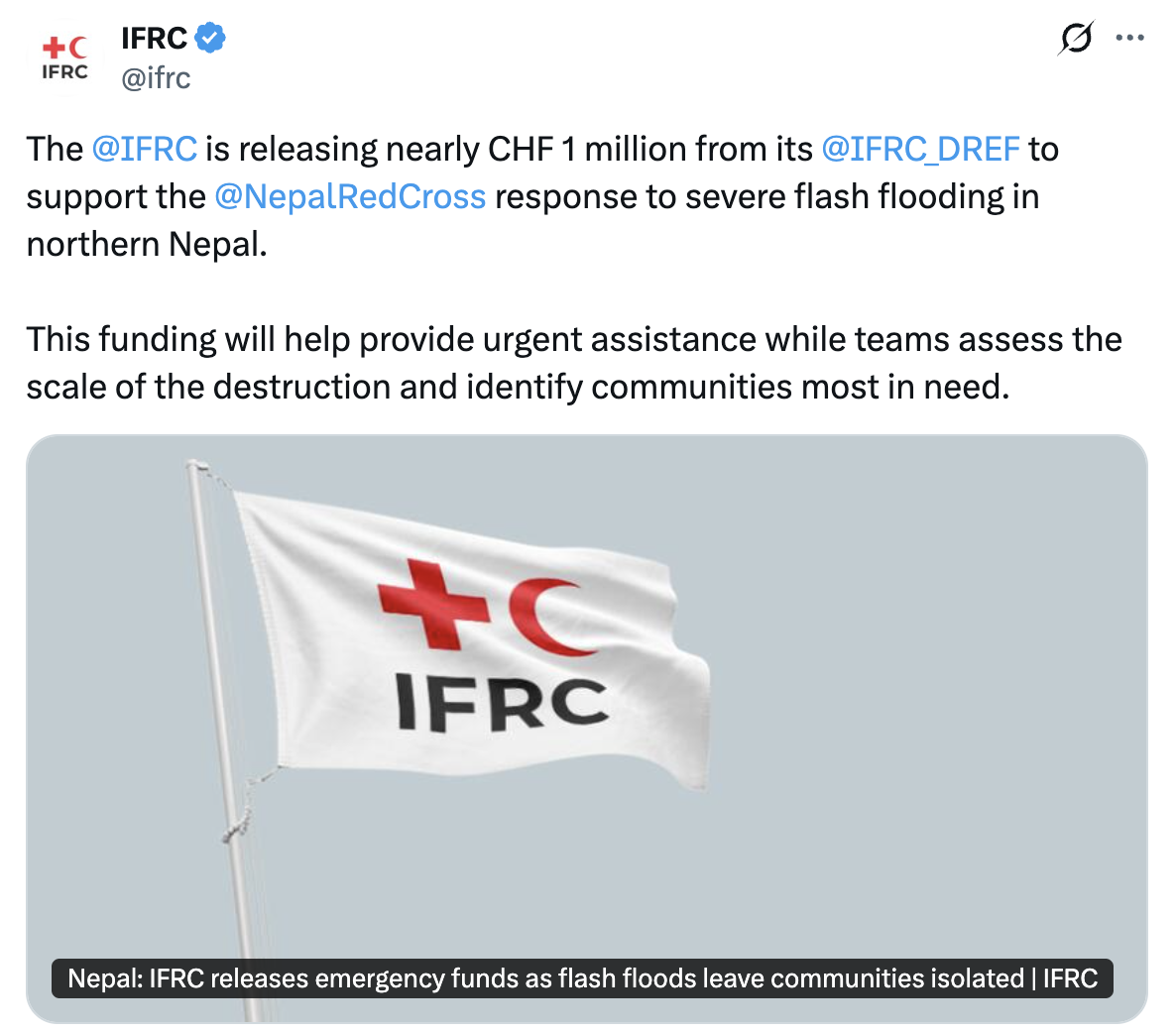
The IFRC has released emergency funding — reported at figures ranging from roughly CHF 1 million to over CHF 520,000 depending on the appeal stage — through its Disaster Response Emergency Fund to back the Nepal Red Cross response. The IFRC says regional and global teams remain on standby to scale up support as the picture becomes clearer.
Beyond financial donations, aid groups suggest volunteering with local NGOs or government-coordinated relief efforts, particularly for those in or near affected districts — there is demand for help with shelter management, relief distribution and medical support. Both the government and the public have appealed for sharing verified information rather than unconfirmed reports or old donation links, to avoid diverting resources or spreading misinformation during a fast-moving crisis. Aid officials have also said that once the immediate rescue phase passes, Nepal will need sustained support for rebuilding homes, restoring infrastructure, and providing mental health services to survivors — a process that, in past floods, has taken months to years.
Caution: Fundraising for disasters is a common vector for scams in the first 48 to 72 hours, so before transferring money, please verify account details directly through the official channels or Nepal’s consulate and embassy’s official website and social media channels.




 13.83°C Kathmandu