Nepal’s stolen Uma-Maheshvara statues belong back in their shrines
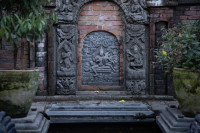
Returning stolen statues to the country is only the first step. They should be in the shrines where generations worshipped them. A statue of the Uma-Mahesvara deity pictured at Golmadhi Hiti in Bhaktapur recently. Photo: Courtesy of Saurav Thapa Shrestha
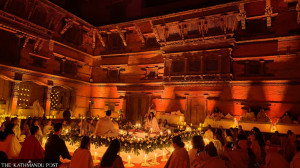
On 7 February 2022, a 12th-century Uma-Maheshvara stele was reinstalled at Tangal Hiti, a stone water spout in Patan. It was stolen from there in the 1980s. The New York-based Metropolitan Museum of Art had received it as a donation in 1983 and returned it to Nepal in 2018. It took almost four years to reinstall it in Patan. Its eventual return to the shrine is a model for what restitution should mean.
It is rarely what happens. Of the artefacts returned from the United States in recent years, one is back in its shrine and two remain in museum galleries, while another sits in the British Museum without so much as a verified reply. The object has to return to the community that worshipped it every morning.
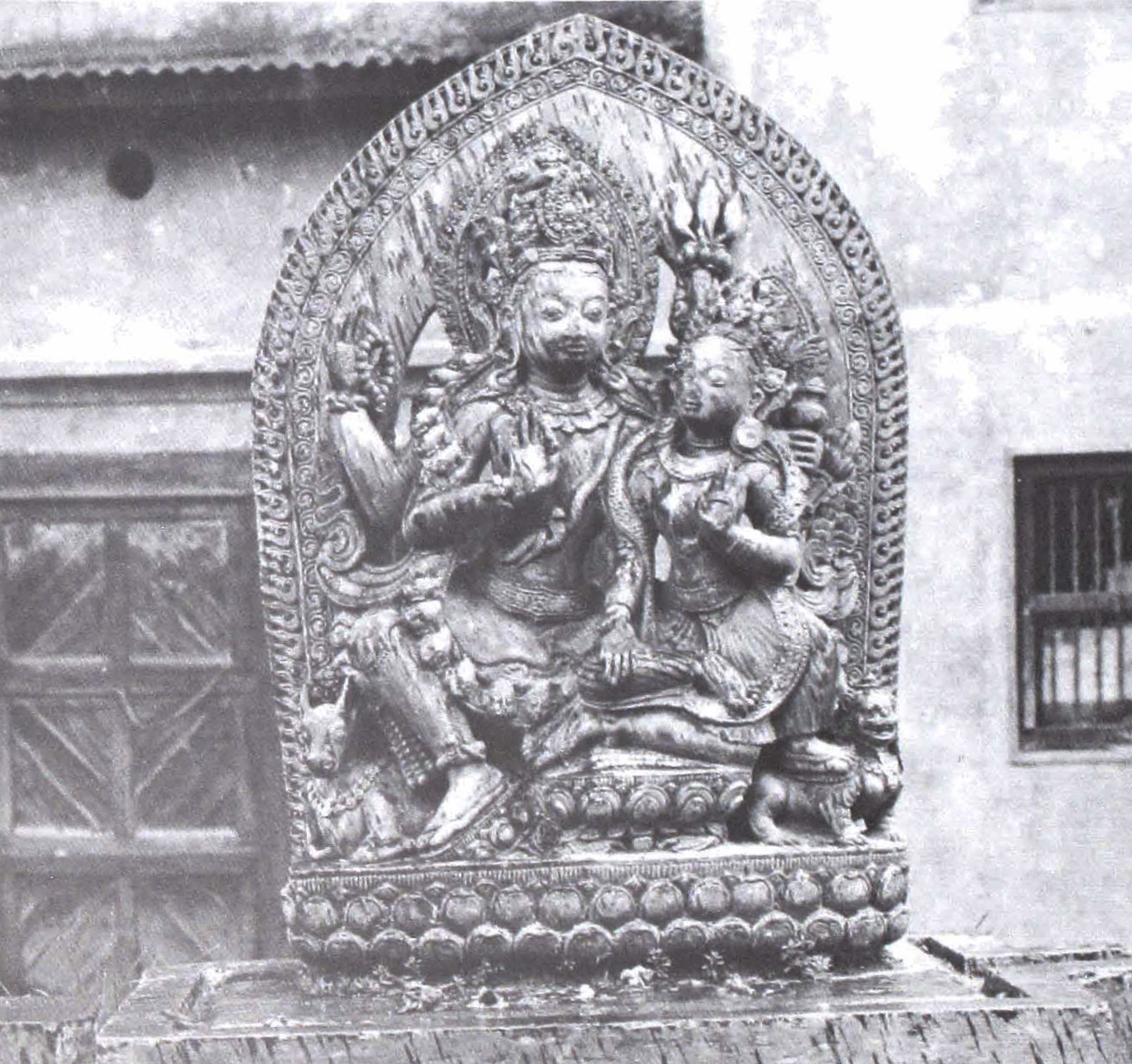
A statue of an 18th century Uma-Maheshvara in Sundhara, Patan. Photo: Courtesy of Stolen Images of Nepal
Hindus worship Uma-Maheshvara as Shiva and Parvati seated together, an image of cosmic balance in which feminine and masculine energies complete each other. NR Banerjee, the Indian archaeologist and art historian who studied Nepal’s art, and architecture, called it arguably the country’s most beloved iconographic theme. Artists poured their best work into it from the Lichhavi period (c 400-879 CE) through the Malla period (1200-1769 CE).
Uma-Maheshvara iconography
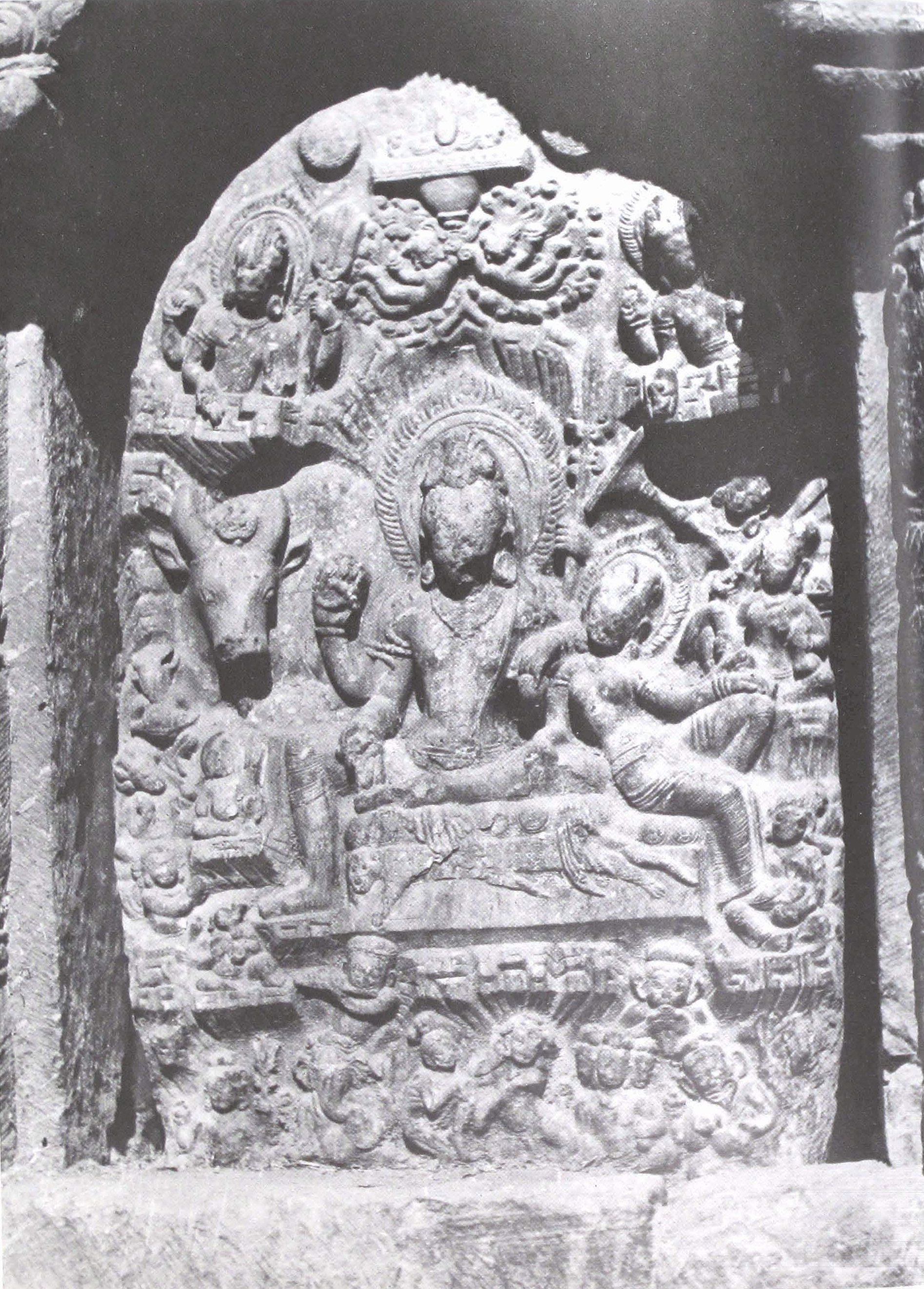
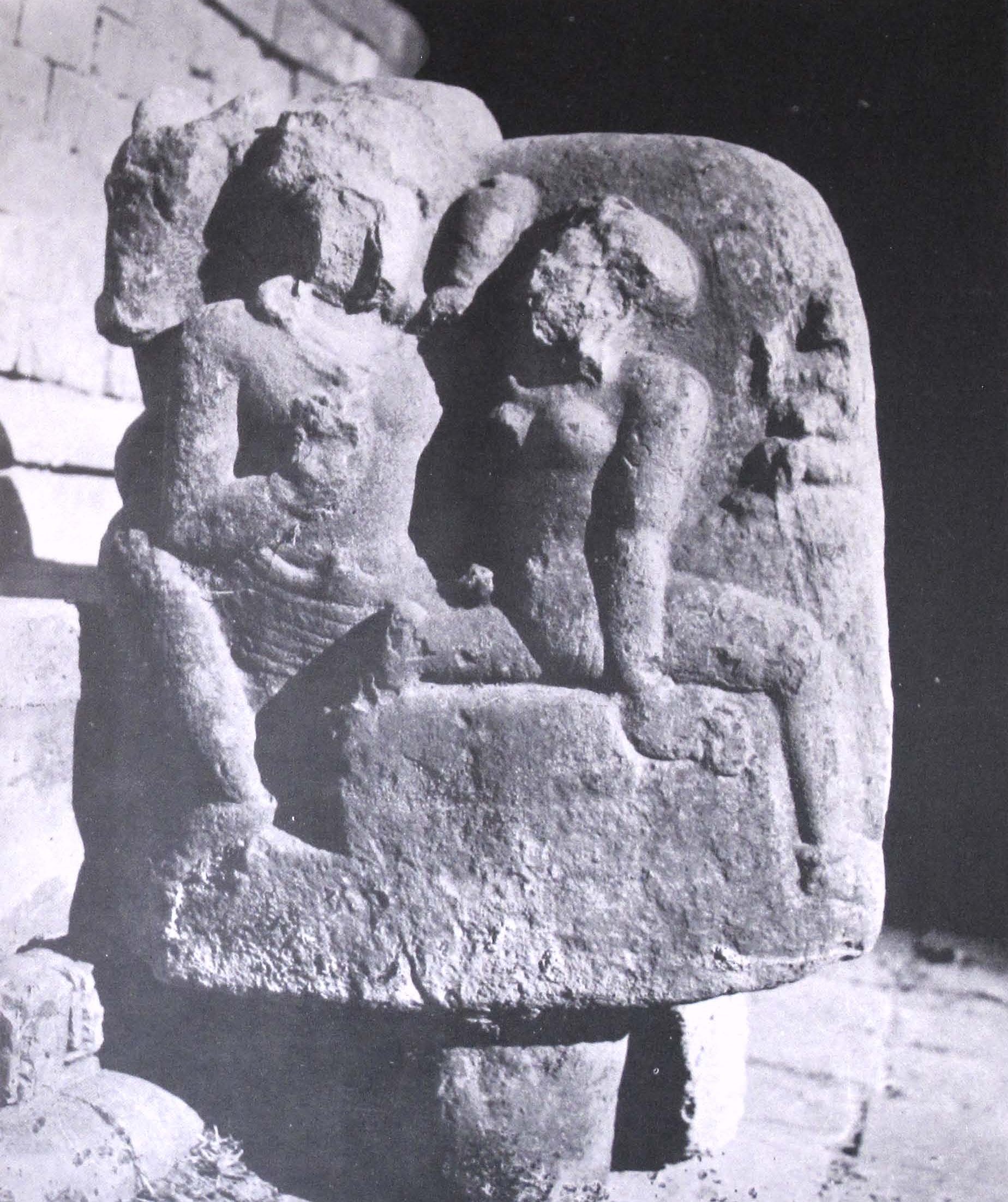
Lain Singh Bangdel, the Nepali artist and art historian, identifies the oldest surviving example as a broken relief at Patan’s Chamunda Temple, dated to the third century. It shows a simple, two-handed Shiva and Parvati seated in lalitasana, the relaxedpose with one leg pendant. Over the centuries, the iconography grew more elaborate.
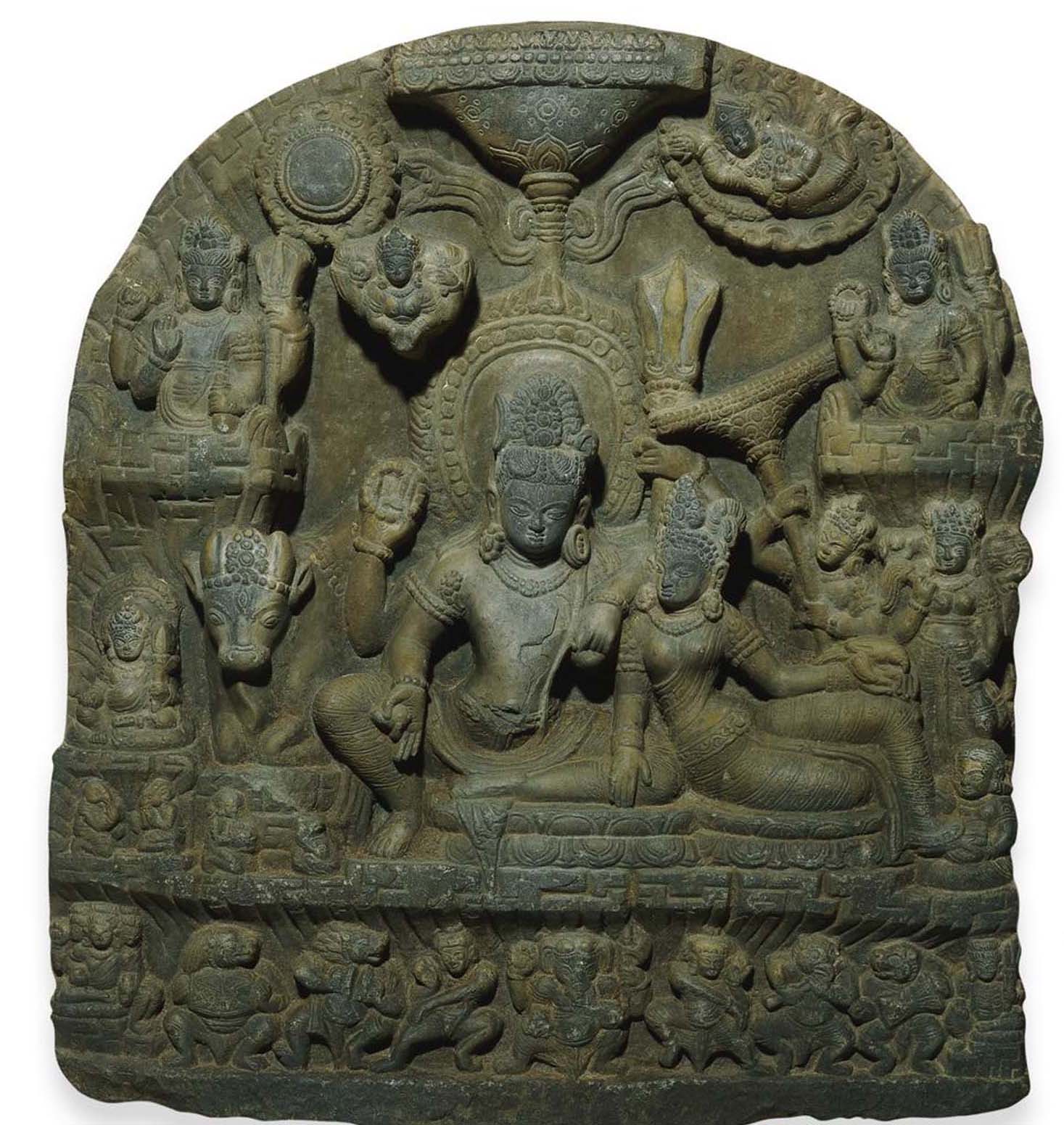
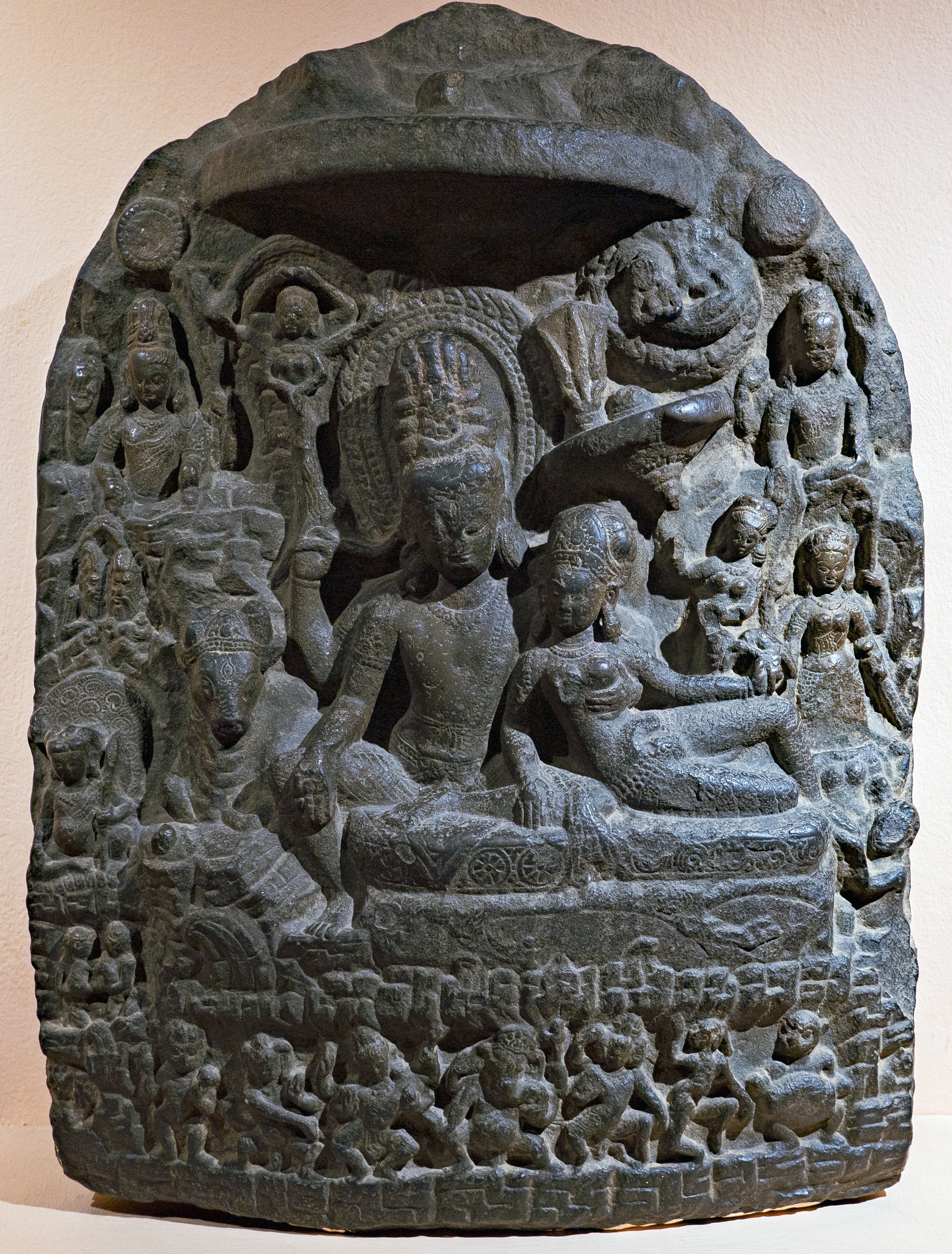
The most crowded compositions came between the 10th and 15th centuries: Uma (Parvati) seated at his left, Maheshvara (Shiva) with four hands—a rosary in one, a flower in another, his front right hand in varadamudra(granting boons) or sometimes abhayamudra(gesture of fearlessness) and another embracing her or sometimes resting on his knee. A parasol often crowns the scene, Ganga descends to the right, a celestial figure flies in with a garland, and Nandi, the bull, at his feet. Along the base, ganas, Shiva’s attendants, dance around Ganesha. Bangdel notes the waistband (udarabandha) as a distinctly Nepali marker. By the 18th century, the form had returned to quiet: a solitary pair with their mounts, the bull and the lion.
A valley tradition centuries old
Open-air stone sculptures like these have been vanishing from Nepal’s valleys since the 1960s. Until the night each disappeared, it stood in temple courtyards or above a hiti, where neighbours collected water, offered flowers and abhir, and prayed for harmony and prosperity.
The Uma-Maheshvara of Ganesh Temple, Pulchowk, 12th century, stolen in 1985. Photo: Courtesy of Stolen Images of Nepal
Kanak Mani Dixit, the writer and founding editor of Himal Southasian, wrote in ‘Gods in Exile’ (1999) that the craftsmanship that makes these images devotionally powerful also made them desirable to collectors. An 11th-century Uma-Maheshvara image above a hitiat Nasamana, Bhaktapur, vanished on 23 May, 1984 and now sits in Paris’s Musée Guimet. No replica was installed, and the spout has stood empty since.
Once stolen, the daily ritual does not travel with the object. A living presence becomes an exhibit behind glass, cut off from the community that gave it meaning.
The record of loss and the returns
The Uma-Maheshvara of Thapahiti, Patan, which is currently at the British Museum. Photo: Courtesy of Stolen Images of Nepal
Bangdel’s 1989 book ‘Stolen Images of Nepal’ documented 15 missing Uma-Maheshvara statues. Three have since been recovered locally, three returned from abroad, and nine remain unidentified. Some cases:
Wotu, Dhulikhel: Stolen in 1982 and purchased by Berlin’s Museum für Indische Kunst in 1985, it was returned to Nepal on 28 August 2000. Judged as too insecure for the shrine, it sits in the Patan Museum while a replica receives daily worship.
Gahiti, Patan: Stolen in the mid-1960s, it reached the Denver Art Museum on loan in the 1970s and as a gift in 1980. The museum returned it in September, 2021. It currently sits at the National Museum, Chhauni.
Chyasa Falcha, Patan: The group Lost Arts of Nepal identified this 1588 statue from a 1970 photograph. The Brooklyn Museum, which had held it since 1991, returned it on 31 January, 2024. It has been reinstalled at its shrine.
Thapahiti, Patan: Stolen in the late 1960s and replaced by a replica, the original is in the British Museum, which lists a 1970 purchase from Spink and Son Ltd. Matched in May 2023, it prompted the Department of Archaeology to write to the relevant parties in September. The museum has given no verified response.
The oldest surviving Uma-Maheshvara at Chamunda Temple, Patan, 3rd century. Photo: Courtesy of Stolen Images of Nepal
The law is on Nepal’s side. The Ancient Monument Preservation Act, 1956, bars exporting, relocating or collecting any historical or artistic object without government approval. A museum that bought from a dealer, a dealer who bought it from a smuggler, who took it from an active shrine, holds stolen property, however many hands it passed through. A thief cannot sell what he never owned, and institutions claiming good faith should explain why so many resist publishing full provenance. A clean transaction has nothing to hide.
Nor is restitution a gift. Returning a stolen deity is not charity extended to Nepal. It’s a correction of something that should never have happened in the first place.
Following the trail
The search is growing. An inventory of what is missing helps investigators, journalists and groups like Lost Arts of Nepal match images against catalogues and collections before the Department of Archaeology, which has legal standing, makes the formal claim. Ordinary travellers help as well. Someone who photographs an unmistakably Nepali object abroad and sends it to a scholar has already set off real cases.
Uma-Maheshvara from Wotu, Dhulikhel, currently housed at Patan Museum. Photo: Courtesy of Stolen Images of Nepal
Replicas, like the 50 in the Rabindra Puri Foundation’s Museum of Stolen Arts, keep the losses visible. A replica can keep the worship alive, as at Wotu, but it is a stopgap, not a remedy. Museums with gaps in their ownership history should not wait for Nepal to prove its claim. They should open their files and let the evidence lead them home.
Transit to the real place
Our heritage is living, and a successful return should not end with the statue sitting in a museum, just a Nepali one instead of a foreign one. These objects have been away for decades, and the absence has not stopped hurting because the state has grown used to it. For a deity worshipped every morning, a glass case in Kathmandu offers no more connection than one abroad. The distance that matters is devotional, not geographic.
Reinstallation at the original shrine is the only recovery that restores what was lost. The statues most deserving of celebration aren’t the ones that made it back to Nepal. They’re the ones that made it back to the shrine.




 11.12°C Kathmandu