Sudurpaschim assembly spends Rs140 million but passes no bills and budget
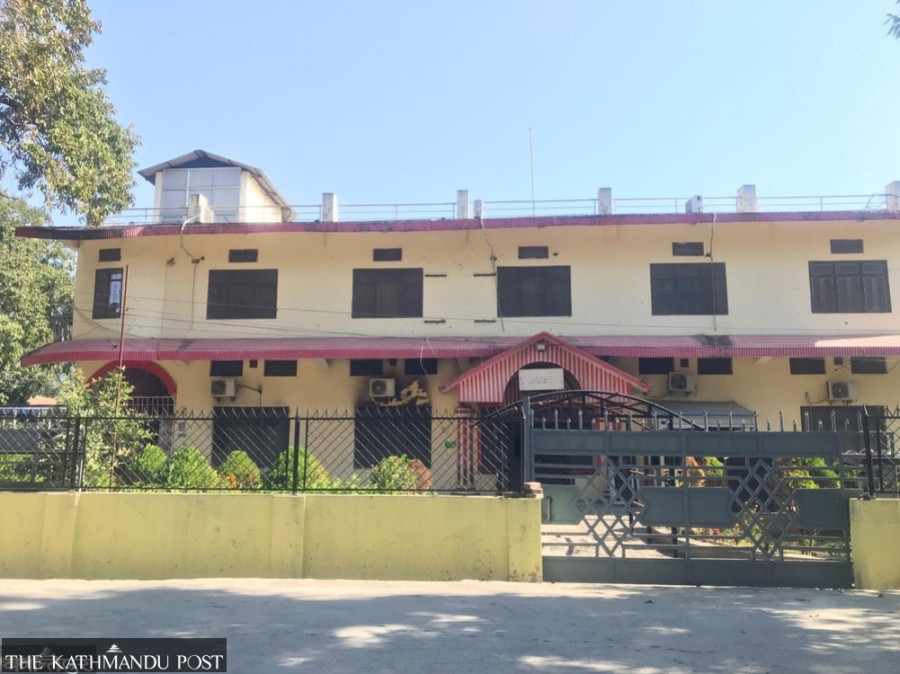
Members say lawmaking was a priority neither for the provincial government nor the assembly. 23 bills were registered in Sudurpaschim Province Assembly in nearly four years, but only 16 were passed—13 amendment bills and three full bills among them. File Photo.
The Sudurpashchim Provincial Assembly spent Rs140.2 million in the fiscal year 2025-26 but failed to pass a single bill. It also failed to approve the annual budget for the current fiscal year, pushing the province into a financial vacuum.
The assembly secretariat said the provincial government registered two full and three amendment bills in 2025-26. Only two amendment bills were passed.
“Not a single full bill could be passed,” said Yubaraj Jaisi, information officer at the Provincial Assembly Secretariat. Nine bills, including two full bills registered last fiscal year, remain under consideration. Among them seven bills were sent to the respective committees.
According to Speaker Bhim Bahadur Bhandari, the assembly held 30 meetings during three sessions last fiscal year—eight in the sixth, five in the seventh and 17 in the eighth sessions. The irregular functioning of the provincial assembly has affected the lawmaking process. The assembly members claimed that lawmaking had not been a priority for either the provincial government or the assembly.
“Recent sessions have been affected by struggles for power. Various bills are stuck in committees, and bills already tabled have not moved through discussions quickly,” said Meghraj Khadka, an assembly member elected from the Nepali Congress. “The assembly members have not been given an environment in which they can play an effective role.”
Nepali Communist Party member Shiva Singh Oli blamed poor coordination between the provincial executive and assembly.
“A tradition has developed in which the government does not take seriously even the issues raised by assembly members,” he said. “The committees have also failed to become effective or connect with the public. A lot of legal work needs to be done, but it has not happened.”
Data provided by the Provincial Treasury and Comptroller Office reveals that the assembly incurred a total expenditure of Rs140.23 million over the fiscal year. These taxpayer funds were disbursed to cover salaries for assembly members and their personal secretarial staff, administrative upkeep, meeting allowances, vehicle maintenance, and fuel expenses.
Despite these expenditures, legislative productivity remained abysmal. According to Jaisi, the government registered two full bills and three amendment bills in the assembly during 2025-26. The only legislative achievements were the approval of the Sudurpaschim Province Local Service (Formation and Operation) First Amendment Bill and an amendment to the 2018 Act on Assembly Secretariat Management.
The slowdown comes as the province faces another budget crisis. The assembly has failed to endorse the budget for the fiscal year 2026-27, leaving government spending paralysed. A protracted dispute between the Nepali Congress-led government and coalition partner CPN-UML had stalled deliberations. The UML rejected the budget.
Chief Minister Kamal Bahadur Shah then dismissed four UML ministers, after which the party withdrew support, leaving his government in a minority.
The lawmaking record is weak even across the current assembly’s second term. Jaisi said 23 bills were registered in nearly four years, but only 16 were passed—13 amendment bills and three full bills among them.




 15.66°C Kathmandu