Chitwan farmers face a race against rain and wild elephants
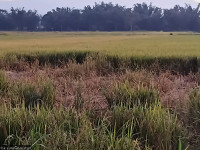
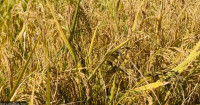
Rain forecasts are delaying the harvest in Madi, but waiting leaves ripe paddy vulnerable to elephant raids. A paddy field partially damaged by elephant's 'encroachment' in Madi, Chitwan Ramesh Kumar Paudel/TKP
Laxmi Adhikari faces a difficult choice. If she harvests her one-bigha (about 6,773 square metres) paddy field now, rain could damage the crop. If she waits, wild elephants emerging from nearby Chitwan National Park could eat and trample it before she can bring it in.
“My paddy field is in a terrible state. I don’t even feel like going to look at it,” she said in frustration.
Elephants have raided her fields in previous years, but the damage has been particularly severe this season. One 10-kattha plot (about 3,387 square metres) was expected to yield 35 to 40 muri of paddy (about 1.8 to 2.1 tonnes), but the elephants have eaten and trampled so much that little may be left to harvest, she said. Other plots have suffered similar damage.
Adhikari fears losing a crop on which she spent Rs40,000.
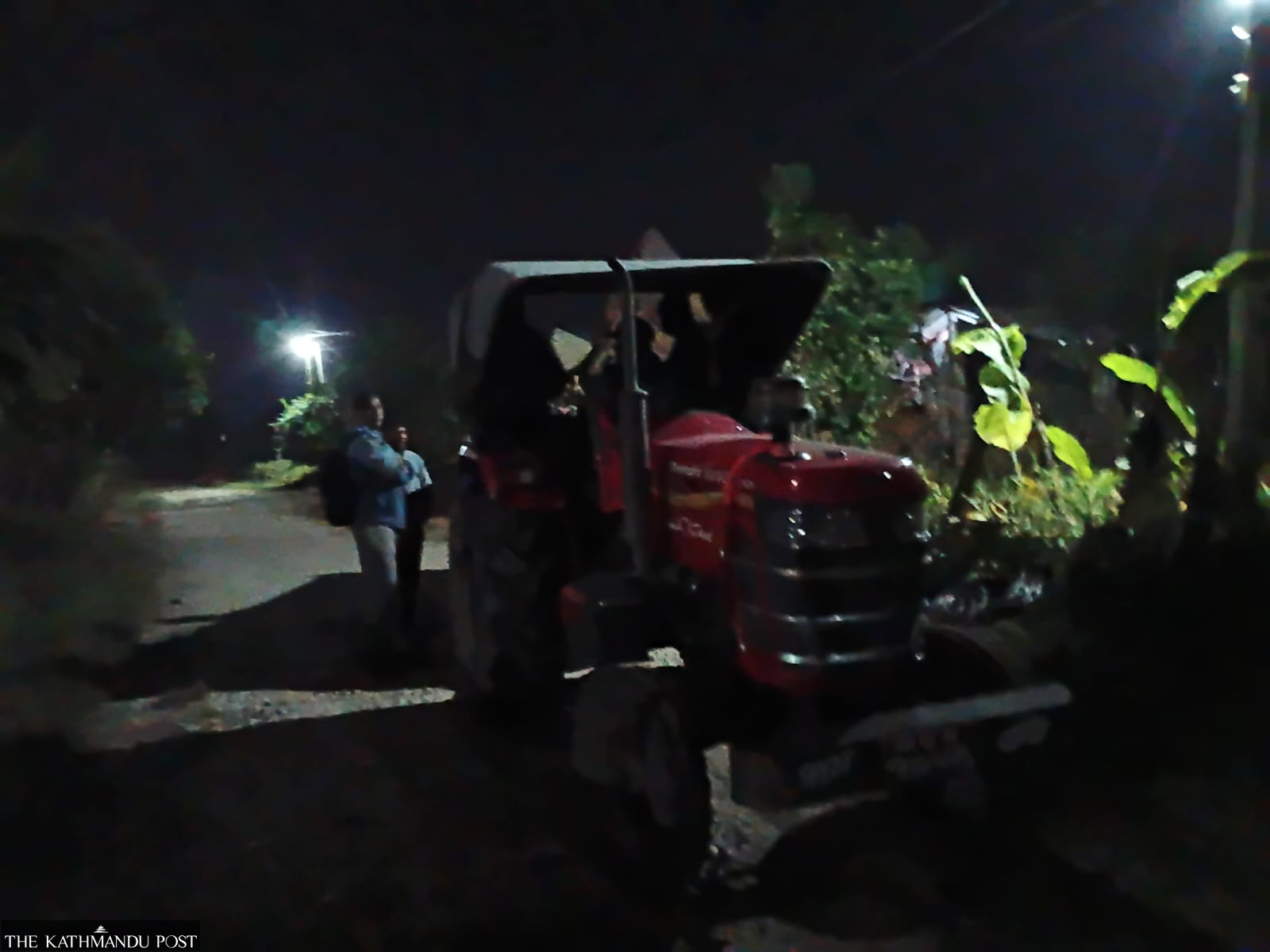
A tractor used to chase elephants when they enter the paddy field. Villagers have had to stay awake through the night to protect their fields, even after driving the elephants away. Ramesh Kumar Paudel/TKP
Her fields in Harinagar, in Madi Municipality-6, lie next to Chitwan National Park, within the area covered by the Rewa Buffer Zone Users Committee. She is not the only farmer facing losses.
Suryakanta Khanal, office secretary of the Rewa committee, said elephants began raiding paddy fields on Vijaya Dashami, the main day of the Hindu festival Dashain. They enter the fields before nightfall, he said.
“There are two wild elephants, one large and one smaller. We are not sure whether one is male and the other female. They flee when chased away, but we never know when they will return and damage the crops again,” Khanal said.
Villagers have had to stay awake through the night to protect their fields, even after driving the elephants away. Chasing them is difficult and particularly dangerous in the dark, prompting the Nepal Army to assist.
Park authorities and soldiers deployed to protect the national park have joined efforts to drive the elephants away. Villagers have also hired two tractors to help chase them off, Khanal said.
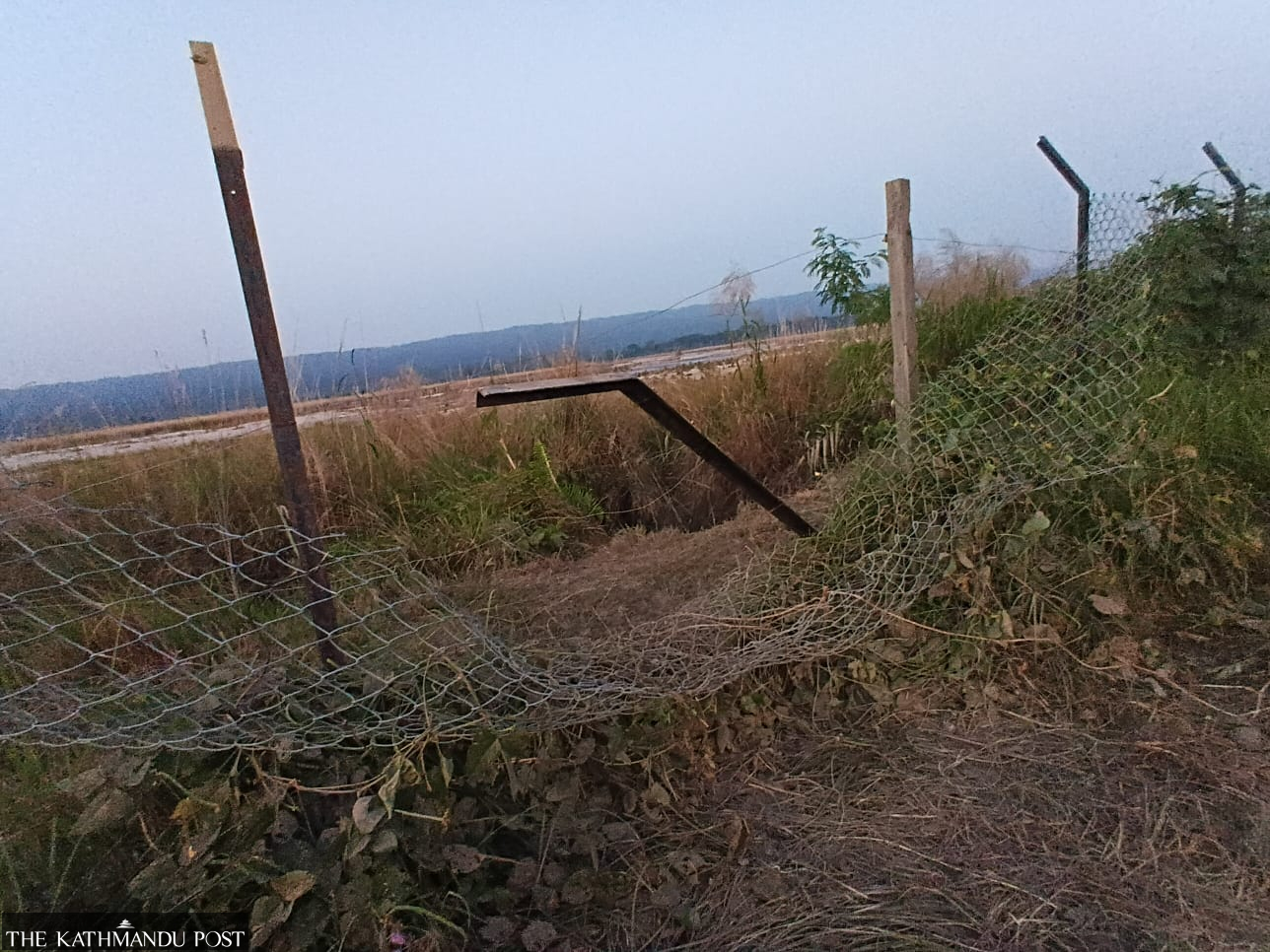
The fence damaged by the wild elephants which enter the paddy fields. Ramesh Kumar Paudel/TKP
Paddy has grown well in Harinagar, beside the Reu river along the park boundary, and around 100 bighas (about 67.7 hectares) of farmland in the area are ready for harvest. Khanal fears elephants could damage crops across at least 50 bighas (about 33.9 hectares).
Rain forecasts have made harvesting more difficult, leaving farmers caught between the risk of wet crops and further elephant raids.
The elephants have also damaged barriers designed to keep wildlife out of farmland and settlements. They have broken about 100 metres of electric fencing and a mesh barrier reinforced with concrete, increasing the risk of further incursions.
Shivaji Gayak, chairman of the Chitwan National Park Buffer Zone Management Committee and a Madi resident, said elephants are particularly attracted to ripening paddy, making the harvest season especially vulnerable.
The problem recurs every year in settlements bordering the park, he said. In Madi, the affected area stretches from Ayodhyapuri in the north-east to Panchapandav.
“Elephants rarely enter many fields in Ayodhyapuri because there is a relatively high embankment there. Other areas do not have that protection,” Gayak said.
Authorities have yet to establish the full extent of this season’s damage. Gayak said there had been no reports of similarly extensive losses elsewhere in the area, although the situation in Harinagar remained serious. The local administration and security personnel have been kept on standby.




 19.72°C Kathmandu