In ‘Shree Bijjo Bhoot’, a daughter’s search and a mother’s wait
Blending local folklore, humour and music, the play tells a story of absence and longing while questioning how society judges men and women differently.Courtesy of Mandala Theatre Nepal
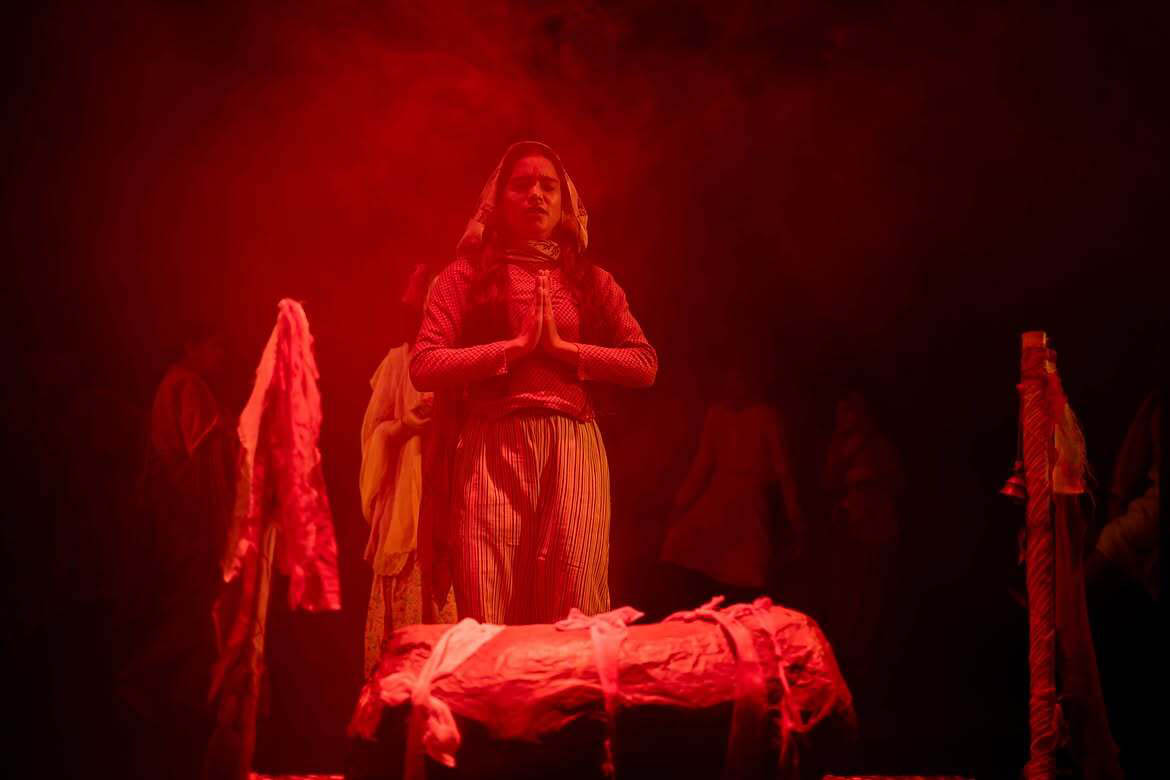
At Mandala Theatre, smoke slowly fills the stage, revealing a village scene with a herd of goats as Gauri grazes them against a misty blue mountain backdrop.
Set in Nidlaad village, Dadeldhura, ‘Shree Bijjo Bhoot’ introduces a folkloric world where men and women are viewed through a different lens.
Written by Diwas Nath and directed by Buddhi Tamang and Akash Nepali, the play offers an aesthetic, cinematic portrayal of the local beliefs and cultural traditions of Sudurpaschim.
According to Nepali, “Women’s empowerment and their position in the region remain central to the story.” Meanwhile, rather than dismissing the belief in ‘Bijjo Bhoot’ as superstition, writer Nath treats these myths as an essential part of the character’s cultural reality.
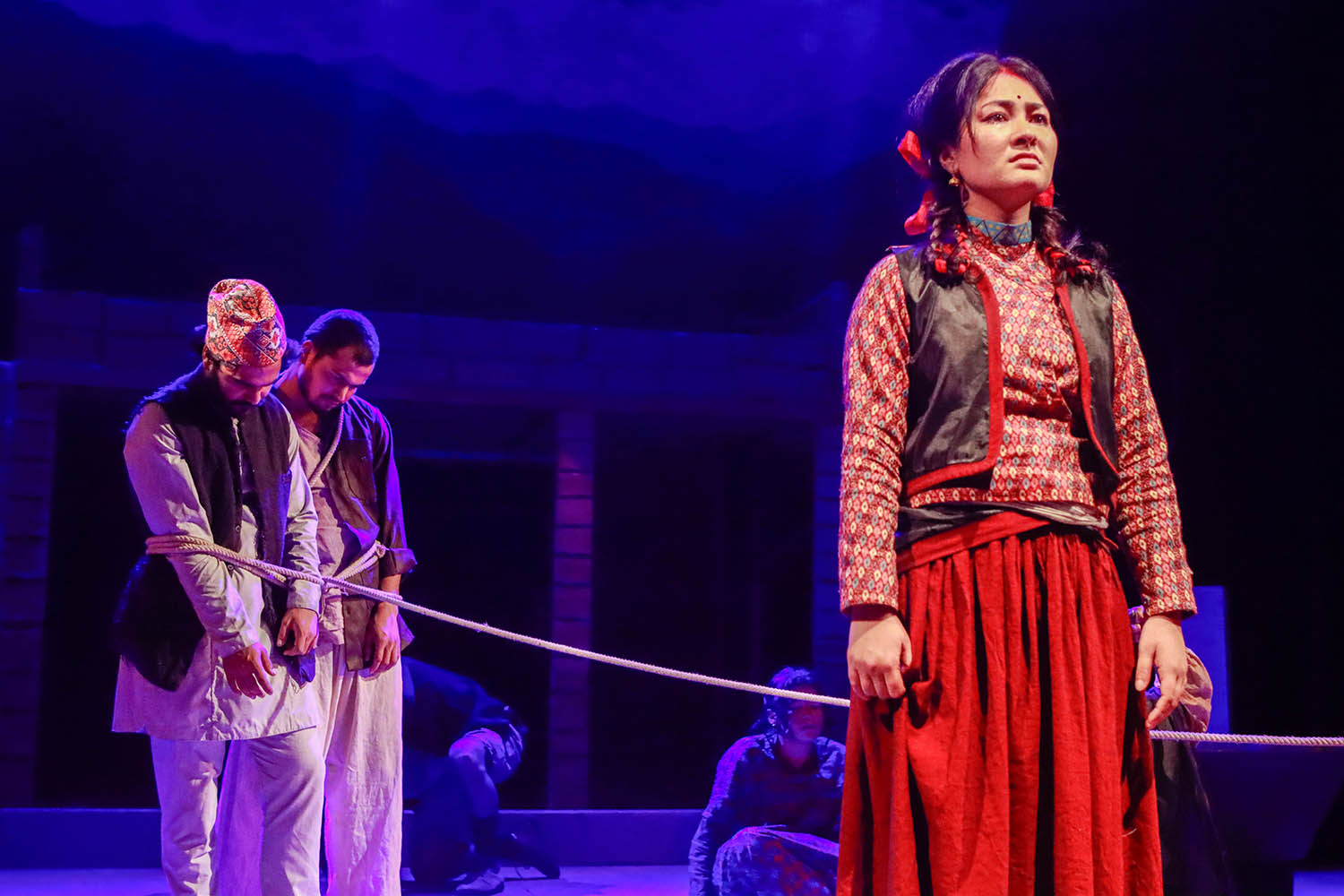
The story follows the protagonist, Gauri (Sushmita Kunwar), an unmarried young woman who sets out for ‘Bambai’ (now Mumbai) in search of her father, Ram Chandra, who left for work years ago and never returned.
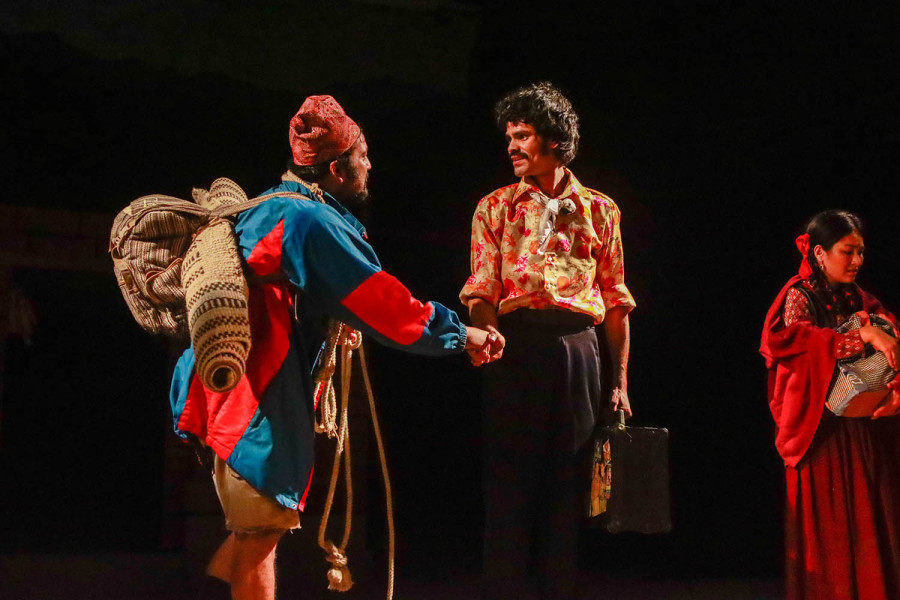
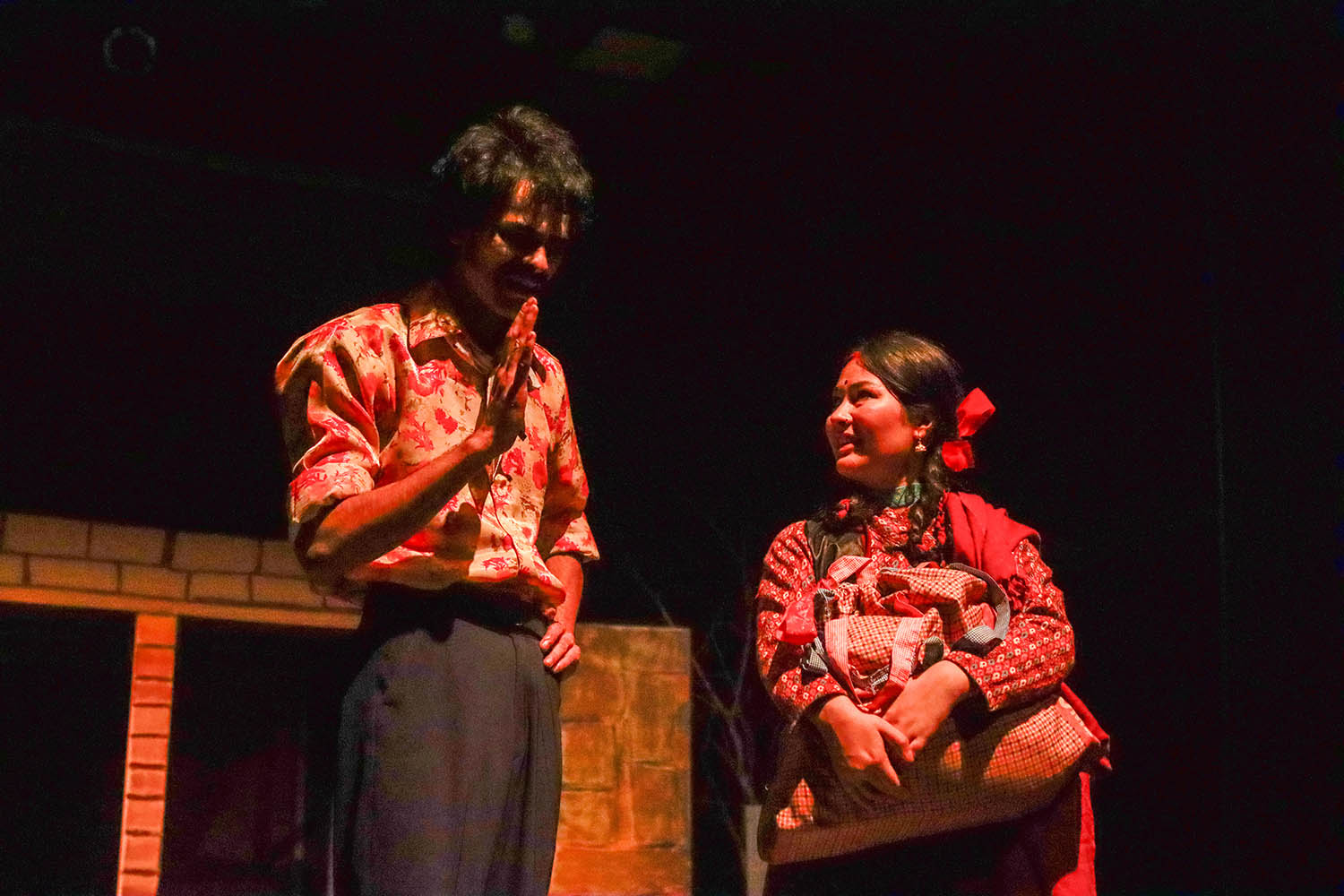
She carries a warmth and innocence within her that eventually makes her vulnerable to exploitation. Her trust is tested when she encounters Hari (Aaditya Mishra), a man from Bambai. Hari’s Bollywood-inspired costume, reminiscent of Amitabh Bachchan’s style, distinguishes him from the village characters. He easily wins Gauri’s trust by claiming to have met her father and persuades her to travel with him in search of him.
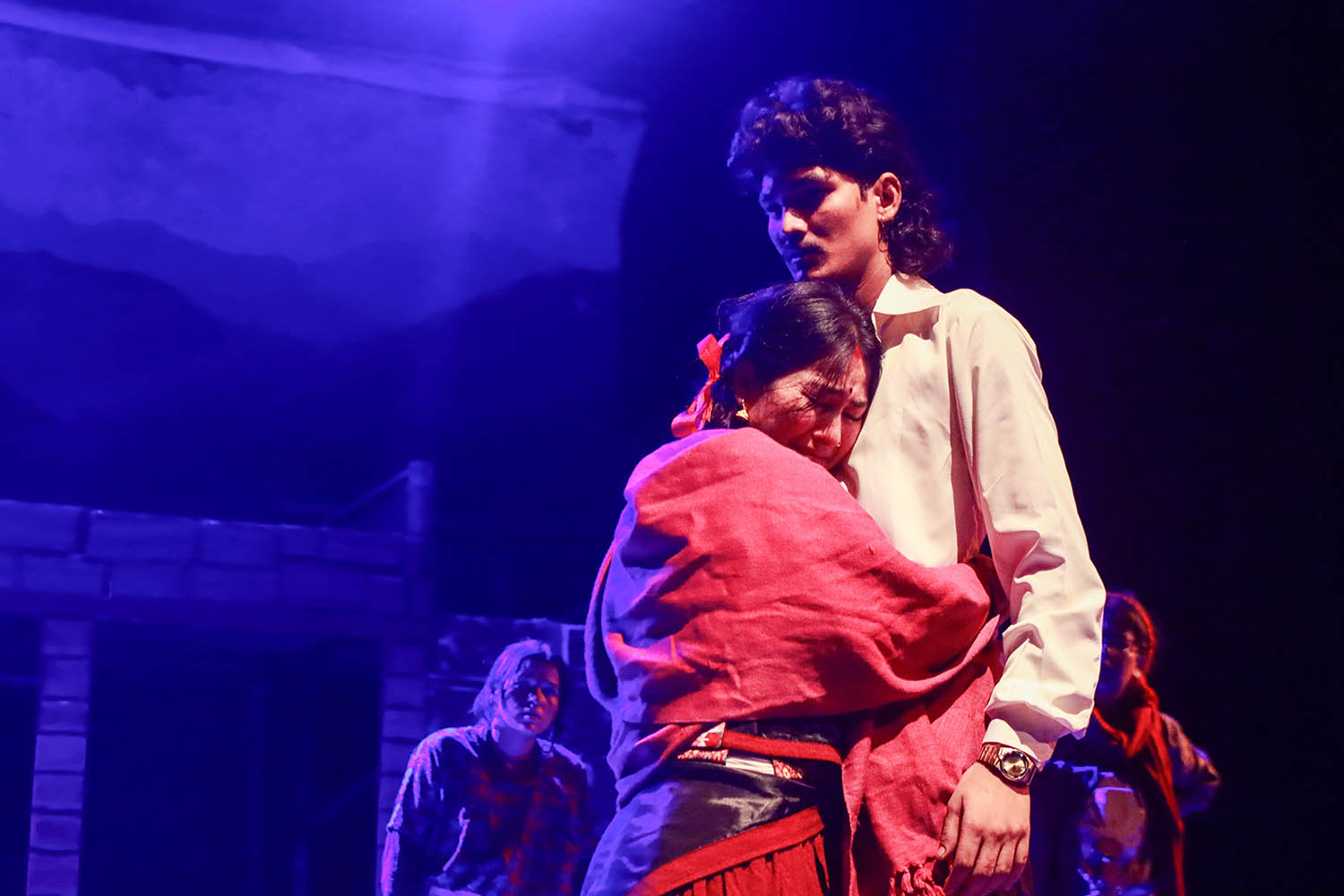
Gauri’s longing for her father also mirrors her mother’s wait for her absent husband. But her longing extends beyond her father, as she also waits for the return of the man she loves.
Gauri’s yearning journey is shaped by two absences: the father she hopes to find and Dhirendra (Bhupi Luhar), whom she waits eagerly for and hopes to marry.
Their shared wait reflects a long history of migration between Sudurpashchim and India, where journeys for work meant leaving loved ones behind.
In the play, Bambai carries different meanings for different characters. For Gauri, it is the destination where she hopes to find her father. For her mother, it is a place associated with the memory of her husband, who never returned. For Hari, it becomes a place where he imagines building a future with her.
As Hari and Gauri spend more time together, his feelings for her begin to grow, complicating the deception that brought them together.
At the heart of the village’s folklore is Bijjo Bhoot, a supernatural figure associated with mysterious events, believed to exist both as a ghost and as a godlike protector. One local belief holds that goats often helped to return things that have gone missing. This myth is repeatedly invoked throughout the village, while humour, music and the recurring presence of goats bring the belief into the theatrical world.
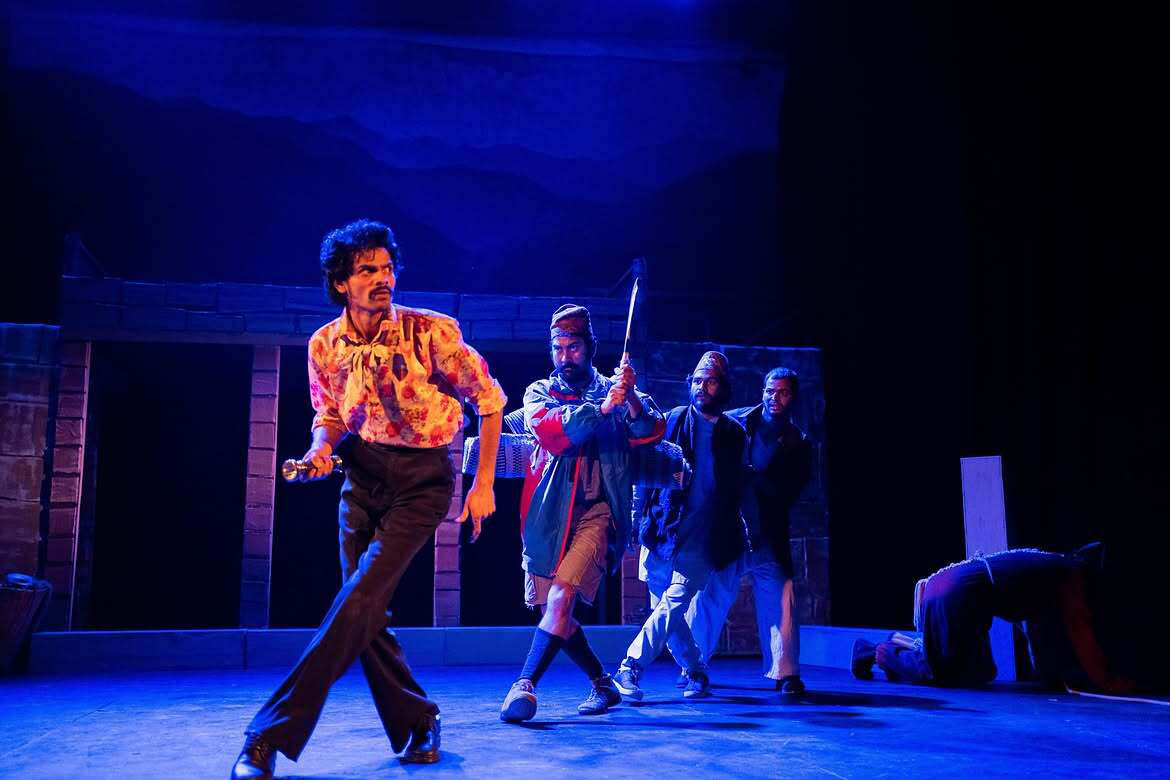
This belief takes shape when two characters are tied up with a rope by a goat after attempting a robbery. The scene shows how Bijjo Bhoot, through the goat, acts as a protector of the village and its people.
Humour runs throughout the play, providing relief alongside serious concerns. The goats, however, become a major attraction, leaving the audience laughing.
The use of Doteli language adds authenticity and grounds its characters and folklore in the cultural setting of Sudurpashchim.
Sushmita Kunwar’s portrayal of Gauri anchors the play, particularly through her warmth, trust and emotional attachment to the people she leaves behind, making her experiences recognisable to many women. Her character also makes the audience raise questions about the trust women place in men, particularly when that trust can leave them vulnerable to manipulation. Gauri’s mother further expands this theme through her own long wait for her husband, showing how women’s lives in the play are shaped by the absence and choices of men.
The emotional shifts in the play also create moments of catharsis, particularly as Gauri confronts the absences and disappointments that have shaped her journey.
The ending puts the question directly “If society is the same for men and women, then why are they seen differently?”. Gauri’s question captures the play’s larger concern with the different standards through which men and women are viewed.
This question becomes more pronounced when Dhirendra returns, forcing Gauri’s long wait and her choices to be confronted rather than simply romanticised. Yet Dhirendra’s response feels more like an acceptance shaped by social expectations than a genuine understanding of Gauri’s feelings, leaving their relationship somewhat unsettled.
The play circles back to its opening, but this time with a more mature Gauri.
It leaves a larger question: when will stories about gender move beyond familiar narratives and take the conversation forward? ________________________________________
Shree Bijjo Bhoot
Directed by: Buddhi Tamang and Akash Nepali Writer: Diwas Nath Where: Mandala Theatre, Thapagaun When: Until October 11 Duration: 1hr 20min




 19.24°C Kathmandu