



 18.28°C Kathmandu

Tue, Oct 27, 2026
Culture & Lifestyle
How Miss Nepal Cosmo 2026 Kashis Subba turned self-doubt into confidence
From questioning whether she belonged in pageantry to winning the crown, Subba says growth came from confronting her fears.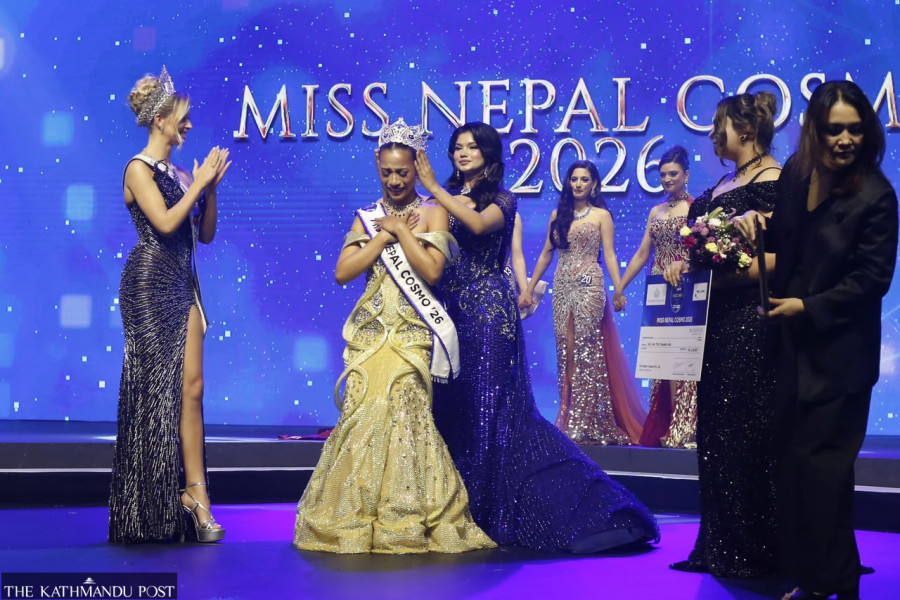
bookmark
Jony Nepal & Rivash Rijal
Published at : August 7, 2026
Updated at : August 7, 2026 07:27
Kashis Subba, 21, is a fashion model and stylist with a Diploma in Fashion Design. She has spent the last four years building her name in Nepal's fashion industry, earning titles such as ‘Face of Nepal 2023’ and ‘Model of the Year 2025’.
Crowned Miss Nepal Cosmo 2026, she now hopes to build an international career in fashion while inspiring young people to pursue their dreams fearlessly and grow into the best versions of themselves.
In this conversation with the Post’s Jony Nepal and Rivash Rijal, Subba talks about embracing vulnerability, preparing for Miss Nepal and using the platform to represent Nepal on the international stage.
What was the biggest inspiration in starting your pageant journey?
Growing up, I used to watch pageants. After joining modelling, fashion runways, and photoshoots, I had seen a lot of opportunities, and I really loved performing on stage. But I never thought I would be a pageant girl, because I always felt like a pageant girl needs really strong speaking skills.
That changed when I saw Miss Cosmo. I realised pageants are evolving. It is not only about speaking anymore; your performance and stage presence also matter. It gave me a vision that I could also do this, that I could create impactful change for my country and community through this platform.
Even so, I doubted myself. I'm only 21, without the strong academic or professional portfolio a lot of pageant contestants have. But this year, my mentor pushed me to join Miss Nepal. Even with four years of modelling experience and representing Nepal in Korea at 18, I always felt I still had so much to learn. My mentor told me: you'll grow, you'll gain clarity on your vision, you won't just grow mentally but be able to make a real impact on people. That convinced me to give the audition, even unprepared.
What was the preparation process like?
I worked incredibly hard. For 50 days, I only slept three to four hours a night. My two mentors pushed me constantly. There were moments of doubt. Thinking I was too young, that there were so many strong contestants, and that I could always try again next year. But my mentors reframed it as my winning mindset.
I told myself that even if I did not win, working on my weaknesses and turning them into strengths would matter for my life regardless of the outcome. I tried not to carry stress through the days. During training, we had fun, we teased each other, we played. Only at home in the evenings did the real work start.
What did it feel like when you won?
Before my name was even announced, I was mentally thanking everyone. My mentors, everyone who'd supported me. I thought of my grandmother, who passed away last year; my mentor always told me that when I feel nervous or afraid, to look up and remember she's blessing me.
That day, oddly, I felt calm and confident rather than nervous. I kept thinking, whatever happens, I was brought here to grow; this is a chapter of my destiny. When they said my name, I broke down crying. I don't remember much of the actual crowning—the crown, the sash—but I still feel that emotion vividly even now.
How do you navigate social media and public scrutiny now that you've won?
Winning this title comes with huge responsibility.
The whole country and the world are watching. No one is perfect, and I've never claimed to be. What I've always said is: I'm not perfect, but I'll keep working on my weaknesses.
I honestly have not had time to look at social media since winning. The people who watched me work—my team, the makeup artists, everyone at Hidden Treasure—they saw my effort and supported me. If criticism came from someone who actually knows me closely, it would affect me. But strangers judging a single moment who do not know the full story do not matter. Even in an imperfect moment, I showed courage by standing for myself. That is what I'm proud of.
What difference has the platform actually made?
I'm about to represent my country in Vietnam. The people there already show me so much love and support. Whether I'm competing, performing, or just introducing myself as Nepali, I feel like I'm making a real impact representing my country internationally.
What impact do you believe fashion has on your self-expression and identity?
Fashion has been part of me since childhood. I used to drape my mom's shawls and put on my own fashion shows at home, walking an imaginary ramp. One day I'd want to be a tomboy in baggy clothes, the next day I would want to be a Barbie. I have always liked being creative with my looks. I think that's just my personality.
What are your short-term and long-term goals?
No one in my family was in the fashion or glamour field, but somehow destiny kept drawing me here. To become a model, and now Miss Nepal.
I always wanted to serve my community and do good for my people, but I had not imagined it would be through this platform. Now that I have it, it feels like this is my purpose. Not just for myself, but for the people around me.
I have never been an academic person. Studying was never easy for me. But Miss Nepal demanded a different kind of discipline: photoshoots, runway work, working under pressure, sometimes until three or four in the morning, and I found I had endless energy for it. Preparing for this actually made me work harder than I ever did for school, and I realised that if I build a habit around something, it becomes easier.
I genuinely enjoy this work, and I believe it can create real impact. So my long-term goal is to keep going in this direction, even though the future is never fully certain.
Jony Nepal
Nepal is a culture and lifestyle reporter/sub-editor at the Post. She is also a Psychology and English literature student.
Rivash Rijal
Rivash Rijal is a culture and lifestyle intern at the post. He is also a rising senior at St John's College in Santa Fe, NM. He will be graduating from the class of 2027 with a BA in Philosophy, Literature and Natural Sciences.


Most Read from Culture & Lifestyle
Editor's Picks

What to know about the US trial over Mamta Kafle’s disappearance
NPL returns with bigger ambitions and global recognition
What’s new in the Nepal Premier League’s third season?

After Nepal’s recent disaster, it wants to test whether COP31 can deliver climate justice

Why does an hour long flight to Dhangadhi cost more than a flight to New Delhi?
E-PAPER | October 27, 2026

×