Over the years, many youths from Kathmandu are joining running clubs as a part of their regular fitness routines. With Instagram, Facebook, TikTok and Strava popularising the trend, individuals gather mostly to enhance fitness and community, occasionally aligned with charity purposes.
As this active outdoor culture is fostering a community of health conscious individuals, questions remain regarding those it can cater to with its monetary membership requirements.
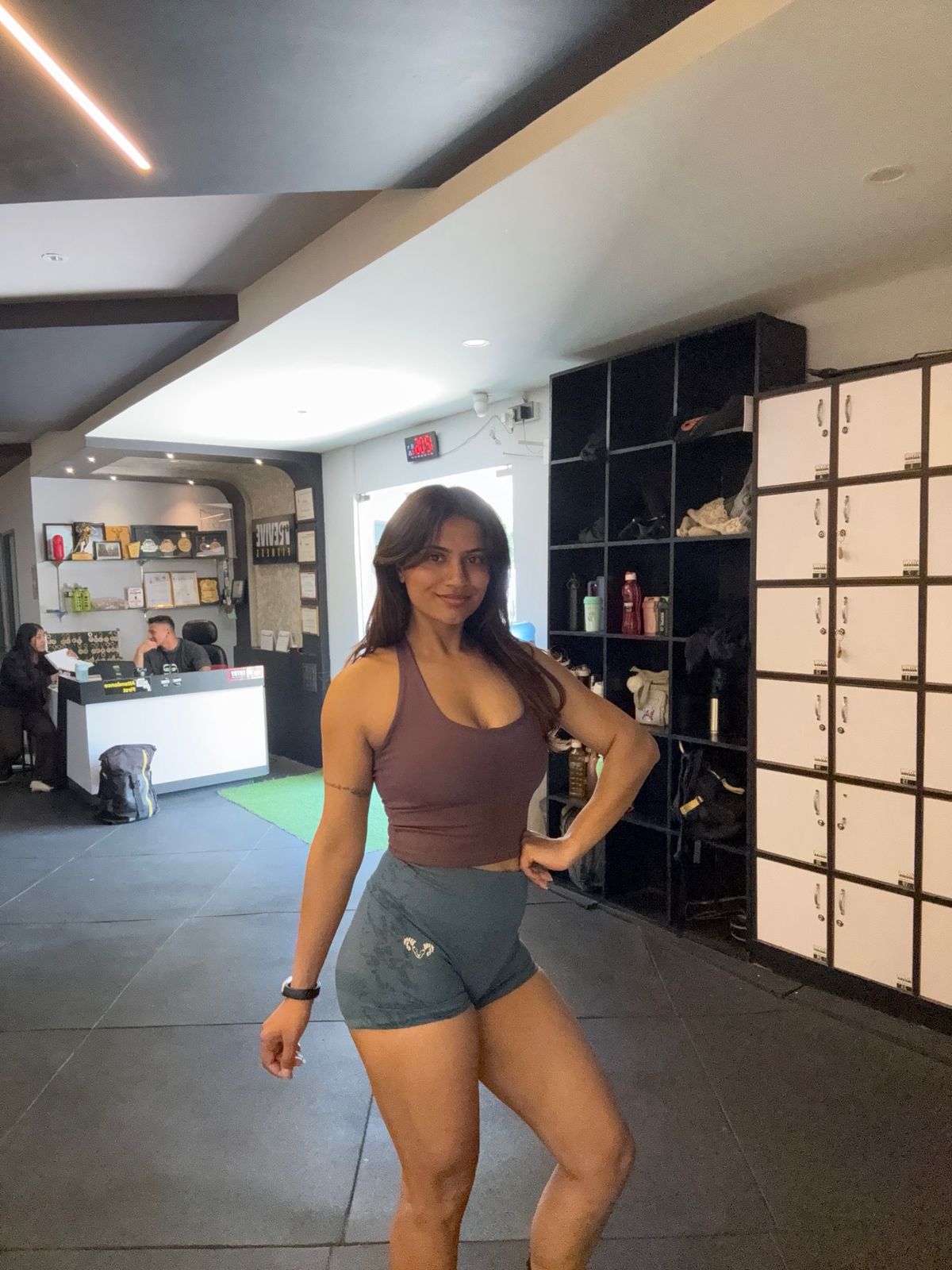
Kabita Kharel, the founder of Revive Fitness and the owner of Revive Supplements discusses the rise of running clubs in Kathmandu, popular routes, mental health benefits and the membership process.
Why are young people turning to running specifically, over gyms or other sports?
It is happening for several reasons rather than just a growing interest in fitness.
Many young adults work or study long hours and spend much of their time online. Running clubs offer a chance to meet people with similar interests, make friends, and build a routine. For many, the social aspect is as important as the exercise. Unlike other sports, running requires relatively little equipment—a good pair of shoes and comfortable clothing. This makes it accessible to students and young professionals.
Awareness of mental health, cardiovascular fitness, and healthy lifestyles has increased especially after COVID 19. People are more aware about health and fitness all around the world including Nepal. Running is seen as an effective way to reduce stress, improve mood, and stay fit without needing a gym membership.
Instagram, Strava, and TikTok have made running more visible. Sharing race medals, sunrise runs, personal bests, and group photos has encouraged others to join. Kathmandu now hosts more road races, charity runs, and trail-running events than it did a decade ago. These events give runners goals to train for and create excitement around the sport.
Most clubs meet early in the morning or on weekends, making it easy for office workers, entrepreneurs, and students to participate before starting their day. Many members say they initially joined to improve fitness but stayed because running helped them manage stress, anxiety, and work pressure. Group runs also reduce the isolation that some young people experience.
Kathmandu has a large population of young professionals and university students, growing fitness awareness, and an active outdoor culture. Running clubs combine exercise, networking, and recreation in a city where people often seek activities that don’t require expensive memberships.
How much of this is about fitness versus social life?
The answer is both—but for many young people, the community is what keeps them coming back. Group runs create a welcoming environment where everyone—from beginners to experienced runners—can participate. Social media amplifies this sense of belonging by showcasing group photos, achievements, and shared experiences.
Over time, the community becomes the reason they stay. The friendships, encouragement, and routine make it easier to keep showing up—even on days when motivation is low.
What was the running culture here like five years ago compared to now?
Five years ago, Kathmandu’s running scene was much smaller and more niche than it is today.
Earlier, Running was mainly for marathon enthusiasts - military athletes and police training . Most people ran alone for individualism.
Now it’s for everyone including youngsters, professionals, fitness enthusiasts . Today people run in large numbers. A lot of fitness platforms approach office houses, schools and other places to inspire people to stay active, organise trail runs, charity runs, 5km races and host events to attract wider audiences .
Do you think this is a lasting shift in how young Nepalis approach fitness, or a passing trend?
I think it’s more likely a lasting shift than a passing trend. This culture for me looks sustainable because fitness has become part of people’s identity.
For many young Nepalese, fitness is no longer just about losing weight. It’s becoming part of how they spend their free time, make friends, and express themselves. Running clubs, gyms, cycling groups, and hiking communities all reflect this broader lifestyle change.
Kabita Kharel Photo: Courtesy of Kabita Kharel
Health awareness is much higher than it was a decade ago. Young people are more informed about the benefits of exercise for physical and mental health. That awareness is unlikely to disappear.
However, not everyone who joins a running club today will still be running in five years. Some people are drawn by social media trends, Fear of missing out (FOMO), posting race photos and achievements
As with many lifestyle trends, some participants will lose interest once the novelty fades.
Some people say running clubs are more of an 'urban, well-off youth' thing. Would you agree with that, or is that not a fair picture?
I think there’s some truth to that observation.
The recent boom in organised running clubs in Nepal is indeed concentrated among urban, relatively well-off young adults, especially in Kathmandu. However, that doesn’t mean running itself belongs only to that group.
Organised running clubs tend to attract people who live in cities like Kathmandu, Lalitpur, or Pokhara, have predictable work or study schedules, can afford quality running shoes and sportswear, use apps like Strava or Instagram and enjoy the social aspect of group runs and have access to parks, running routes, and organised events.
In that sense, the stereotype has some basis. Running itself is much broader than running clubs. Many of these aren’t part of the social-media-driven running culture at all.
There is also a practical factor. While running is relatively inexpensive compared with many sports, participating in the club culture often involves additional costs such as race entry fees and sometimes coffee or breakfast after group runs.
In other words, the organised running-club movement may currently skew urban and middle class, while running as a sport and form of exercise is much more diverse. Those are two related but different phenomena.
Where do these runs normally happen and how can people participate?
Most organised runs in Kathmandu happen early in the morning (around 5:30–7:00 AM) on weekdays or weekends, when traffic and pollution are lower.
Some of the most popular locations include:
Tundikhel – One of the city’s classic running spots with a relatively flat route, popular for interval training and group meetups.
Bagmati Corridor – Increasingly popular because of its longer uninterrupted stretches, making it suitable for easy runs and tempo workouts.
Swayambhunath and nearby hills – A favorite for trail runners and those looking for hill training.
Patan/UN Park and Jhamsikhel area – Frequently used by running clubs based in Lalitpur.
Shivapuri National Park trails – A weekend destination for longer trail runs and endurance training.
The participation process is usually very easy.
Find a local running club through Instagram, Facebook, or Strava. For example, Kathmandu Running Club has an active Strava community that welcomes new members.
Check their weekly schedule. Many clubs post the meeting point, distance, pace groups, and start time a few days before each run.
Show up a little early with comfortable running shoes and water. Most beginner-friendly clubs don’t require membership for a first run.
Introduce yourself to the organizers. Running clubs are generally welcoming to newcomers and often divide runners into different pace groups so beginners don’t feel left behind.
Many clubs also organise more than just runs, they’ll have coffee meetups, workshops, charity runs, and race training programs, which is one reason they’ve become so popular




 16.94°C Kathmandu