Nepal and Mauritius move closer to G2G labour agreement
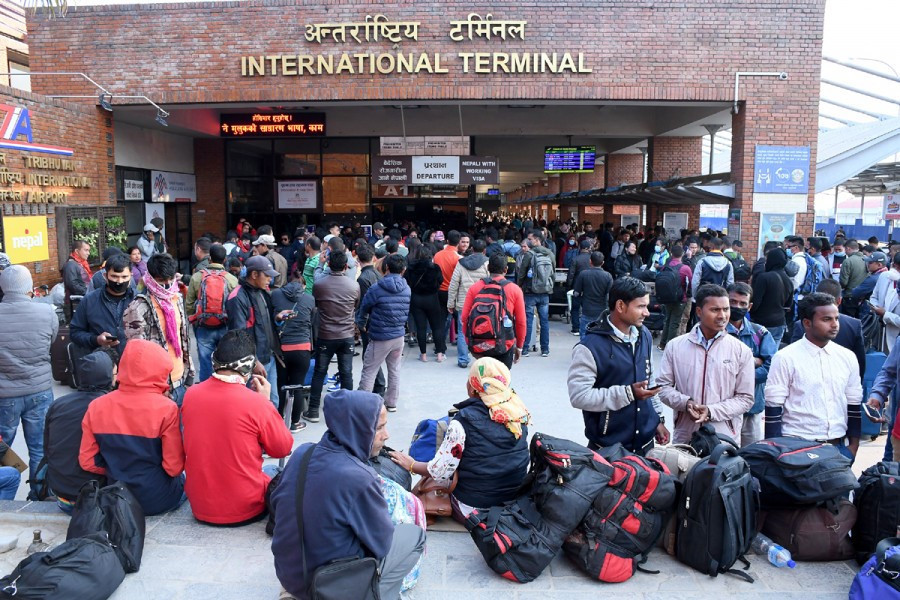
Mauritius has agreed to proceed with Nepal’s proposal for a bilateral deal to recruit Nepali workers, with provisions aimed at reducing recruitment costs and protecting migrant workers’ rights. Nepal has been seeking formal recruitment arrangements with destination countries to protect migrant workers from excessive recruitment fees, exploitation and other abuses. Post File Photo
Nepal and Mauritius have moved closer to signing a bilateral labour agreement that would allow Nepali workers to be recruited through a government-to-government (G2G) mechanism.
The High Commission of Mauritius in New Delhi formally conveyed its agreement to Nepal’s Ministry of Foreign Affairs on October 29, forwarding a revised draft of the proposed memorandum of understanding (MoU) to facilitate the recruitment of Nepali workers through the G2G system.
The proposed agreement aims to expand employment opportunities for Nepali workers in manufacturing, construction, agriculture, tourism and information technology, offering competitive salaries and benefits. It also seeks to promote safe and dignified foreign employment under the Employers Pay Principle, which requires employers, rather than workers, to bear recruitment costs.
The revised draft includes provisions for a government-led recruitment process, the selection of skilled and trained workers, and recruitment procedures in line with the laws of both countries. It also outlines employers’ responsibilities, workers’ rights and welfare provisions, and arrangements for repatriating workers after their employment contracts expire or are terminated.
The initiative follows a bilateral meeting between Nepal’s Minister for Youth, Labour and Employment Ramji Yadav and Mauritius’s Minister of Labour and Industrial Relations Mohamed Reza Cassam Uteem in Geneva, Switzerland, on June 9.
At the meeting, Yadav proposed expanding labour cooperation through a G2G mechanism. Uteem said that employers in Mauritius covered recruitment costs and expressed interest in creating more employment opportunities for Nepali workers.
He also proposed organising an international employment fair in Nepal to facilitate recruitment and strengthen labour cooperation between the two countries.
The Nepali government is now preparing to complete the necessary domestic procedures to finalise the revised draft MoU and move ahead with the proposed agreement.
The initiative is part of Nepal’s broader effort to strengthen labour diplomacy and diversify overseas employment destinations while reducing the costs and risks associated with foreign recruitment.
Nepal has been seeking formal recruitment arrangements with destination countries to protect migrant workers from excessive recruitment fees, exploitation and other abuses. The G2G mechanism is intended to give governments greater oversight of recruitment and strengthen safeguards for workers.




 19.57°C Kathmandu