Cancer drugs are not available at state-run hospitals. Elsewhere, they are sold at steep prices
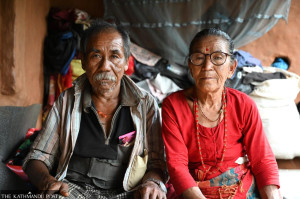
A dispute over government price caps has left hospitals without vital chemotherapy drugs, but the medicines continue to circulate in the market. Nepal saw an acute shortage of chemotherapy drugs about six months ago after their prices surged due to a rise in the cost of raw materials as a result of the West Asian conflict. Post File Photo
Cancer patients are paying exorbitant prices for platinum-based chemotherapy medicines at private pharmacies because the drugs are not available at pharmacies in state-run health facilities.
As cancer treatment cannot be postponed or interrupted, families are forced to buy the medicines, including carboplatin, cisplatin and oxaliplatin, from private pharmacies, often at prices far above the government-set rates.
“The situation has improved compared to when these medicines were completely unavailable even outside the hospital,” said Dr Uttam Nepal, acting executive director of the Chitwan-based BP Koirala Memorial Cancer Hospital. “Patients are now bringing the medicines from outside, even if they have to pay high prices.”
Nepal saw an acute shortage of chemotherapy drugs about six months ago after their prices surged due to a rise in the cost of raw materials as a result of the West Asian conflict.
Suppliers stopped importing the medicines as the government’s price cap prevented them from recovering their costs.
The shortage disrupted or halted cancer treatment, while patients’ families were forced to buy the medicines on the black market at many times their government-set prices.
Some even travelled to India to buy the medicines. Patients’ family members and relatives told the Post that they had to pay up to Rs15,000 for a 150 mg vial of carboplatin that normally costs around Rs1,300. Some patients were unable to complete their prescribed courses and had to use whatever medicines were available.
As the government has yet to adjust the prices of the medicines, suppliers have not resumed deliveries to state-run hospital pharmacies. Officials at the Chitwan-based Bharatpur Cancer Hospital said they cannot say when the medicines will be back in stock, as suppliers refuse to sell them at government-set prices.
“Patients’ relatives are bringing the medicines themselves,” Nepal said, “but doctors are not confident about their quality.”
Doctors say the availability of the medicines in private pharmacies indicates that they are being imported despite prices exceeding the government cap. Such large quantities could not be smuggled into the country, and importers must pay customs duties on them.
“Government officials are certainly aware that traders have been importing the medicines at higher prices and paying taxes accordingly,” said a doctor at Bharatpur Cancer Hospital, asking not to be named as he is not authorised to speak to the media. “Perhaps the government has turned a blind eye because it fears a backlash if medicine prices are increased.”
The prolonged shortage has hit the poor patients the hardest.
“Even patients covered by health insurance schemes have had to buy expensive medicines out of pocket after reaching designated government hospitals for treatment,” said Dr Guru Sharan Shah, head of the Medical Oncology Department at Bharatpur Cancer Hospital. “Poor patients take loans or mortgage their homes and land to pay for treatment… We can imagine what they go through when they have to buy medicines at exorbitant prices.”
Most medicines used in chemotherapy, and many other medicines required for cancer treatment, are not manufactured in Nepal. Pharma companies say they have little interest in producing them because the technology required is expensive and the government-set selling prices are below production costs.
“If prices had been adjusted on time, patients would not have had to pay whatever they are being charged,” said Dr Sudip Shrestha, executive chairman of Nepal Cancer Hospital and Research Centre.
Carboplatin, cisplatin and oxaliplatin are used to treat several malignancies, including ovarian, lung, head and neck, and breast cancers. Bharatpur Cancer Hospital wrote to the World Health Organisation office in Nepal about three months ago to help address the shortage.
Madhu Chitrakar, director of Prime Life Care International Pvt Ltd, a chemotherapy drug importer, said they haven’t been able to import the medicines at all. “Manufacturers have stopped marketing them and told us they cannot supply the medicines at the old prices,” he said, adding that any stock currently available in the market must have been imported at a higher price and sold accordingly.
Some medicines bought privately by patients’ relatives have arrived without holograms, with broken seals, or torn labels, according to health workers.
“We are instructed not to use medicines without holograms, and we don’t, but patients’ relatives continue to bring such medicines,” said Anupa Thapa, head of the Nursing Department at Bharatpur Cancer Hospital. “Patients have been forced to buy whatever they can find.”
Meanwhile, the Department of Drug Administration said it was preparing a proposal to adjust the prices of medicines, including cancer drugs.
“We are working to finalise the proposal after another meeting of the Drug Advisory Committee,” said Sachita Joshi, information officer at the department. “It has taken some time because suppliers have refused to sell medicines at the old prices, and several factors need to be considered. We will do it soon.”
The department has already held discussions with the Ministry of Health and Food Hygiene, suppliers and other stakeholders.
According to the department, any increase in medicine prices must be approved by the Cabinet and published in the Nepal Gazette before it can take effect. The ministry must first submit the proposal on price adjustment to the Cabinet.
Nepal does not have exact data on the number of cancer patients, but the Global Cancer Observatory estimates that more than 22,000 new cancer cases are recorded in the country every year. About 60 percent of cancer patients undergo chemotherapy and around 14,000 people die of cancer annually in the country.
Arjun Poudel is a health reporter for The Kathmandu Post. Before joining the Post, he worked for Sagarmatha Television, Naya Patrika, Republica and The Himalayan Times.




 19.85°C Kathmandu