Drug abuse is a growing social and public health crisis in Nepal. According to the 2019 report ‘Hard Drug Users in Nepal’, 130,425 people abuse drugs in the country, with an annual growth rate of 5.06 percent. The number of women who abuse drugs is also rising significantly. For instance, of the 1,167 individuals involved in drug offences in fiscal year 2024-25, 603 were users, and 564 were smugglers; of these, 38 were female users, and 43 were female smugglers. But their numbers could be higher, especially for women, as official figures seldom capture the full scale of women trapped in drug addiction. Yet the government’s response falls short of tackling the crisis.
While drug abuse is a matter of serious concern regardless of gender, women face unique challenges. They fall into drug addiction amid family breakdown, emotional distress, peer pressure, curiosity and economic insecurity. Once addicted, they face another layer of vulnerability: the very family that rallies around an addicted son rejects an addicted daughter, citing the family’s ijjat (honour). Women are also exposed to social stigma and sexual violence. But their woes don’t end there. Even when they receive shelter in private rehabilitation centres, they have nowhere safe to go, no means of earning a living and no family willing to accept them after leaving the centre. Consequently, in many cases, they end up in commercial sex work or crawl back to drug abuse for survival.
Even as Nepal’s National Drug Control Policy 2006 and Strategy 2009 recognise drug dependence as a ‘multi-dimensional issue’ and mandate provincial and local governments to address the problem, governments aren’t doing enough. Basic services, such as state-run rehabilitation and reintegration infrastructure, are severely lacking. For instance, Banke district’s eight local units haven’t allocated a budget for the infrastructure and resources required to address drug abuse; neither have they developed rescue procedures or established post-rehabilitation employment schemes for female drug abusers. As a result, women themselves, along with private rehabilitation centres and non-governmental organisations, bear the burden of treatment and rehabilitation.
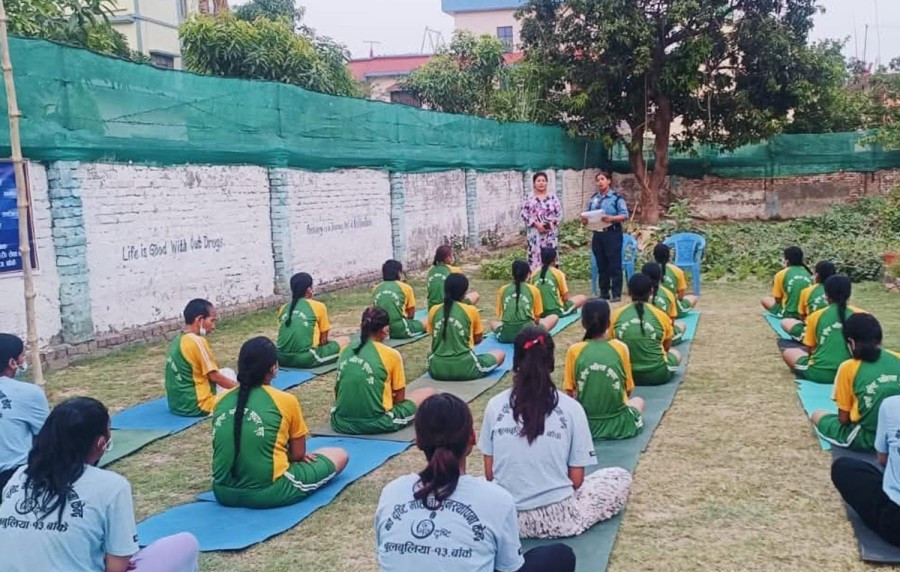
Authorities must see drug abuse as a growing social and public health crisis. People often resort to this path because of poverty, a lack of employment opportunities, stress and anxiety. The government must create jobs, opportunities and a hopeful environment. Additionally, it must introduce creative interventions by leveraging arts, technology, peer networks and sport programmes.
Moreover, provincial governments should establish treatment and rehabilitation services that are well-equipped to address women’s needs, free of cost. Amid growing concerns over individuals’ deaths under suspicious circumstances in rehab centres over the past few months in the country, monitoring activities in rehab centres must also be stepped up. Local governments must go beyond basic public awareness programmes and maintain post-rehabilitation support programmes including temporary housing, counselling, education and employment assistance. They must include families in counselling programmes, as addiction cannot be overcome solely by the government. Families and society at large must understand that falling into addiction doesn’t erase a woman’s dignity or her right to support.
Above all, addiction must be understood through a gendered lens. Effective policy cannot ignore the harsh realities of gender-based violence, unequal economic opportunities, family expectations and social stigma that push women into drug addiction. Until the government does this, it will remain partly responsible for perpetuating the crisis.




 15.17°C Kathmandu