



 22.03°C Kathmandu

Mon, Nov 2, 2026
Columns
Protest is not policy
Nepal’s protest has completed the first stage. The rest depends on what the country builds around it.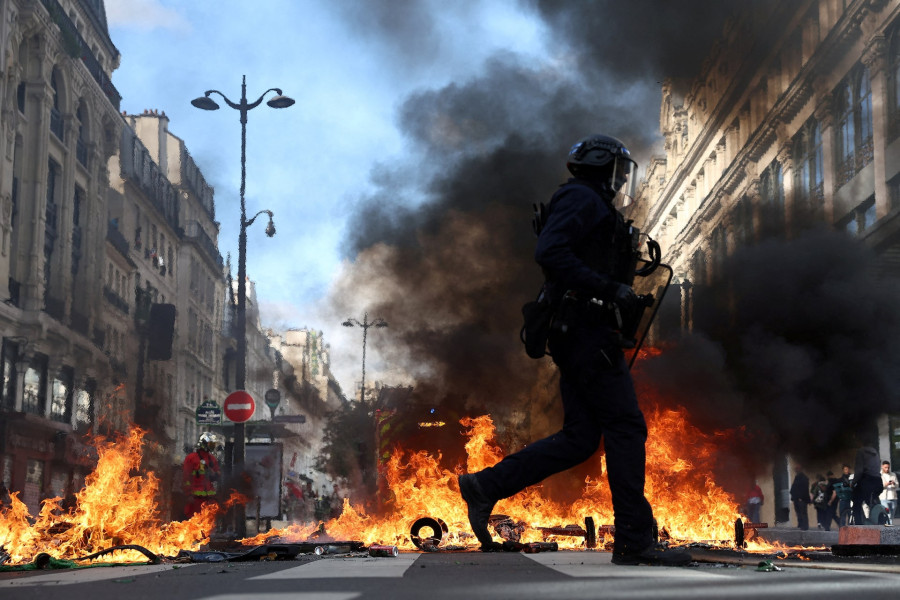
bookmark
Sanket Kumar Prajapati
Published at : November 2, 2026
Updated at : November 2, 2026 11:09
Europe is witnessing a new wave of protests over education, housing and the cost of living. In France, the Interior Ministry counted 550,000 demonstrators on October 17 and 410,000 on October 24, while the CGT union put the second figure at nearly double. Some marches ended in riots and curfews. Belgium has had a year of union-led strikes against its coalition government. These events are often described as a European uprising, but protests spread across borders far more easily than they change policy within them. Nepal, where a protest brought down a government a year ago, offers a useful comparison, because it shows both what a protest can win quickly and what it cannot secure on its own.
What Nepal’s protest achieved
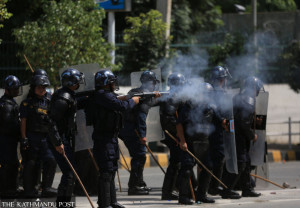
Nepal's Gen Z protests asked for accountability for corruption and for the deaths during the protests to be accounted for. The government formed after the snap elections moved against former Prime Minister Oli, which was the most visible response. Accounting for the crackdown has proved slower. In February, Human Rights Watch, Amnesty International and the International Commission of Jurists noted that official reports on it had not been published. In July, young activists were baton-charged and arrested at a protest against squatter settler evictions, and some demanded Prime Minister Balendra Shah’s resignation. Accountability has so far reached the old rulers more readily than the new ones.
The reason lies partly in how the change came about. The movement won through a surge of public anger, and a surge has no natural way of checking whether promises are kept after it subsides. With the Nepali Congress and the CPN-UML holding only 63 seats between them, the parliamentary opposition is also thin. The task of keeping the government answerable therefore falls more heavily on the press, the courts and the young people who brought it to power.
What Europe shows by contrast
Europe’s protests look alike, but they meet very different obstacles. In France, the problem is that no one is placed to answer them. Parliament ousted François Bayrou last year over his budget cuts, and Sébastien Lecornu is the fifth prime minister in under two years, yet the grievances have returned. Unions, Yellow Vests and school students call separate days of action, and the main unions stayed away from the latest one. The students were not invited to the prime minister’s talks with union leaders. With parliament so fragmented, no party or coalition can easily take up the demands and carry them through.
In Belgium, the problem is the opposite. Its three main unions act together, and March’s demonstration was the tenth major protest against Bart De Wever’s coalition over pensions and wage indexation. But a coalition with a working majority can wait out even a long campaign, because nothing forces it to choose between the strikers and its own survival.
Nepal sits between the two. Its electoral system gave the street a government within six months, which neither France nor Belgium achieved. What it lacks is the standing organisation that Belgium’s unions provide, the kind that keeps pressing after the crowds go home. South Asia shows how common this gap is. Sri Lanka’s 2022 uprising forced out President Gotabaya Rajapaksa, but the establishment replaced him with another figure, and a new political force took power only in 2024. In Bangladesh, voters endorsed the July Charter in a referendum, yet the Bangladesh Nationalist Party signed it with reservations, and its manifesto departs from the Charter in key areas. In both countries, leaders changed faster than institutions.
What now?
Nepal can learn from Europe’s unions how to sustain pressure over years and not just weeks. Civil society groups, student organisations and the press can build that habit, but they need space to work, and the government can help by publishing what the inquiry into the crackdown found and acting on it. Opposition parties, however small, also have a duty to turn the protest’s demands into questions in parliament and not leave them to the street.
Europe can learn from Nepal how quickly a political system can give public anger an address. An election came within six months of the uprising. France chooses a president in April and May 2027, and whether that vote eases the present unrest will depend on whether parties and unions can turn street demands into specific programmes.
The significance of a protest cannot be judged by its crowds. It should be judged by what follows: whether a government answers the demands, whether parties take up the grievances, and whether institutions provide credible ways to pursue change. By that test, Nepal’s protest has completed the first stage. The rest depends on what the country builds around it.
Sanket Kumar Prajapati
Prajapati is a PhD research scholar at the Centre for European Studies, Jawaharlal Nehru University.


Most Read from Columns
Editor's Picks

What Balendra Shah can learn from Zohran Mamdani
Explained: The leaked WhatsApp chats that have shaken Nepal’s judiciary

Who is Inam Sapkota, the man linked to Cholendra Rana and top police officials?
The police chief who objects, delays—and ultimately complies
Shabana Azmi on acting, equality and the power of cinema
E-PAPER | November 02, 2026

×