On September 19, 2015, my home in Sarlahi was preparing for Bhadaiya Raab, a sacred festival in Mithilanchal where women cook kheer and saltless dishes on a traditional chulo, gather fruits in a dala, and offer neuz to the Sun God for family health and prosperity. As my mother prepared the food over the wood fire, the black, smoky utensils slipped from my hands and rolled into the yard. I was an early teenager, but I was too paralysed to step outside and pick them up. Outside, the streets were stained red with rampant state killings. Security personnel surrounded our neighbourhood, turning a day meant for devotion into absolute terror.
That trauma has never left my body. Recently, when I heard the crack of gunshots during the September 8 Gen Z protest at Baneshwar, my mind instantly flashed back to Sarlahi in 2015, where two gunshots rang out—one victim airlifted by helicopter, the other dying on the spot. Sitting down in the middle of the road, I had to ground myself and process that while the political contexts were different, state-sponsored violence remains terribly familiar.
This piece is a personal reckoning with the 2015 Madhesh Movement, its state violence, its dehumanising rhetoric, and its lingering trauma, written against the backdrop of how differently recent protests have been remembered, covered and validated. While the September 8 Gen Z protests received widespread validation and empathetic coverage from national and international media, those same spaces often forget or dismiss how earlier movements—Madhesh, Tharuhat and other indigenous struggles—were violently suppressed by the state.
The state’s treatment of the Southern Plains during that period was meticulously documented in the Human Rights Watch report, Like We Are Not Nepali. Over 50 people were killed in the Terai in 2015, including 14-year-old Nitu Yadav, who was dragged from the bushes and shot dead at point-blank range, and 12-year-old Bikas Yadav, shot while trying to bring water to the wounded. Security forces shouted "Thok!" (Shoot!) and "Thok Bihariharulai" (Shoot the Biharis!), treating us as enemies within our own borders.
What made the physical violence heavier was the cruel rhetoric from state leadership. On September 9, 2015, Prime Minister KP Oli publicly dismissed our lives on national media, remarking that “two or three mangoes falling off a tree” (Aanp jhareko) does not stop the harvest. Even seasonal fruit has market value; our lives were treated as losses requiring no mourning. The weight of that remark runs so deep that when the movie Rajaganj attempted to include Oli's mango statement, the Censor Board forced its removal before allowing the film's release on March 14, 2025. Later, when thousands of us joined hands across Saptari and the postal highway on October 1, 2015, in a peaceful human chain, Oli mocked it as a "Makhe Sanglo", a chain of houseflies.
When Kathmandu elites faced supply disruptions, they dismissed our border blockade as an ‘Indian blockade’ rather than an internal tactic of protest. They ignored the fact that Madheshi communities routinely cross the border for daily life, and that blocking trade transit was a desperate leverage point to force a deaf state to negotiate.
Instead of addressing these grievances, the state institutionalised our marginalisation through core policy choices. Rather than establishing two consolidated provinces in the southern plains as demanded, the region was carved into five separate provinces to dilute Madheshi political representation deliberately. Furthermore, despite rapid demographic growth in the Tarai, election constituency delimitation failed to weight representation strictly by population density, ensuring Pahadi elites maintained proportional dominance. Coupled with strict national language mandates that default exclusively to Nepali in formal public life, non-Nepali native speakers in the Tarai faced severe barriers in obtaining citizenship documentation, entering civil service, and accessing higher education.
Article 8(2) of the Constitution of the Kingdom of Nepal, 1962, states:
Having a Prime Minister who claims Madheshi roots might initially sound like a ray of hope, but his incomplete understanding of how the state has historically mistreated us renders him only half Madheshi in spirit. It fragments our hopes rather than fulfilling them. This disconnect is evident today: the current constitution amendment committee completely excludes the very resentful groups whose agendas were sidelined during the original promulgation.
The three agreements between the state and Madheshi protesting groups have been made: first, on August 30, 2007, between the Nepal Government and Madheshi Janadhikar Forum with a 22-point agreement and second, on February 28, 2008, between the Nepal Government and Sanyukta Loktantrik Madheshi Morcha with 8 points Agreement. Both agreements have remained just another piece of paper.
Historical injustice requires intentional policy intervention, not amnesia or superficial representation. Until federalism is honourably delivered, constituency delimitation reflects our true population, and state trauma is acknowledged, today will remain a Black Day, remembered through the enduring fear of a child in Sarlahi, standing frozen beside a spilt set of smoky utensils.
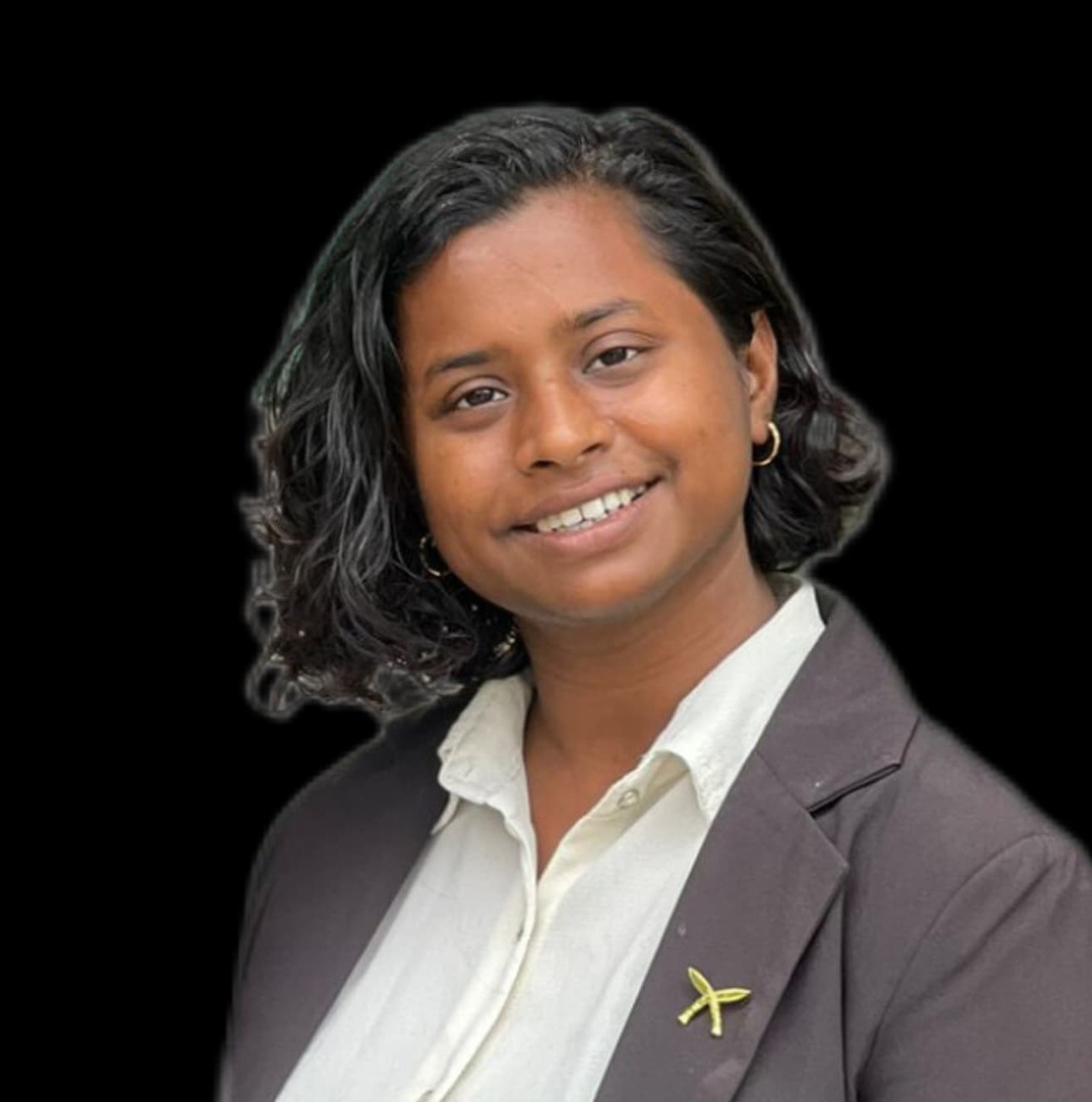
Sah is an intersectional Madheshi feminist who has been engaged in grassroots activism for child rights, women's rights, farmers' rights and Madheshi advocacy for the past six years.




 16.8°C Kathmandu