



 25.92°C Kathmandu
Tue, Oct 27, 2026
Columns
Diverse idioms of Nepali paintings
The right idioms to express the motifs of paintings continue to be the thrust of artists.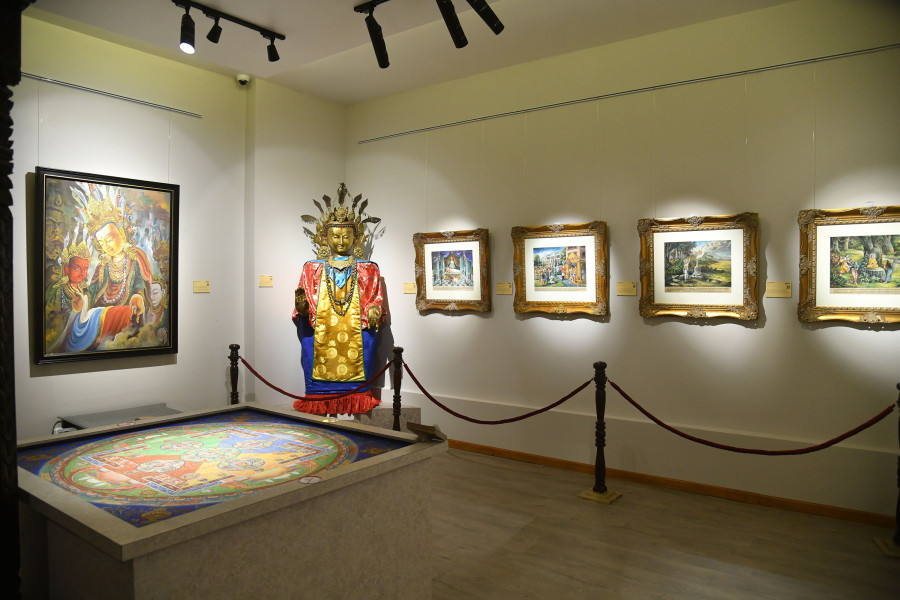
bookmark
Abhi Subedi
Published at : June 23, 2024
Updated at : June 23, 2024 15:18
Nepali art exhibitions held in May-June 2024 at Kathmandu’s major galleries represent the diversity of the idioms of Nepali paintings executed in traditional, ethnic and modern forms. Visiting the exhibitions, closely observing the artworks, and interacting with the curators and some artists, I realised that the quest for the right idioms to express the major motifs of paintings continues to be the main thrust of the artists.
In this article, I am alluding to the genre of paintings exhibited in galleries. I have attempted to review the paintings displayed at the exhibitions and briefly discuss the diverse modalities and practices of exhibitions, as well as the impact of audience-oriented activism. Though I have been writing on the diverse genres and forms of Nepali art like sculpture, architecture and installation-oriented works mainly curated in Nepal by Sangeeta Thapa through major events under such rubrics as “biennale and triennale”, I have mostly produced reviews of paintings over the decades. I have put my review writings in catalogues and journals.
In recent years, I have been writing articles on art for the academic journal Sirjana of the Sirjana College of Fine Arts. Navindra Man Rajbhandari, an artist, art teacher, curator, and pedagogue, has been working earnestly to edit and publish this journal.
I visited the painting exhibitions in the major galleries—two at the Nepal Art Council, Babarmahal and one each at the Nepal Academy of Fine Arts and the Siddhartha Art Gallery. Interestingly, all these exhibitions are audience-oriented. The painting exhibition practice often follows the rituals of cataloguing the works with simple introductions and price tags written somewhat half-heartedly. They also mention the mediums used by the painters, like oil, water, gouache and, very commonly, acrylic. From the early artists who were exposed to Western art to those of contemporary times in Nepal, all use the same mediums as artists anywhere in the world. These mediums are the universal shapers of the idioms of paintings.
Nepali painters use the above-mentioned mediums and other admixtures according to their modern training and indigenous painting traditions. The evolution of colour paintings, especially oil, marks the presence of the audience or the clientele of paintings; it has become a commonly recognised subject. All came through modern education in art. Artists’ emotions and the consonance of cultural and aesthetic factors are commonly represented in such paintings.
One eloquent example was seen at an art exhibition, “Deities of Nepal II”, held at the Nepal Art Council in May-June 2024. This exhibition, principally curated by the art academic Swosti Rajbhandari Kayastha, presented some remarkable paintings and their projection modalities. The diversity of the paintings executed according to the overt and covert themes of sacrality had one common element. Their choice of colours and hues and their delineation to create the exquisite beauty of the mythopoetic figural of the characters in the paintings was one eloquent feature. Modern painters also treated the divine figures and their aura in their non-figural works. I especially liked the modern techniques in these paintings about the deities. The thrust was experimental.
Some artists, comparatively, made very good paintings; others were just cliché works, naturally. However, the common strength and feature of all the paintings that featured the iconography was what the brief brochure text says: The composition of “the deities intricately woven into a tapestry of philosophical and spiritual beliefs.” The other was the search for an appropriate style for projecting the spiritual motifs. The paintings appeared to establish a covenant with the audience, this time through a pricing pattern. Paintings were liberally priced; some were priced up to Rs4 million. And the remarkable matter was that some of these expensive paintings were “sold” to Nepali buyers.
We should remember that the paintings were sold as works of art, not as pictures of religious iconographies. The entry of the modern audience into Nepali paintings is what matters here. John Berger, a great art critic, says that the painting itself should generate the buyer’s desirability through its touchable and visual attraction. I saw this covenant at this exhibition.
The next display was the “National Exhibition of Fine Arts 2024”. This one presents a different perspective in my collection several decades’ glossy catalogues of the Nepal Academy of Fine Arts. This exhibition, curated by Devendra Kumar Kafle, aka Thumkeli, its member secretary, and other departmental academy members, presents a unique view of Nepali art. Kafle guided me through the variety of artworks and described the collection methods. The collection is based on the modality of sampling artworks of Indigenous and regional features and bringing them out to the national exhibition, which is a remarkable activity.
The Academy has published small glossy catalogues for them. In his note, the Chancellor of the Academy, Naradmani Hartumchali, says this is a culmination of such exhibitions in all seven states. He stresses the need to bring art to a level where indigenous forms could be made a topic of political significance by evoking such features as representation and social transformation. I don't know of any well-researched discussions on this important topic initiated by any authentic institutions. But the exhibition speaks for itself.
The current exhibition, “Threads of Simultaneity”, organised by ‘Sirjana 2024’ and mainly curated by Navindra Man Rajbhandari, exhibits 200 pieces of artwork executed by 28 artists at the Arts Council. Artist Rajbhandari revealed that the exhibition was an attempt to project a historicity of a combined nature of art activity shared entirely by the academic cohort of the institution. The exhibition features some works of the erstwhile principals Sashi Shah (2001-11), Krishna Manandhar (2011-17) and Madan Chitrakar (2018-22), and members of the Sirjana College of Arts like Vatsa Gopal Vaidya and other senior artists associated with the college one way or the other. Works of the young and senior artists are on display.
I also want to recall yet another unique exhibition organised by Siddhartha Art Gallery, “Sawari Kathaharu: Art in Motion”, in May 2024. The concept of motion in art is presented by creating the art of motion, as in Ralph Lily Turner’s “Storms”, Hokusai’s “Great Waves”, Pablo Picasso’s “Guernica” and Sashi Shah’s “Darting Horses”, to take a few examples. Capturing the fixed images mounted on darting objects like vehicles and exhibiting them in a reputed gallery is designed to showcase experimental works and their appeal.
May and June 2024 were eventful in the realm of Nepali art. I was struck by the variety of motifs and styles that show the performative mode of Nepali paintings.
Abhi Subedi
Abhi Subedi is a poet, playwright and a columnist.

Most Read from Columns


Editor's Picks

What to know about the US trial over Mamta Kafle’s disappearance
NPL returns with bigger ambitions and global recognition
What’s new in the Nepal Premier League’s third season?
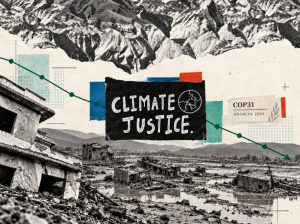
After Nepal’s recent disaster, it wants to test whether COP31 can deliver climate justice

Why does an hour long flight to Dhangadhi cost more than a flight to New Delhi?
E-PAPER | October 27, 2026

×