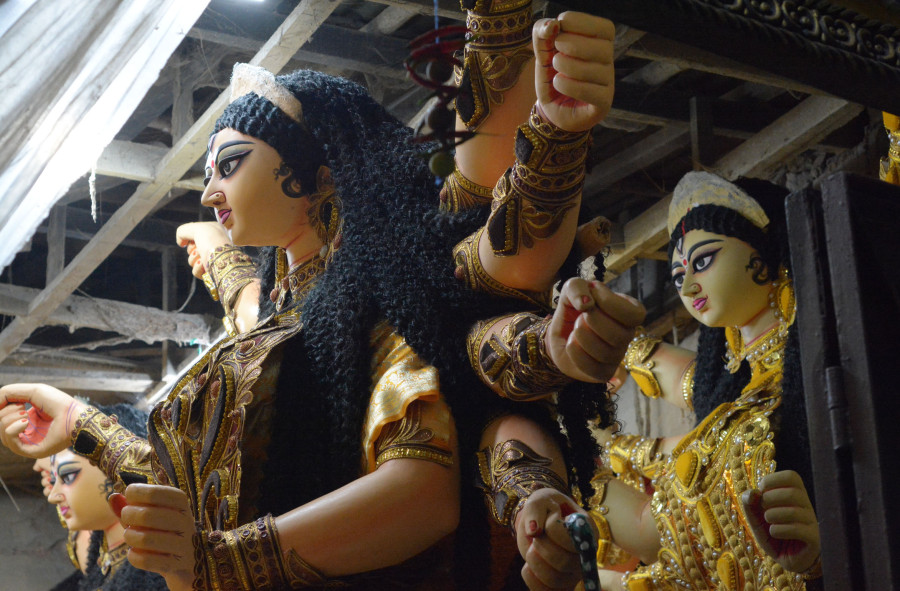
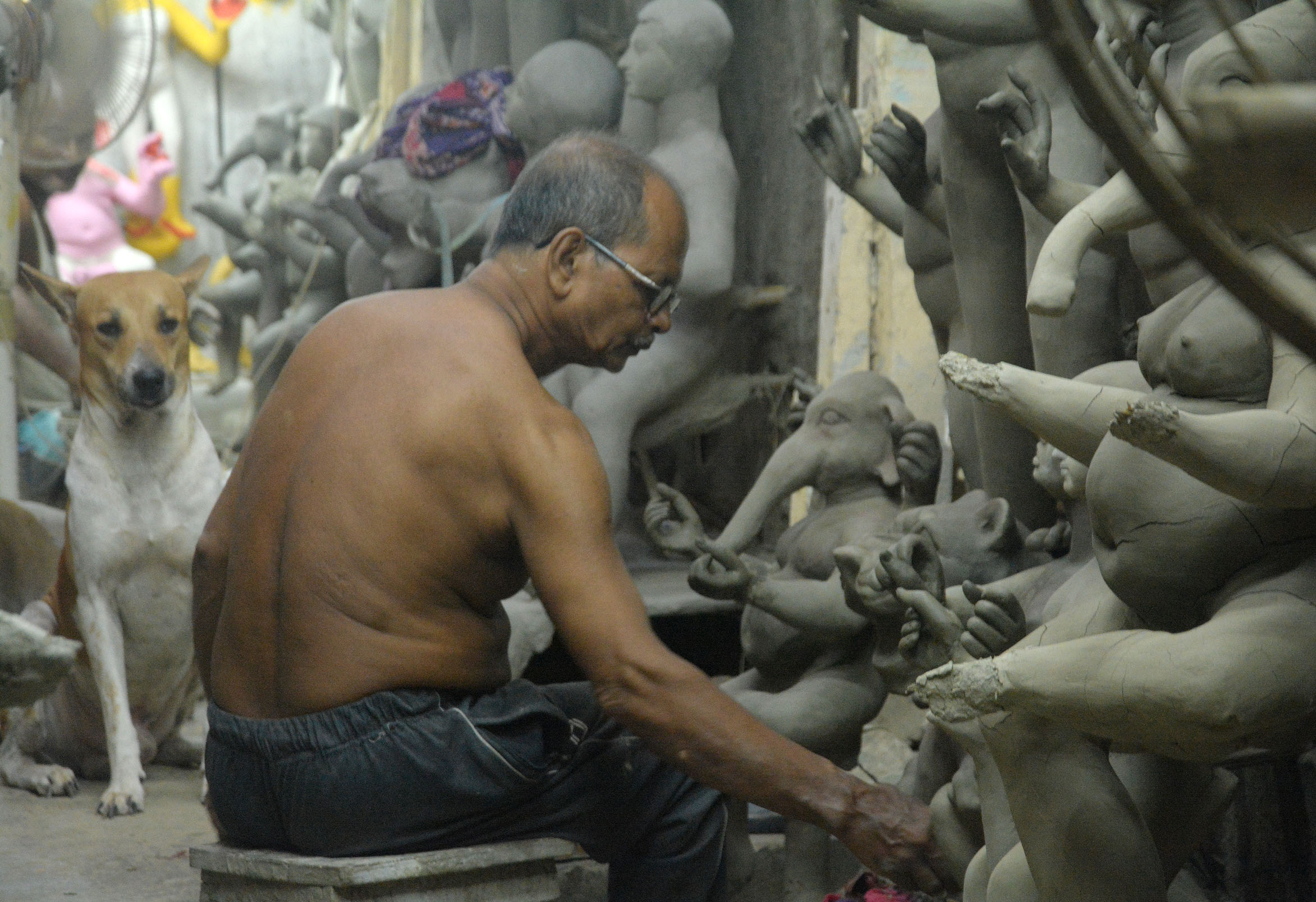
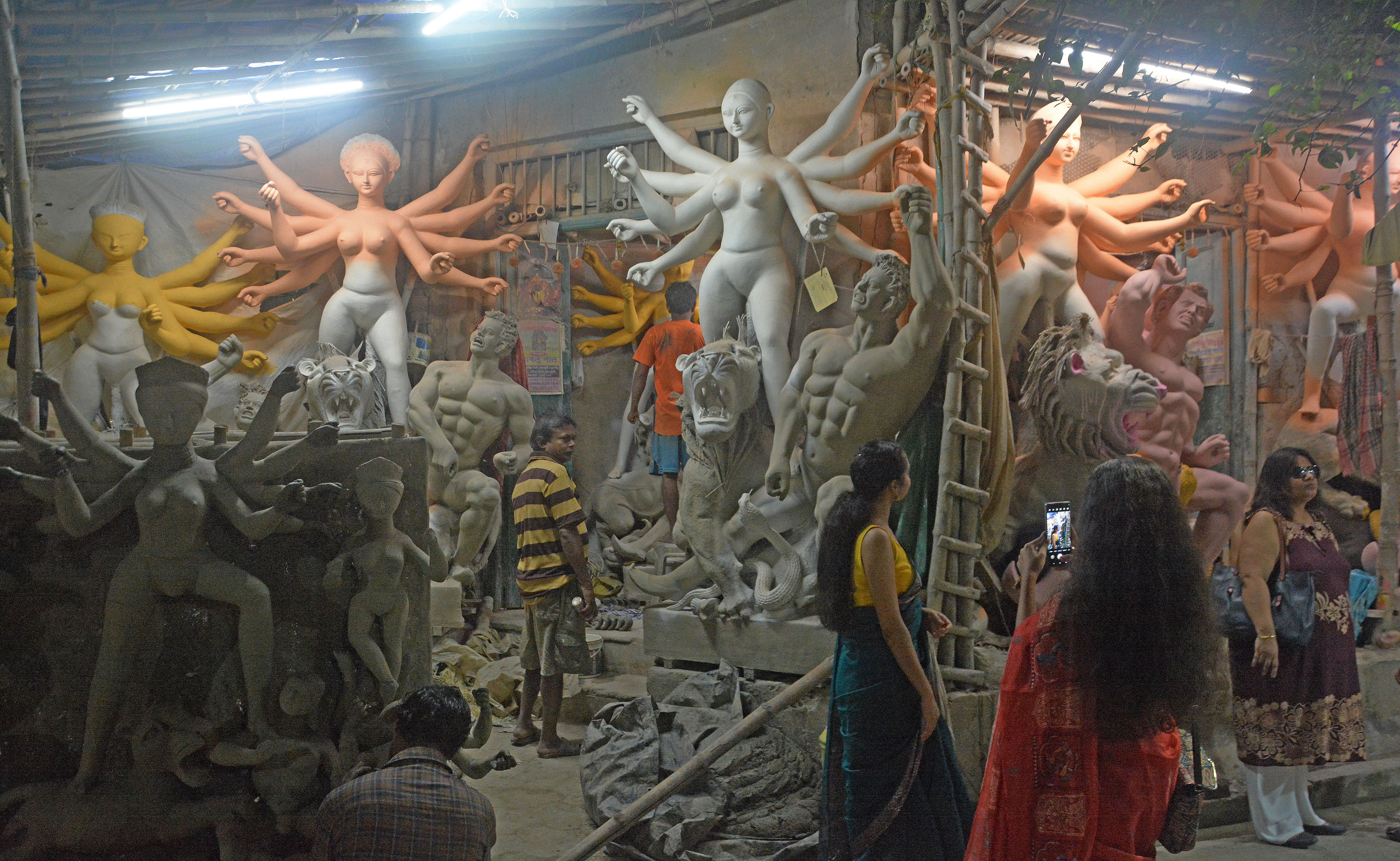
In its streets, riverbanks and neighbourhoods, old traditions meet the restless energy of everyday life. Almost ready idols of Durga being readied for delivery to the pandal (ceremonial structure used for religious festivals) at Kumartuli, Kolkata. Bikas Rauniar
It was superb to be back in Calcutta, the city of joy.
I have been visiting Calcutta for various reasons since 1985. I first visited the city during Durga Puja and remember going around to different pandals (ceremonial structure used for religious festivals), admiring the idols of Durga Mata. I was carrying a camera and took many photographs, especially after Durga Puja, when devotees immersed the idols in the Hooghly River. After that, I kept coming back.
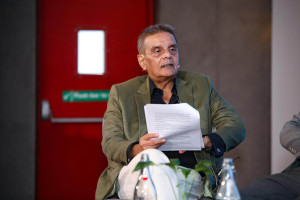
This time around, I found out that our first president, Dr Ram Baran Yadav, was in Calcutta to attend a medical conference. Fortunately, he gave me nearly two hours of his time at Zone by The Park, the hotel where he was staying.
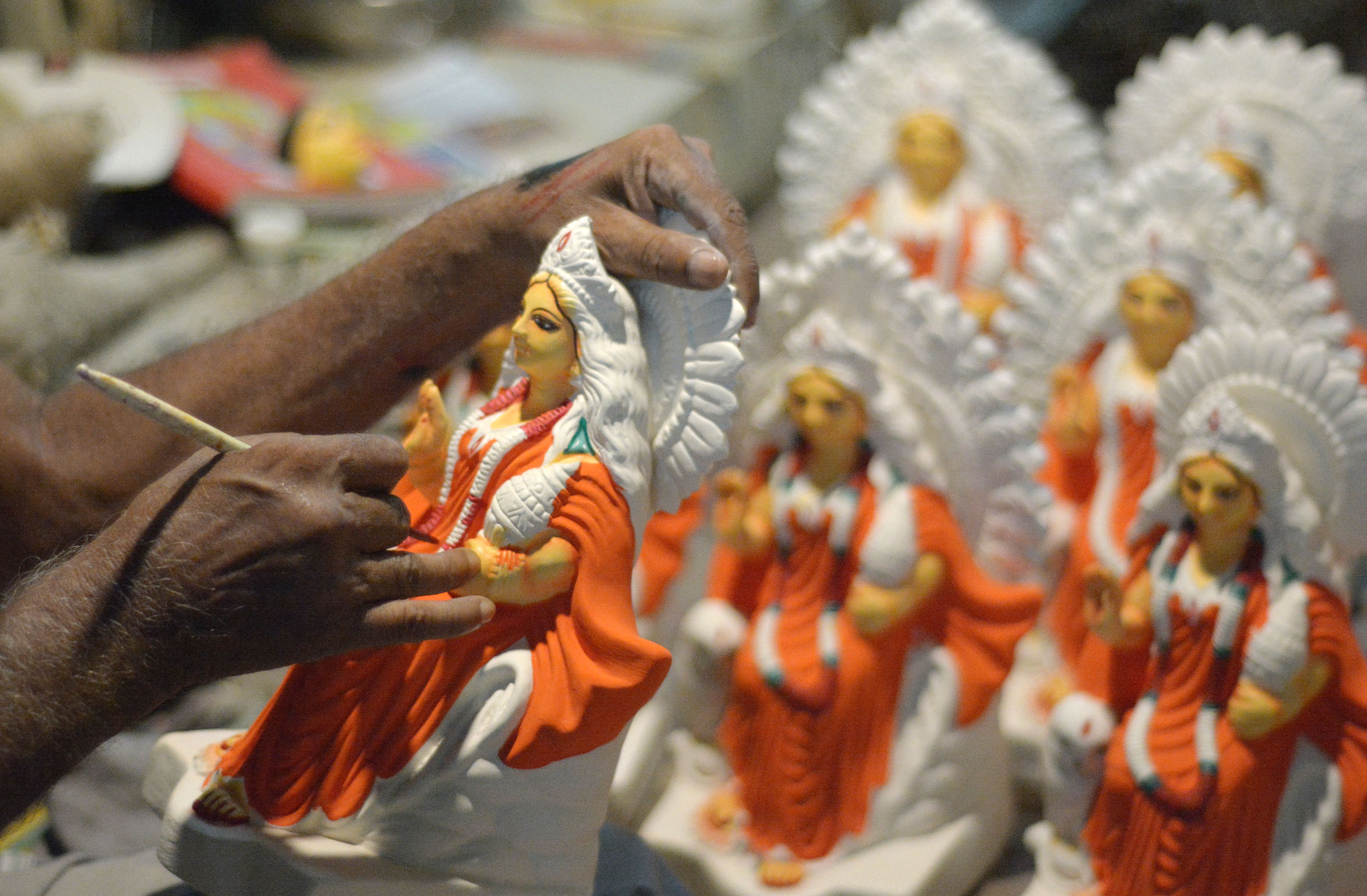
Artisans giving final touches to the idols of Durga and other gods at Kumartuli, Kolkata, West Bengal.
It was wonderful to hear him reminisce about his days in Calcutta, from 1968 to 1977, when he studied at Calcutta Medical College. The following morning, just before he left for the airport to return to Nepal, I was also able to take some photographs with him.
After many business meetings and going through draft documents, I took some time to relax and unwind. I walked around Calcutta with my camera, exploring some of its many interesting places, including the Elgin Fairlawn Hotel on Sudder Street, one of Shashi Kapoor’s favourite hotels. It was also where he met his future wife, Jennifer Kendal.
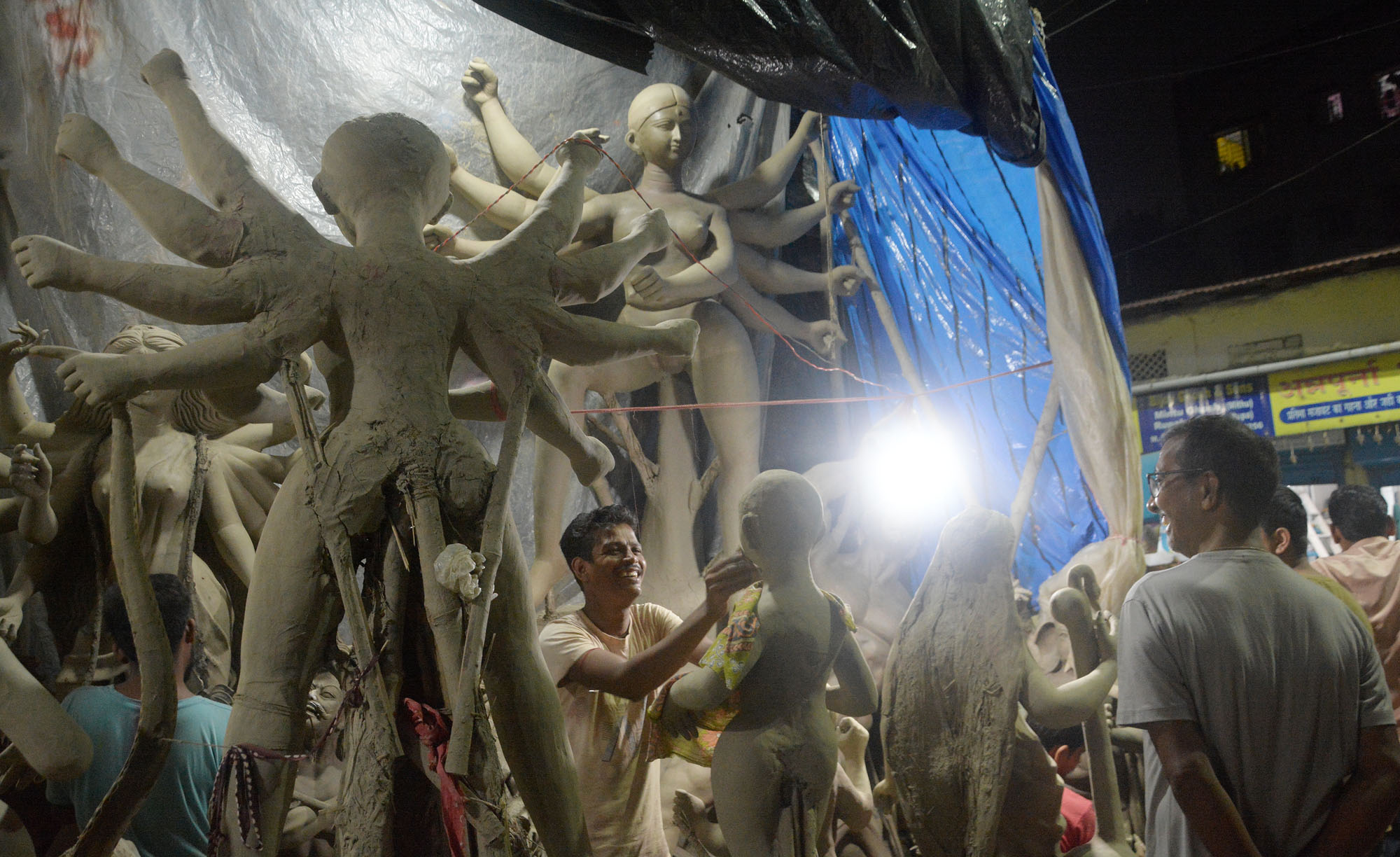
Artisans work to complete their idols for the upcoming Durga Puja.
Walking along the Hooghly River was equally refreshing. And with Durga Puja approaching, I visited Kumartuli, where artists craft the beautiful Durga idols that will eventually find their way to the city’s many pandals.
The artists were in a great rush as Puja approached. During my conversations with them, I also learned about some fascinating old traditions. One of them involves Sonagachi, the well-known red-light district nearby, where artisans traditionally went to collect soil and seek the blessings of sex workers.
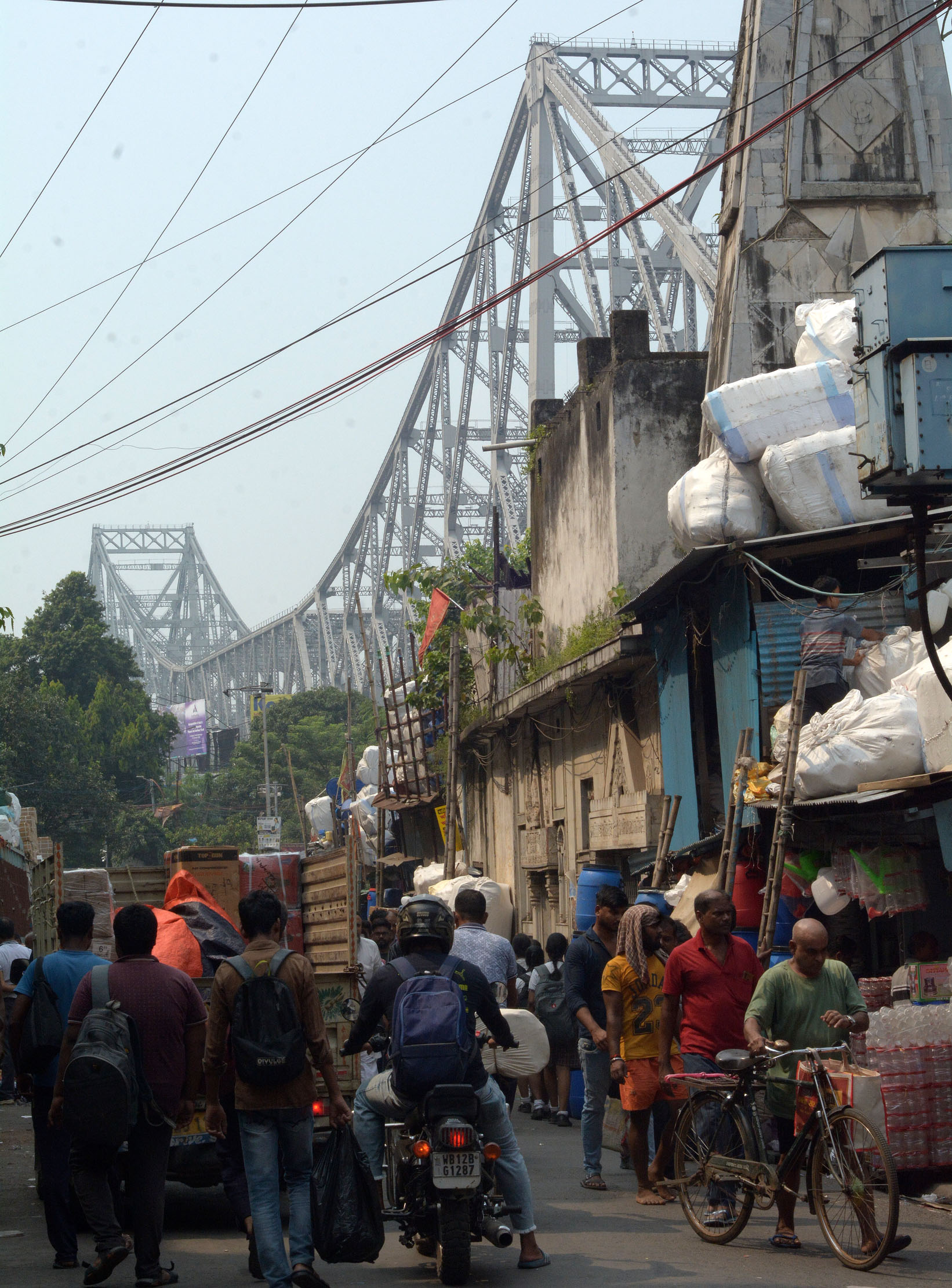
Iconic Howrah Bridge as seen from Raja Katra, Burra Bazar.
According to this age-old tradition, the soil used to make Durga idols was supposed to be collected from Sonagachi and blessed by the sex workers there. However, the tradition has gradually been discontinued in recent years, and artisans now collect the soil themselves from the banks of the Hooghly River.
I also ventured into the Sonagachi area to learn more about the tradition. Locals I spoke to confirmed that it is no longer widely followed and is gradually declining.
An artist providing final touches to the idols of Durga and other gods at Kumartuli.
The tradition involves collecting “Punya Maati” (sacred soil) from the homes of sex workers, which was once considered an essential part of sculpting Durga idols in Kumartuli, the hub of idol-making in West Bengal.
One belief behind the tradition is that when a man enters the home of a sex worker, he leaves his virtue and purity at the doorstep, making the soil there pure and sacred. Another legend says that Lord Ram used soil from the home of Ambalika, a prostitute, to make an idol of Durga. These beliefs are said to be the reason why soil from red-light areas came to be considered essential for making Durga idols.
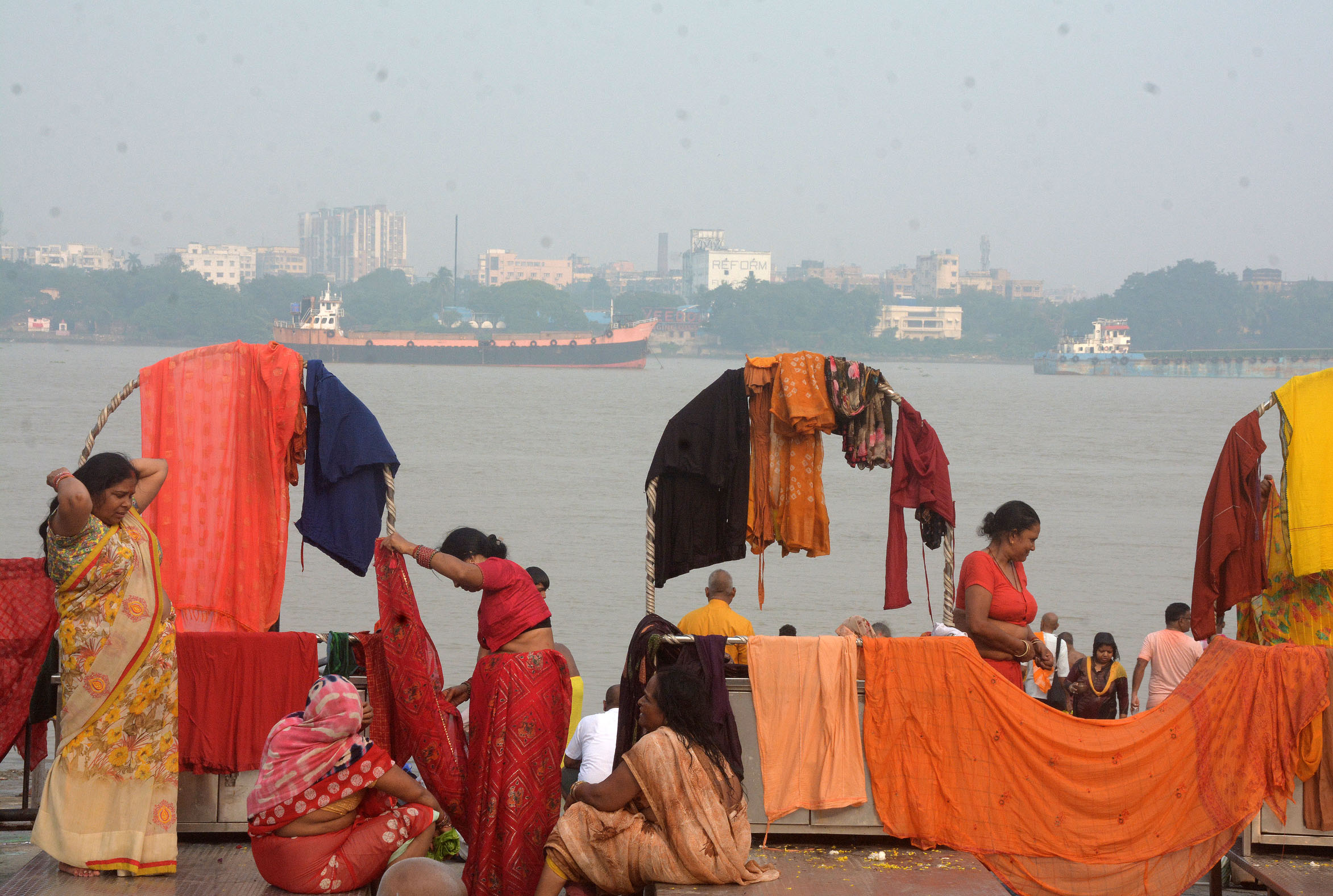
Devotees drying their clothes after bathing in the holy Hooghly (Ganges) River at Armenian Ghat, Kolkata.
The tradition is also said to have references in Hindu scriptures.
The first soil collected for the Durga idol is traditionally mixed with mud from the banks of the Ganga, cow dung, and cow urine. In a society where sex workers have long been pushed to the margins, this age-old tradition was one of the threads loosely connecting them with the mainstream.
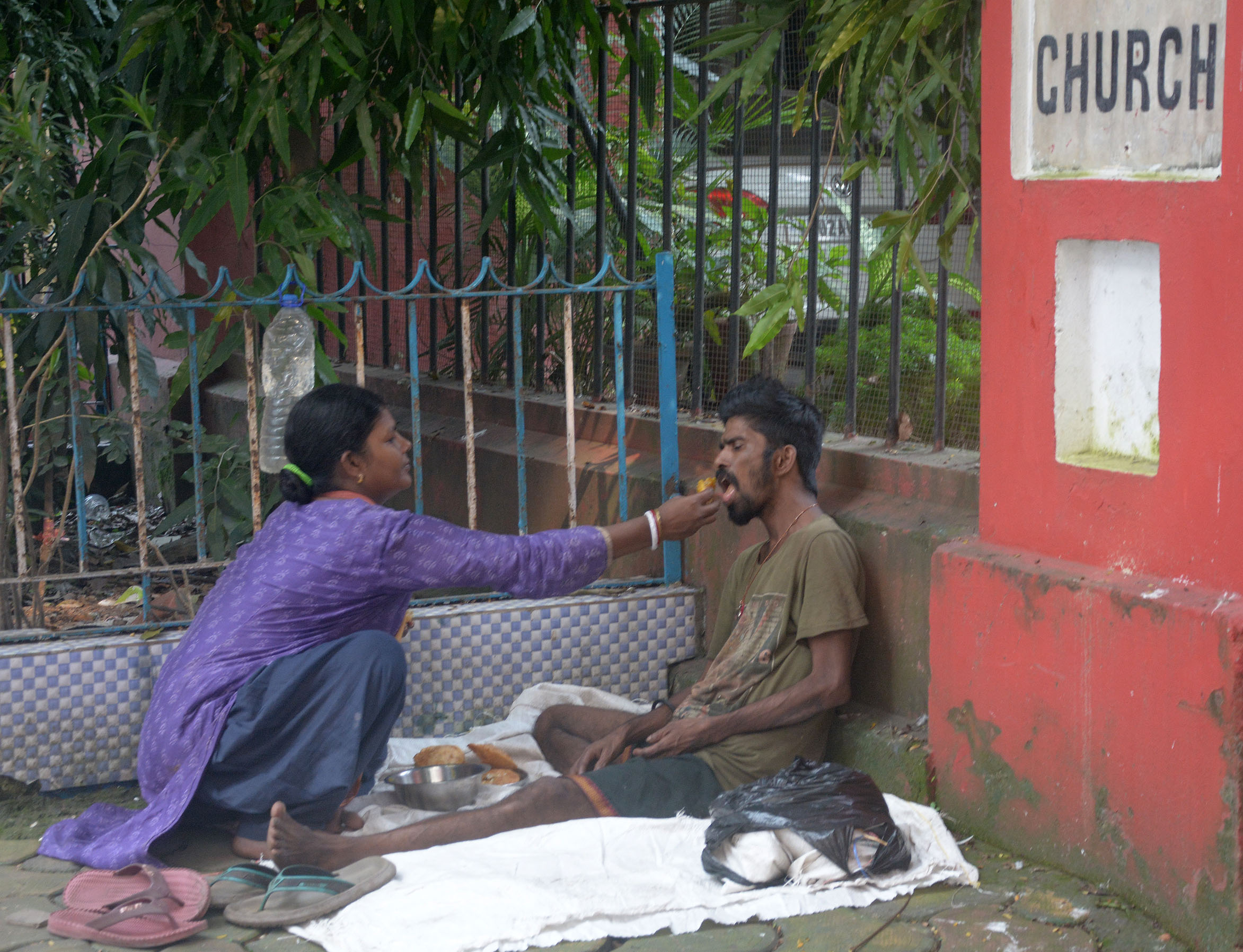
Homeless and sick husband being fed by his wife outside Wesley Church, Sudder Street, Kolkata.
The tradition was also depicted in the famous film ‘Devdas’, in which Aishwarya Rai’s character visits a red-light district to collect soil for the sculpting of a Durga idol.
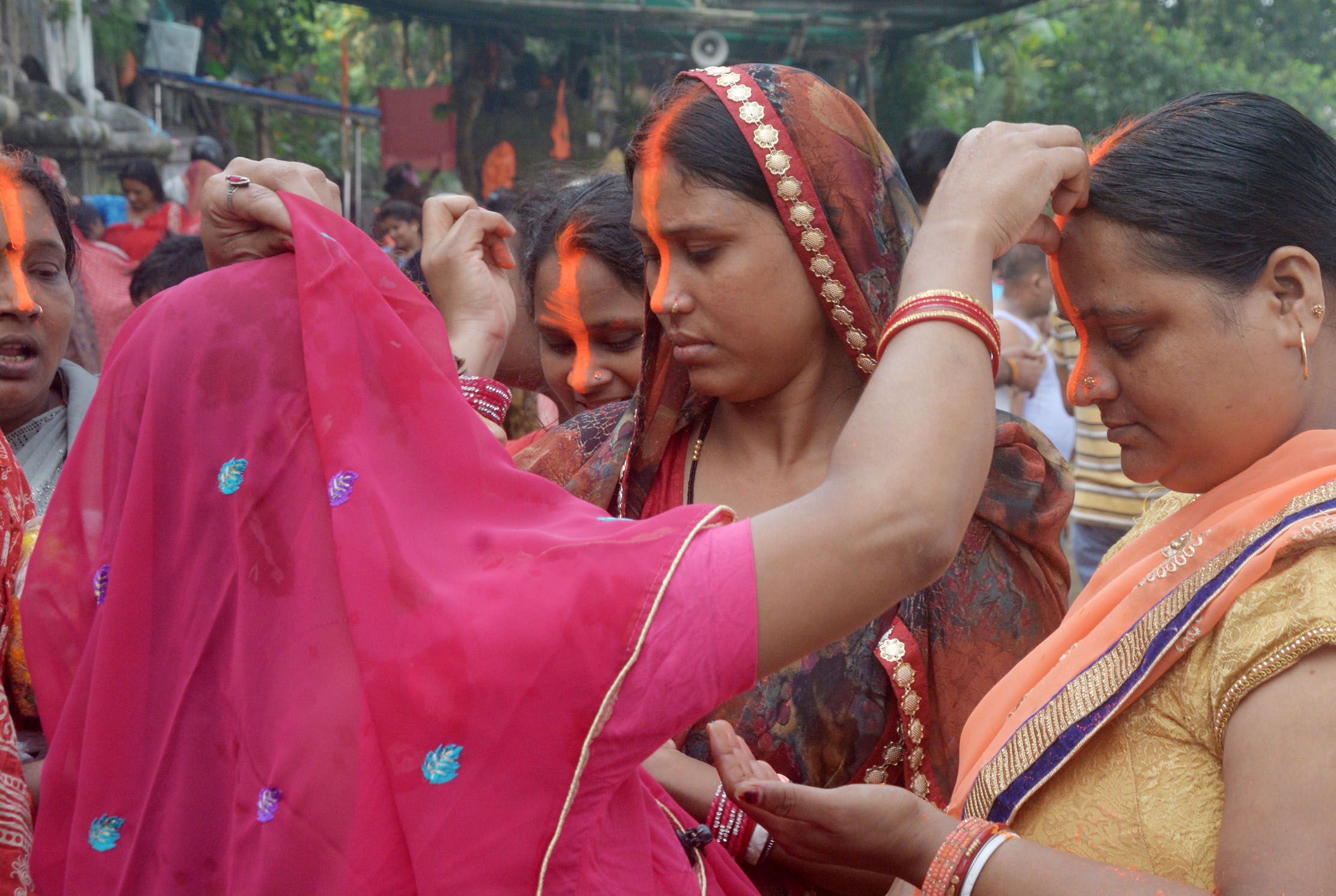
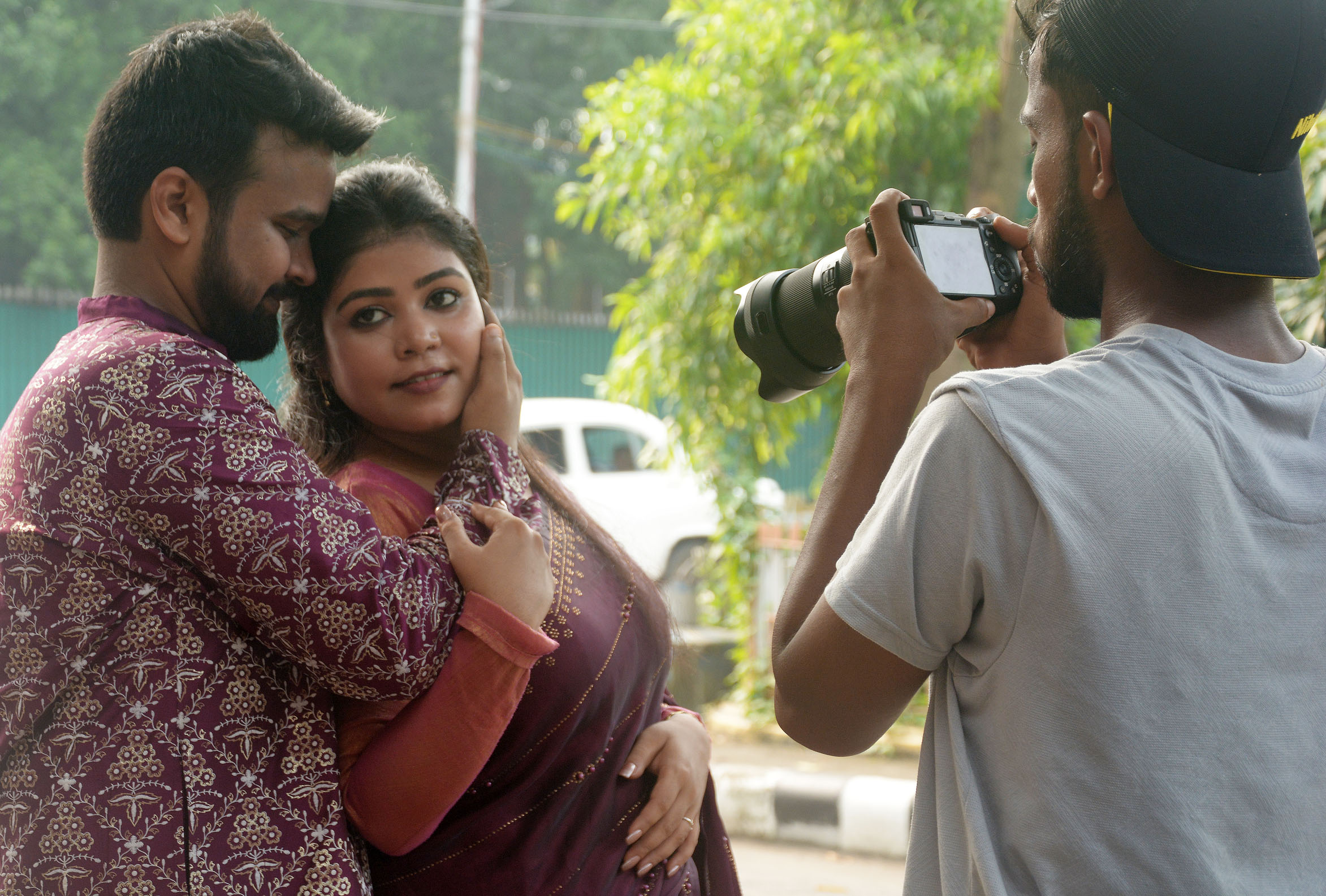
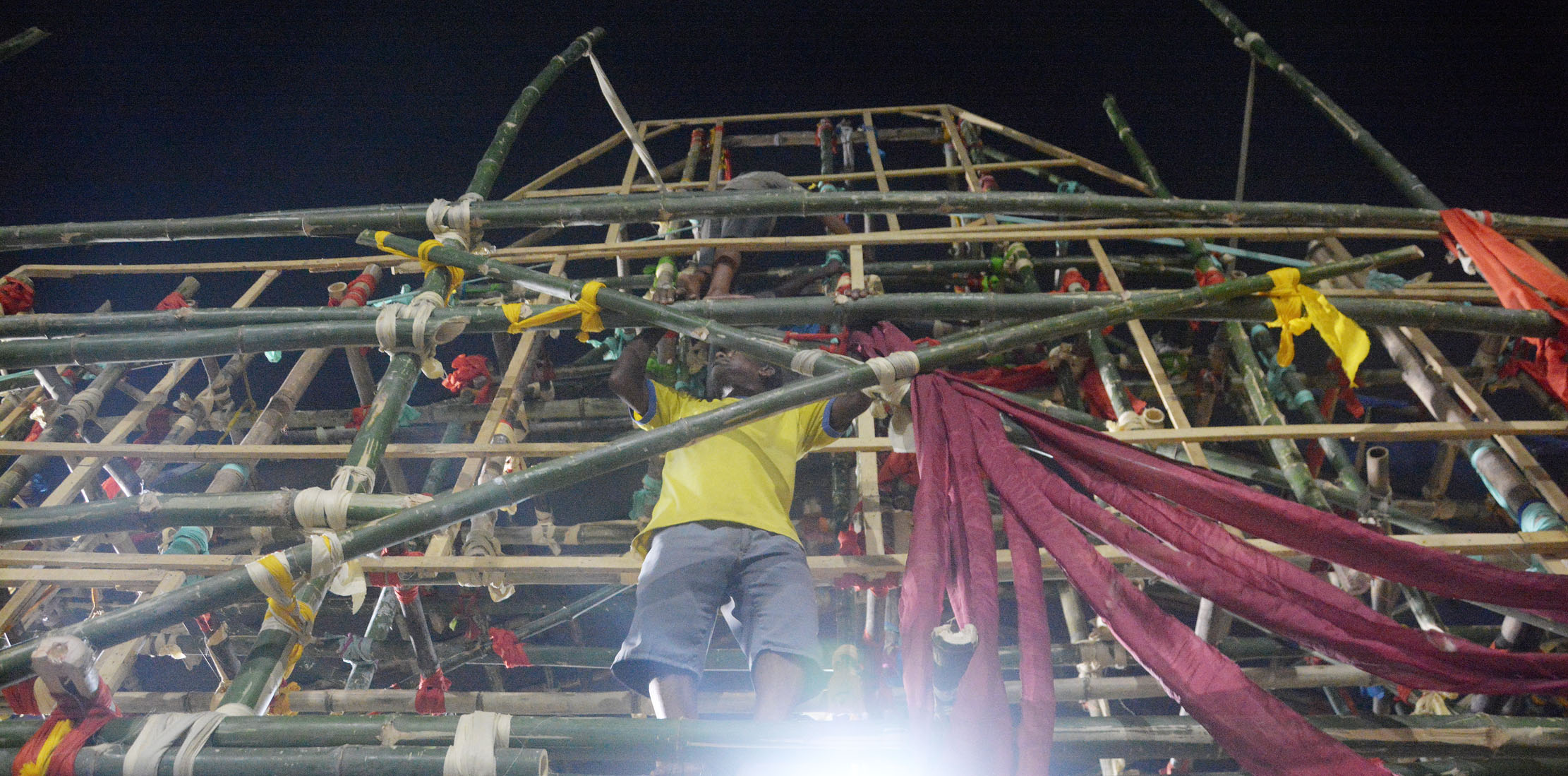
Visiting devotees from Bihar marking Jitiya Parva by putting sindur on each other at Babu Ghat, Kolkata.A couple get their professional pre-wedding photo shoot in front of the Raj Bhawan, Kolkata.Visitors taking pictures on their mobile at Kumartuli. A worker tying bamboo while building pandal for the upcoming Durga Puja at Sova Bazar, Kolkata.




 17.44°C Kathmandu