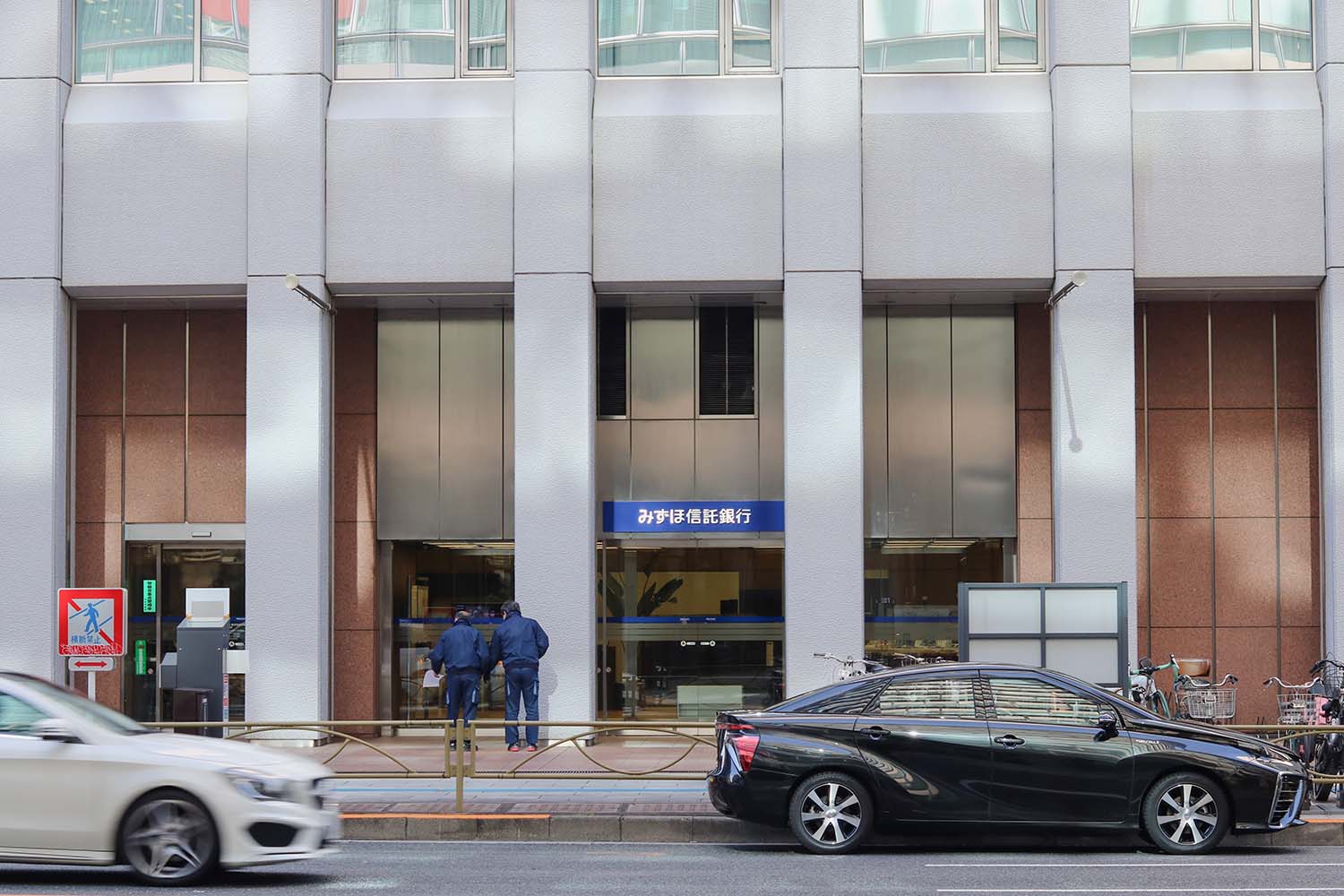
Fukiage sits in Chikusa Ward. It is a residential pocket—mostly apartment blocks and small local shops—that trades the buzz of downtown for quieter streets, while still keeping the city centre close enough for a daily commute.
Pros
The subway ride into Sakae takes about 10 minutes, and cycling takes around 15 minutes. Rents here are noticeably cheaper than in areas closer to Sakae, making it one of the better-value options for students who still want quick access to the city.
Cons
There is not much beyond convenience stores and a few local diners. Students wanting nightlife or a café scene will need to travel into Sakae or Imaike, adding transport costs on top of the savings on rent.
Imaike
Imaike sits at the junction of the Higashiyama and Sakura-dori subway lines. The streets around the station are packed with ramen shops and small local eateries. It functions as a mini downtown of its own, long favored by young Japanese residents.
Pros
Plenty of affordable restaurants and shops make eating out affordable day-to-day, helping offset the cost of rent in the area.
Cons
Because it’s popular with both students and young professionals, competition for units pushes rents up.
Motoyama
Motoyama is the closest station to Nagoya University’s Higashiyama Campus and Aichi Gakuin University’s Kusumoto Campus. The area carries an atmosphere shaped by research and academics.
Pros
Locals consider it an underrated pick for affordability—two subway lines, reasonable rent, and a supermarket within easy reach.
Cons
Because the area caters mainly to students and researchers, it lacks the boutique shops and retail variety, leaving fewer options for browsing or casual shopping close to home.
Otobashi
Otobashi sits a bit apart from the city’s main transit grid. It is a neighborhood where daily life runs on practicality rather than student culture.
Pros
Rent here runs low, making it one of the most affordable options on this list for students prioritising budget.
Cons
The savings come with a longer commute, meaning extra time and possibly extra transport costs to reach campus or the city centre regularly.
Mizuho Ward
Mizuho is home to a mix of older Japanese-style homes alongside larger houses. Reached via Mizuho Kuyakusho Station, it offers a direct ride into central Nagoya without a transfer.
Pros
Housing here is more affordable than in the central and eastern wards, and it offers a residential environment with access to schools and transit.
Cons
The area’s older housing stock means some apartments lack modern conveniences such as updated insulation or newer appliances.
Based on conversations with local Nepali students in Nagoya.




 24.34°C Kathmandu