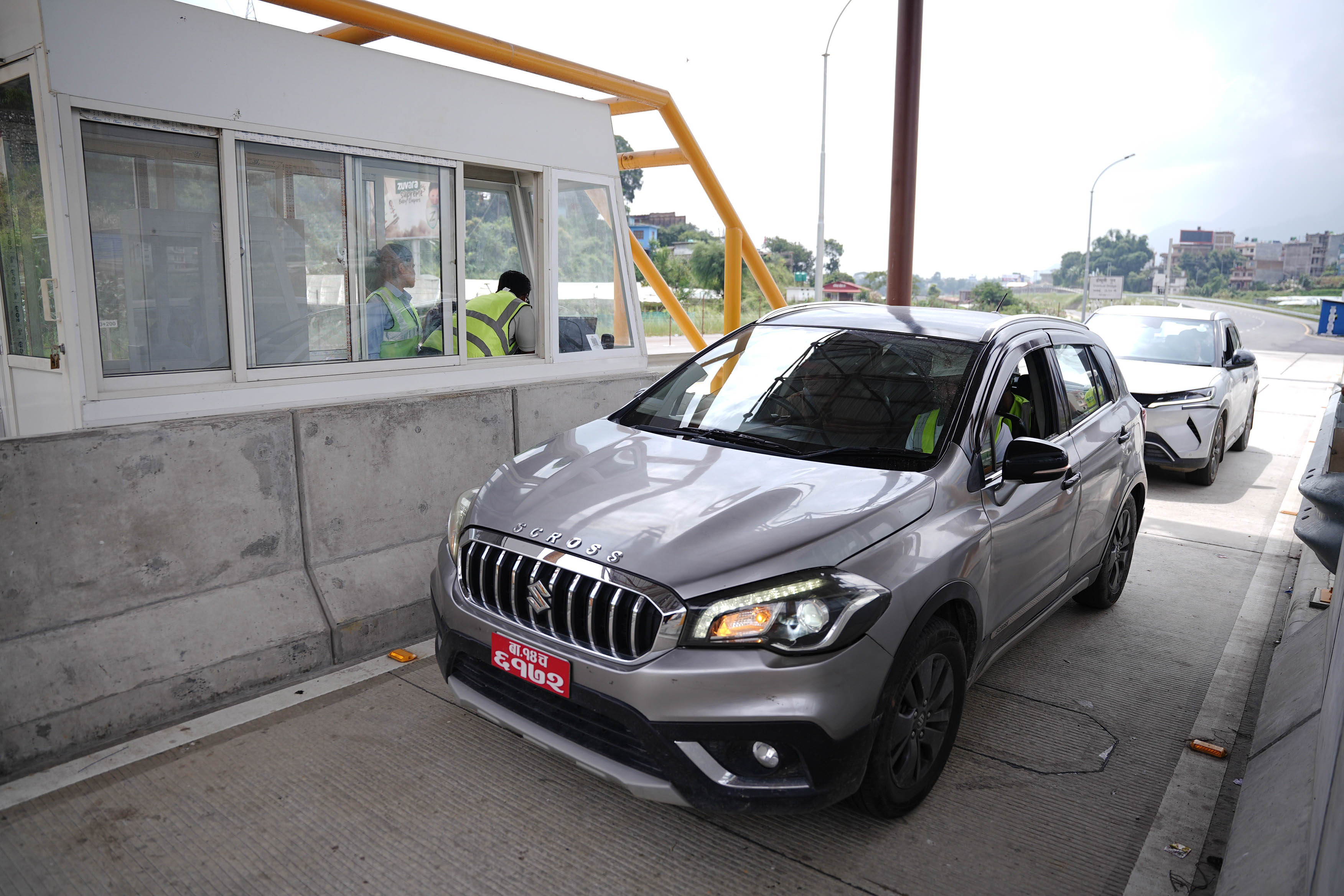
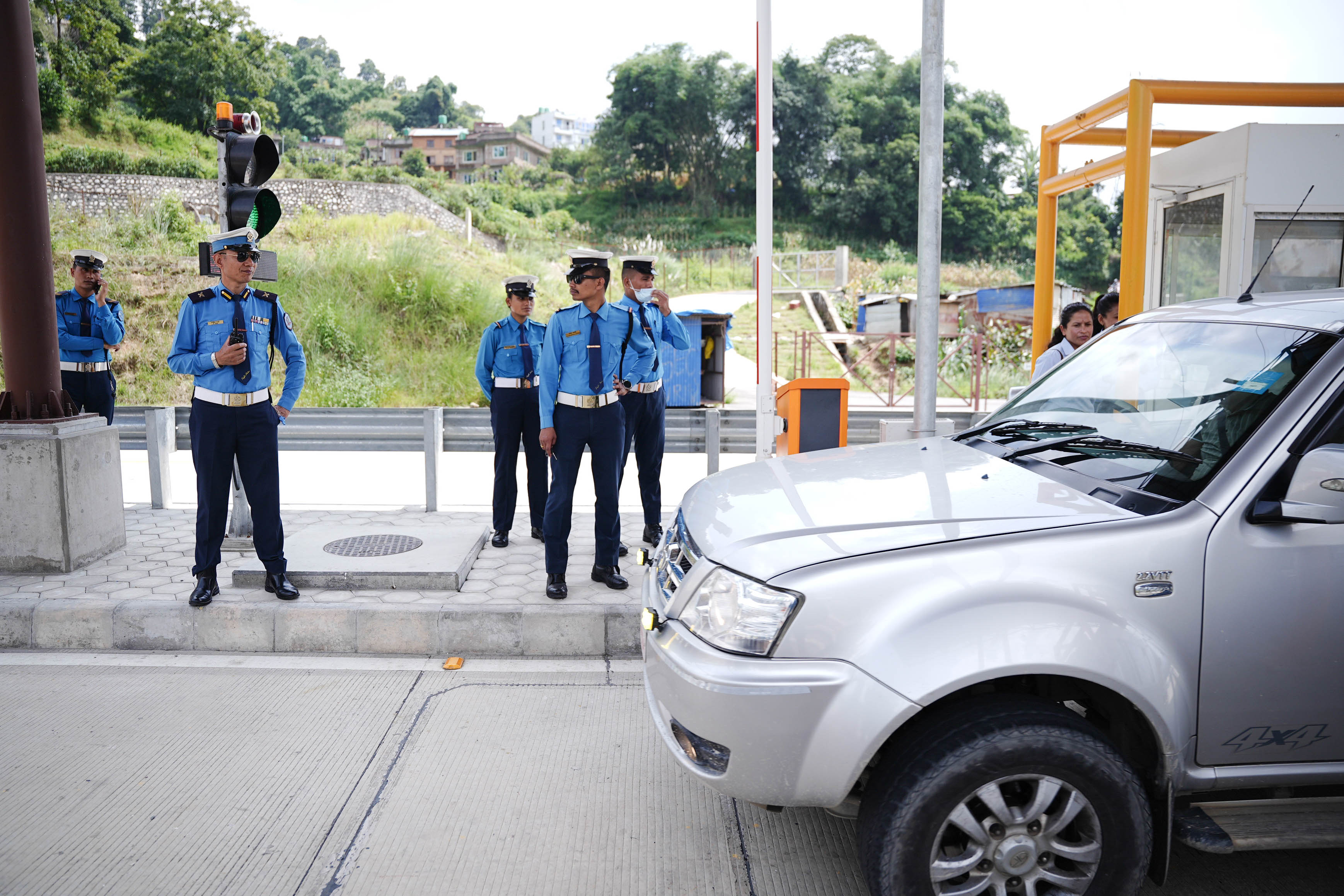
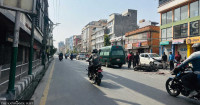
Private vehicles can now use the Nagdhunga tunnel, allowing more commuters to travel between Kathmandu and Dhading through Nepal’s first modern road tunnel.
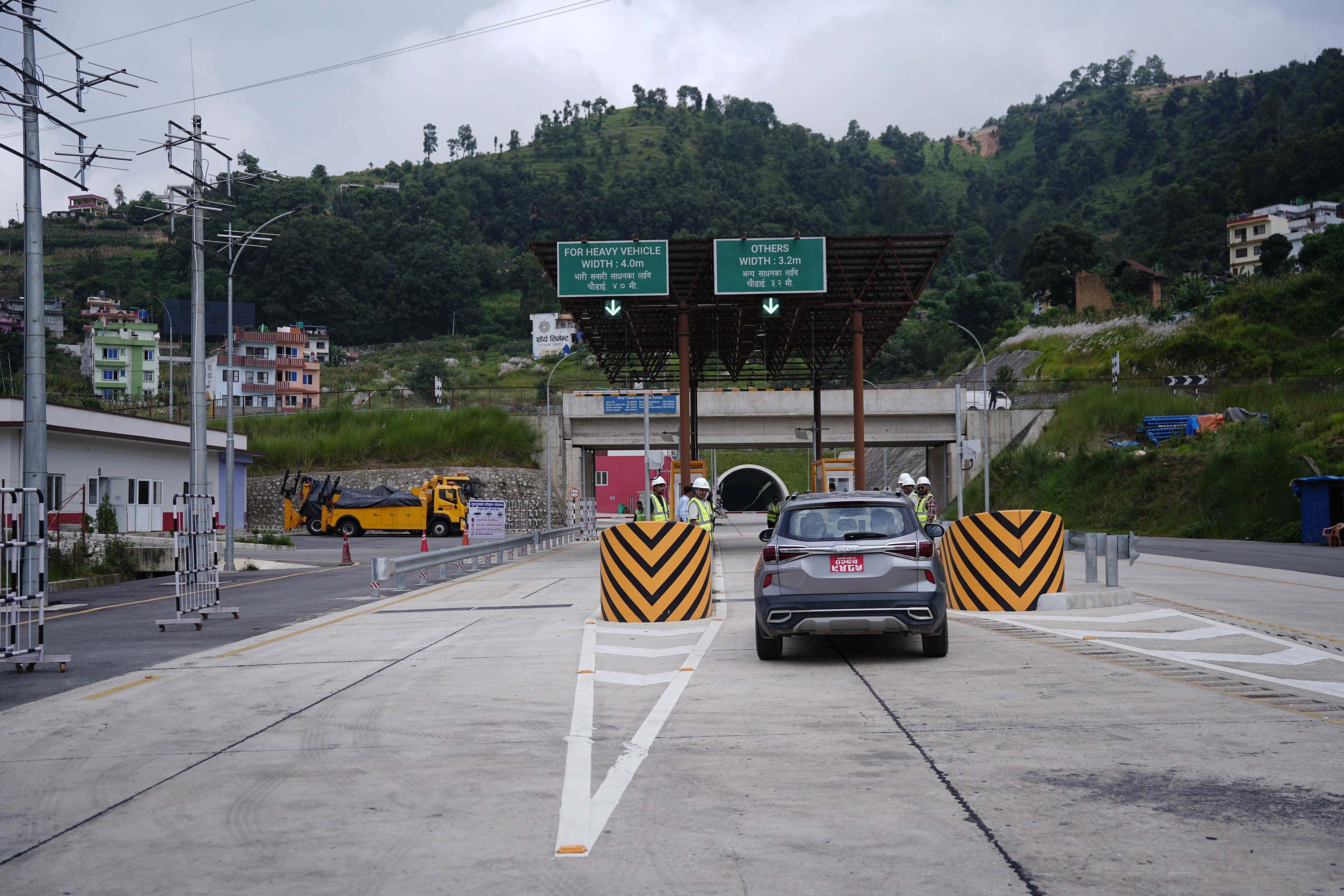
From Monday, cars, jeeps, vans and other private vehicles carrying up to nine passengers can use the tunnel. Since its inauguration on July 27, the facility had been open only to emergency vehicles.
Kabiraj Shrestha, deputy chief of the Nagdhunga Tunnel Road Safety Unit, said the tunnel was opened to private vehicles with up to nine seats.
The opening is part of a trial operation, with authorities planning to gradually allow more vehicle categories after reviewing the initial phase.
“We have started operations on a trial basis. We will analyse the situation this week and collect feedback from drivers about the difficulties and experiences they face while driving through the tunnel,” Shrestha said.
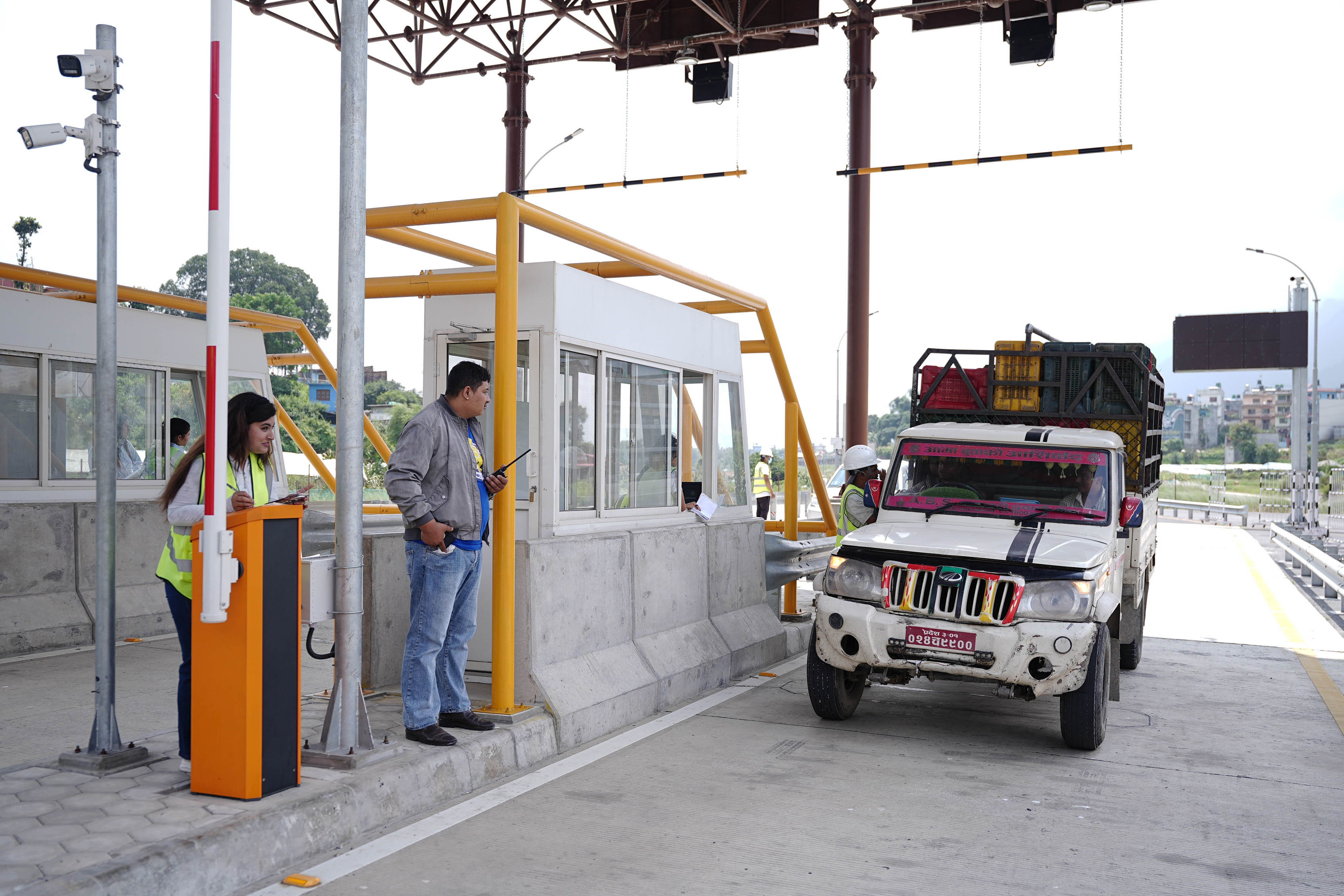
Private vehicles will not be charged during the trial period, he said. The tunnel will operate from 9 am to 6 pm for now. The flyover near Gurjudhara also came into operation on Monday morning, according to Shrestha.
Authorities have introduced strict traffic rules inside the tunnel. Vehicles must not exceed 40 kilometres per hour, headlights must remain on, stopping inside the tunnel is prohibited and overtaking is not allowed.
The safety unit and toll collection team are preparing for full-scale operation, with activities inside the tunnel being monitored through CCTV systems, Shrestha said.
Built at a cost of around Rs29 billion, the tunnel is Nepal’s first major road tunnel project. It was inaugurated on July 27, seven years after construction began. Minister for Infrastructure Development Sunil Lamsal inaugurated the facility in the presence of Japanese Ambassador to Nepal Maeda Toru and Japan International Cooperation Agency (JICA) President Tanaka Akihiko.
Then Prime Minister KP Sharma Oli laid the foundation stone for the project on October 21, 2019. The original agreement required construction to be completed within 42 months, but the project was delayed due to the Covid-19 pandemic, compensation disputes and other issues.
Nearly four years after the foundation stone was laid, the breakthrough of the 2.557-kilometre emergency tunnel was achieved on August 7, 2023. The breakthrough of the main tunnel followed 10 months later. Then Prime Minister Pushpa Kamal Dahal completed the breakthrough ceremony of the main tunnel on June 17, 2024.
The main tunnel stretches 2.68 kilometres, while a separate emergency tunnel runs alongside it.
Pedestrians, two-wheelers and vehicles carrying flammable materials, including diesel and petrol, are prohibited from entering the tunnel.
Vehicles passing through the tunnel will have to pay a certain toll amount once regular operations start. Cars and vans will have to pay Rs65 when entering Kathmandu and Rs60 when exiting. Minibuses and tipper trucks will be charged Rs115 for entry and Rs80 for exit. Buses and trucks will pay Rs260 and Rs200, respectively. Heavy trucks will be charged Rs600 for entering and Rs250 for exiting.
The project was initially financed through a deal involving Rs16.5 billion in Japanese assistance and Rs6 billion from the Nepal government. As costs increased during construction, Japan provided an additional Rs5 billion in loan assistance.
Japan’s Hazama Ando Corporation was awarded the construction contract for the tunnel project.




 24.82°C Kathmandu