Delayed response, absent leadership: How Sunsari’s violence spread unchecked
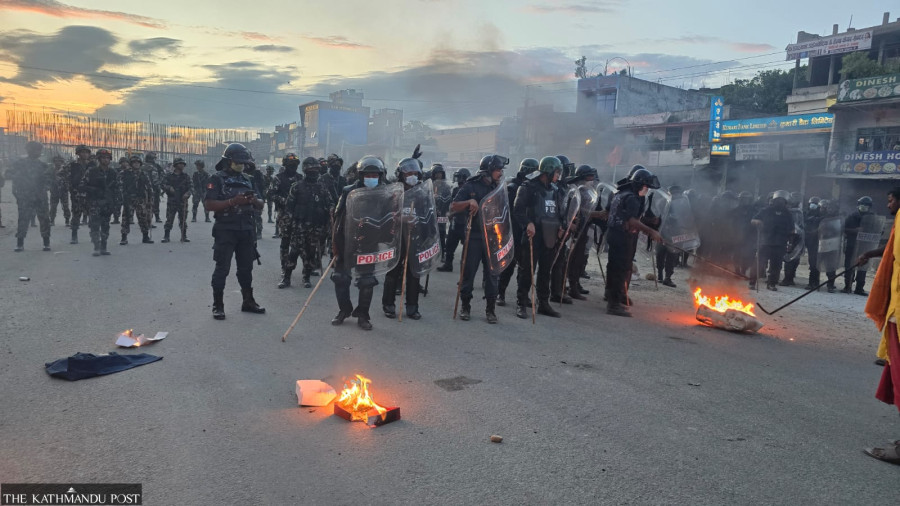
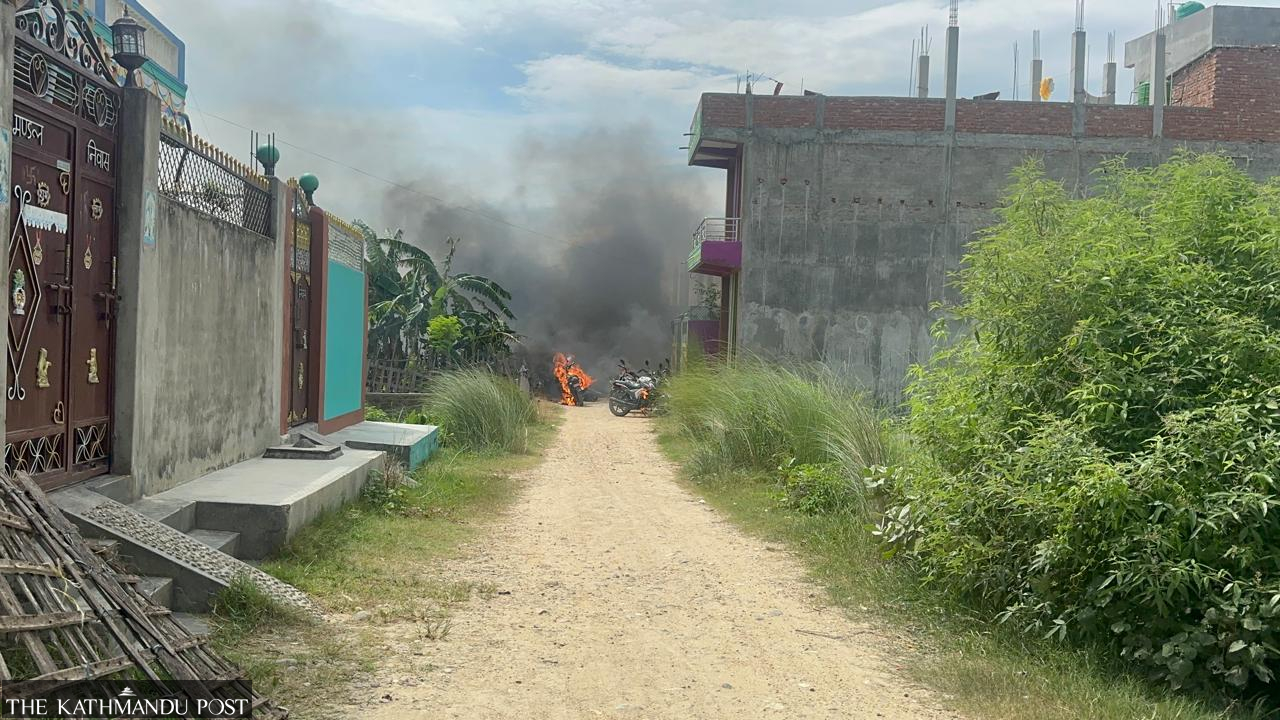
The violence, which began after a dispute between two groups in Dewanganj Rural Municipality of Sunsari, has spread to parts of Saptari, Siraha, Dhanusha and Parsa, prompting curfews, fresh protests and heightened security deployment. A scene at Golbazar in Siraha on Thursday as protests erupted across Madhesh Province. Post Photo
The government's delayed response—political and administrative—to communal violence in Dewanganj of Sunsari district has come under mounting criticism from security experts, rights advocates, opposition leaders and lawmakers. They say crucial opportunities to contain the crisis were missed, allowing tensions to spread to several districts and leaving three people dead in police firing.
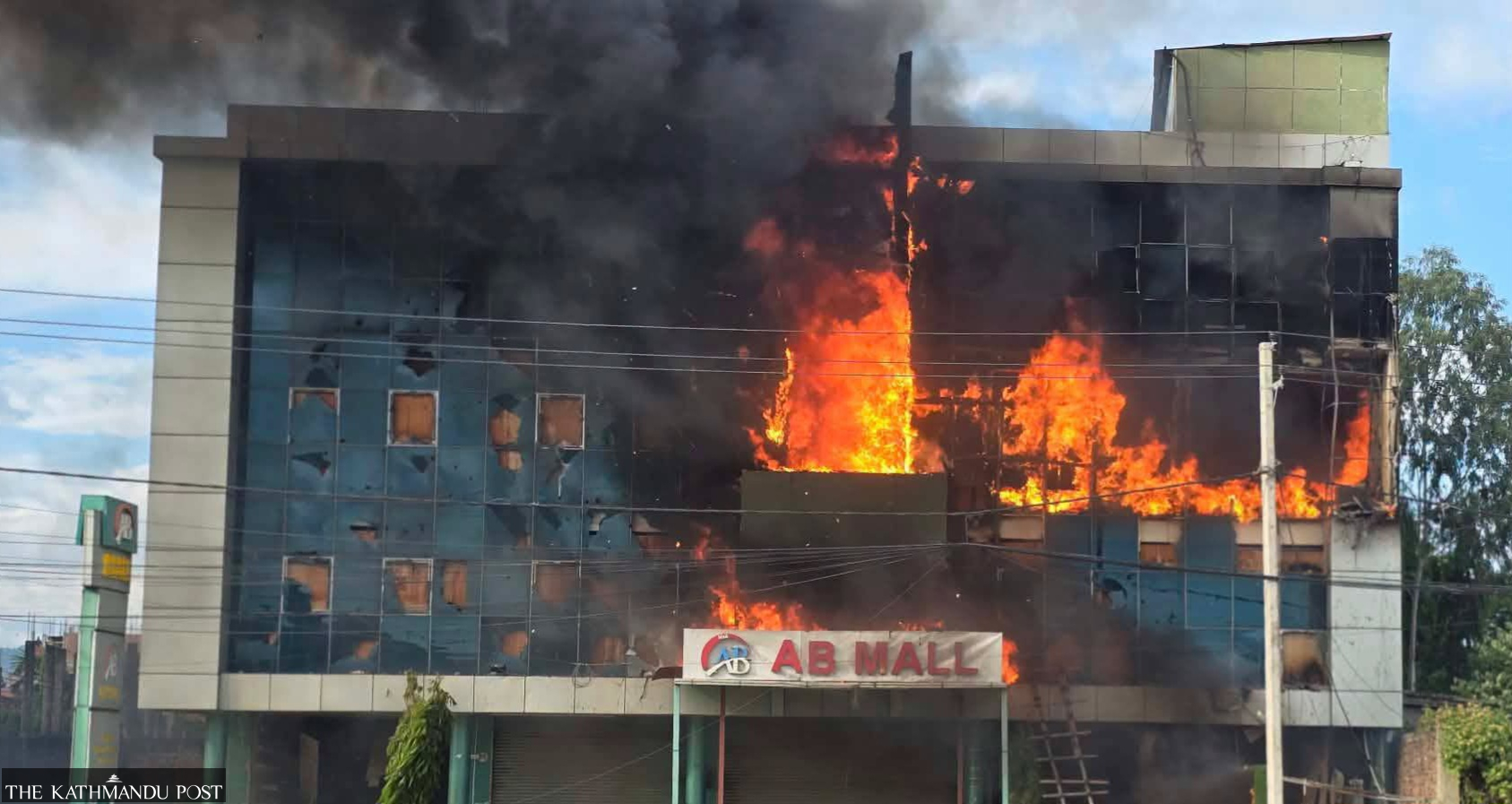
The violence, which began after a dispute between two groups in Dewanganj Rural Municipality of Sunsari, has since spread to parts of Saptari, Siraha, Dhanusha and Parsa, prompting curfews, fresh protests and heightened security deployment. Police firing during the unrest has left three people dead, while the number of injured, including security personnel, has continued to rise.
Questions have also emerged over the government's handling of the crisis. Critics say Prime Minister Balendra Shah and Home Minister Sudan Gurung failed to provide timely political leadership, neglected dialogue with stakeholders and relied primarily on security measures instead of preventive intervention.
Despite the seriousness of the incident, the government did not immediately engage local representatives, federal lawmakers, provincial assembly members, political parties, civil society groups or community leaders in efforts to calm tensions.
Although the home minister convened a security meeting shortly after the violence erupted, the prime minister did not even receive a briefing from the heads of the Nepal Police and the Armed Police Force immediately. He met them only four days after the incident and convened a meeting of the National Security Council on the fifth day on Thursday.
Neither Shah nor Gurung visited the affected area or formally addressed the nation in the immediate aftermath. The home minister travelled to Sunsari only five days after the violence, while the prime minister released a video message urging restraint.
A subsequent all-party meeting held in Sunsari on Wednesday was attended by aides to the home minister and the infrastructure development minister rather than senior government officials from Kathmandu.
The government's handling has drawn particular criticism because security agencies had reportedly warned three years ago about the possibility of communal violence in the area. According to officials and security experts, authorities also failed to gather and act on local intelligence before the clashes escalated.
Former National Human Rights Commission member and advocate Mohna Ansari said the state had failed in both coordination and crisis management.
"Why did the prime minister and home minister not treat the Sunsari incident with the seriousness it demanded from the very beginning?" Ansari asked. "How did a local dispute escalate to the point where police used live ammunition? And why was there no political outreach when it was obvious that tensions could spread elsewhere?"
She argued that imposing curfews alone could not restore public confidence. "The government itself should have been actively engaged. Local representatives, political parties and community leaders should have been mobilised immediately. The further firing on Thursday and the spread of unrest show weaknesses in both coordination and follow-up," she said.
Post Photo
The violence began on Sunday when a dispute between two groups in Dewanganj escalated into clashes. Security forces responded with what witnesses and rights advocates described as excessive force, including the use of live ammunition.
Thirty-year-old Om Prakash Mehata of Dewanganj-4 was killed after being shot by police, while at least nine local residents sustained serious injuries.
Twenty-year-old Jay Prakash Mehta later died while undergoing treatment at Neuro Hospital in Biratnagar.
The unrest subsequently spiralled into Madhesh Province. In Golbazar, Siraha, police again opened fire after demonstrations intensified despite a daytime curfew. Seventeen-year-old Ganesh Yadav of Aurahi Rural Municipality-2 died after sustaining a gunshot wound.
Security analysts argue that the spread of violence could have been prevented had authorities responded more quickly to intelligence warnings and prioritised dialogue over force. They say security agencies concentrated on restoring order only after violence had already erupted instead of taking preventive measures through community engagement and early intervention before tensions flared across the region.
The government's political response has also come under scrutiny. As tensions escalated, critics expected Prime Minister Shah and Home Minister Gurung to convene an all-party meeting to build consensus and send a unified message against communal violence.
Instead, that initiative was taken by Rastriya Swatantra Party Chairman Rabi Lamichhane, who consulted leaders of the Nepali Congress, the CPN-UML and other parties, seeking suggestions and cooperation to restore calm. Neither the prime minister nor the home minister attended the all-party meeting, prompting criticism from both ruling and opposition lawmakers.
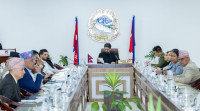
The issue also dominated Thursday's meeting of the House of Representatives, where members repeatedly demanded answers from the government. Although Speaker DP Aryal had reportedly advised the prime minister a day earlier to address Parliament on the deteriorating situation, neither Shah nor Gurung made a statement. Security chiefs had also suggested that Parliament be formally briefed, but lawmakers said the government remained silent despite growing public concern.
Most of the lawmakers who addressed Thursday's House of Representatives meeting questioned the absence of the prime minister and the home minister, demanding the government explain its handling of the incident.
Former prime minister Pushpa Kamal Dahal criticised what he described as the government's failure to provide political leadership at a time of crisis. "The situation seen in Sunsari, Morang and elsewhere must be resolved through dialogue and cooperation," Dahal told Parliament.
"The people must remain united against those trying to exploit divisions and make the situation worse. Although Lamichhane eventually called an all-party meeting, it was the prime minister who should have taken that initiative. His absence, along with that of the home minister, is deeply concerning."
PM Shah was expected to hold consultation with lawmakers from the affected area but that did not happen. Lamichhane held discussions with his party's lawmakers elected from Madhesh Province, urging them to play an active role in restoring communal harmony in their constituencies.
Participants complained that the government's engagement with affected communities had been inadequate and that victims' families had not received the support they expected from the state.
Post Photo
RSP lawmaker Deepak Kumar Sah said discussions focused on preventing further communal polarisation and identifying constructive ways for lawmakers to assist the government. Another RSP lawmaker, Manish Jha, argued that the state should first reach victims and address their concerns before relying on security measures alone. "The people responsible for running the state must respond promptly and visibly," he said.
Critics also questioned why the federal government failed to coordinate with provincial administrations, chief ministers, local governments and elected representatives despite having established mechanisms to do so.
Leaders, including Nepali Congress President Gagan Kumar Thapa and Dahal, said the extensive networks of political parties and elected representatives down to ward level could have been mobilised to appeal for calm and prevent misinformation from spreading.
Several Madhesh-based leaders, including Mahanta Thakur, Rajendra Mahato, CK Raut, Samim Ansari and former Constituent Assembly member Ram Kumar Sharma, urged restraint and warned against attempts to deliberately destabilise the Tarai-Madhesh region through communal polarisation. They demanded an impartial investigation and called for a high-level judicial inquiry led by a retired Supreme Court justice.
Questions have also been raised over the authorities' response to inflammatory content circulating on social media after the violence. Critics say security agencies failed to monitor and curb posts designed to inflame religious hatred.
Nepal Police spokesperson Abhinarayan Kafle said police had deployed teams to monitor misinformation using available technology, including an artificial intelligence desk, and promised legal action against those found spreading false or provocative content.
The incident has further exposed weaknesses within Nepal's intelligence and security apparatus. Despite previous warnings of possible communal unrest, authorities failed to assess the situation adequately or prevent escalation. The National Investigation Department, recently brought under the Office of the Prime Minister and Council of Ministers, has also come under criticism over its intelligence gathering.
Compounding those concerns, key security posts in Koshi Province and Sunsari were vacant or being handled by acting officials when the violence erupted. Sunsari district police chief Superintendent Keshav Kumar Thebe and Koshi Province Police chief DIG Binod Ghimire were on leave, while the Armed Police Force's Sunsari commander had been transferred two weeks earlier.
SPs Narayan Chimoriya and Suman Timsina from the provincial police office were later dispatched to coordinate operations. Critics argue that the leadership vacuum further weakened the state's initial response and deepened public distrust.




 20.83°C Kathmandu