



 26.87°C Kathmandu
Tue, Oct 27, 2026
Money
Nepal’s southern border is the new five-star frontier
Luxury hotels are rising across border towns as Indian casino-goers, wedding parties and pilgrims drive demand. Investors now hope better international air links will sustain the boom.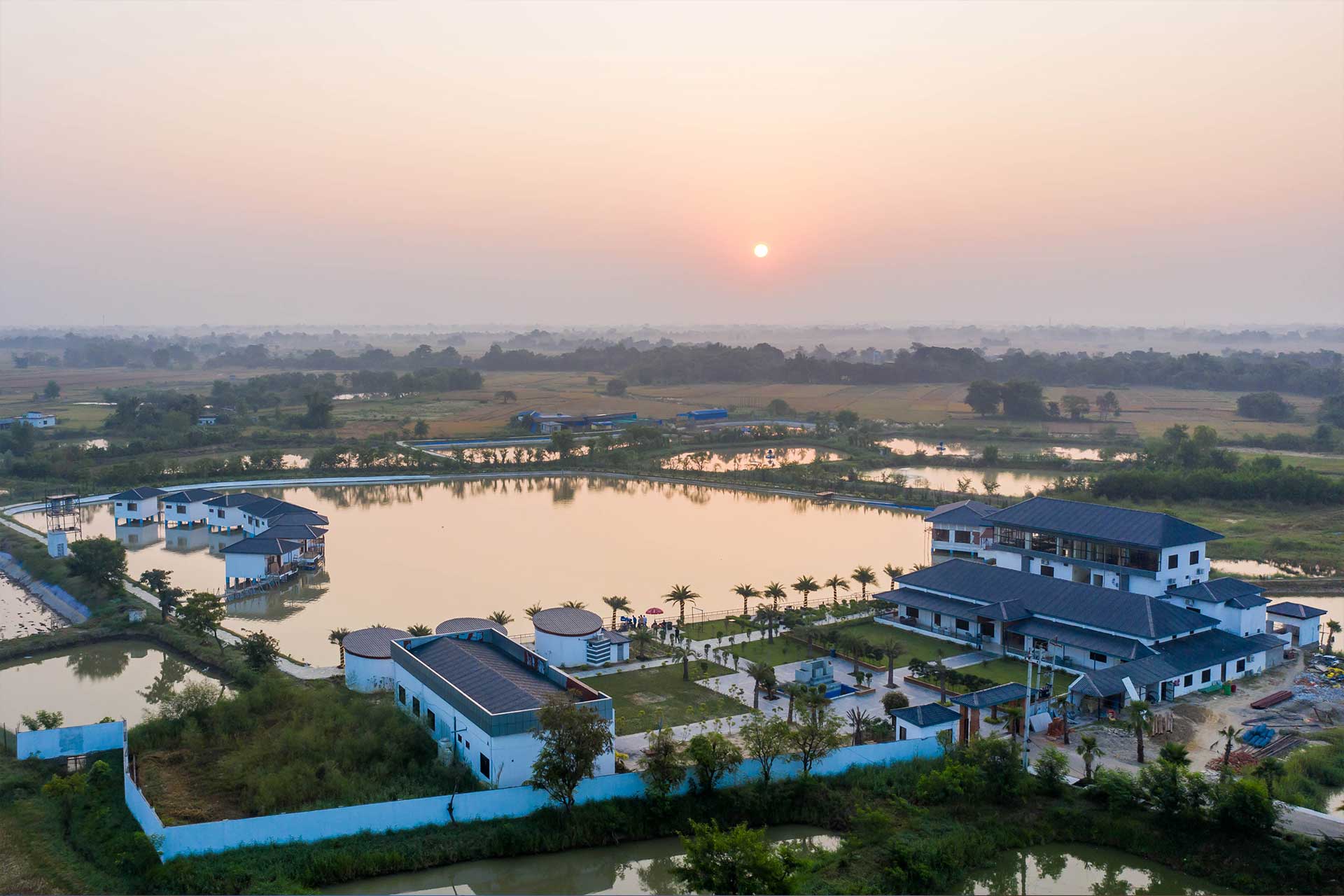
Post Report
Published at : August 7, 2026
Updated at : August 7, 2026 12:23
Pokhara, long recognised as Nepal’s tourism capital, has just one five-star hotel despite its reputation as a premier destination for domestic and international travellers. Many assume that the city has multiple luxury properties catering to high-end visitors, but the reality is quite different. The only five-star hotel currently operating in Pokhara is Pokhara Grand.
In contrast, Rupandehi, a district bordering India, has emerged as an unlikely hub for luxury hospitality. Although it does not have the same established tourism profile as Pokhara, the district already has four five-star hotels, while seven more are under construction or being upgraded to five-star standards.
The rapid growth of high-end hotels in Nepal’s border districts has been driven by a host of factors, including rising number of Indian visitors, casino tourism, religious tourism, and improved road connectivity. As a result, towns along the southern border are increasingly emerging as new centres for luxury hotel investment.
A decade ago, Nepal's southern border towns were known mainly for cross-border trade. Today, many are undergoing a different kind of transformation as luxury hotels rise along highways, around border crossings, and near major religious sites.
Across Bhairahawa, Nepalgunj, Dhangadhi, Mahendranagar, Jhapa, and Biratnagar, five-star hotels, international hotel brands and casino resorts are reshaping the hospitality landscape. Investors have poured billions of rupees into the sector, betting on rising tourist arrivals, religious tourism, and a steady stream of Indian visitors.
Behind the gleaming facades, however, lies a more complicated reality.
Many luxury hotels are struggling to fill rooms. Several investors have already exited the business, and others are finding it increasingly difficult to repay bank loans. Hotel operators say the investment boom has outpaced demand, and left the sector dependent on casinos and weekend visitors rather than sustained tourist arrivals.
Industry leaders argue the long-term success of these investments will depend largely on improved international air connectivity, particularly at Gautam Buddha International Airport in Bhairahawa, as well as better cross-border air links from cities such as Nepalgunj and Biratnagar.
The luxury hotel boom along Nepal's plains gathered pace after 2015.
Investors were encouraged by the government's decision to build the country's second international airport in Bhairahawa, the rapid growth of electronic gaming and mini casinos, the increasing popularity of destination weddings, and Bihar’s prohibition on alcohol that came into effect in April 2016.
Together, these developments created strong demand from Indian visitors seeking entertainment, short holidays and wedding venues just across the border.
Two months ago, during an interaction between hoteliers from Rupandehi and Kaski, Hotel Association Nepal Pokhara President Laxman Subedi pointed out how dramatically the balance of Nepal's luxury hospitality industry has shifted.
"Pokhara has a large number of hotels, but only one five-star property so far," he said. "Rupandehi already has half a dozen."
Rupandehi has emerged as Nepal's fastest-growing destination for luxury hotels after investors pinned their hopes on Gautam Buddha International Airport and Lumbini, the birthplace of the Buddha.
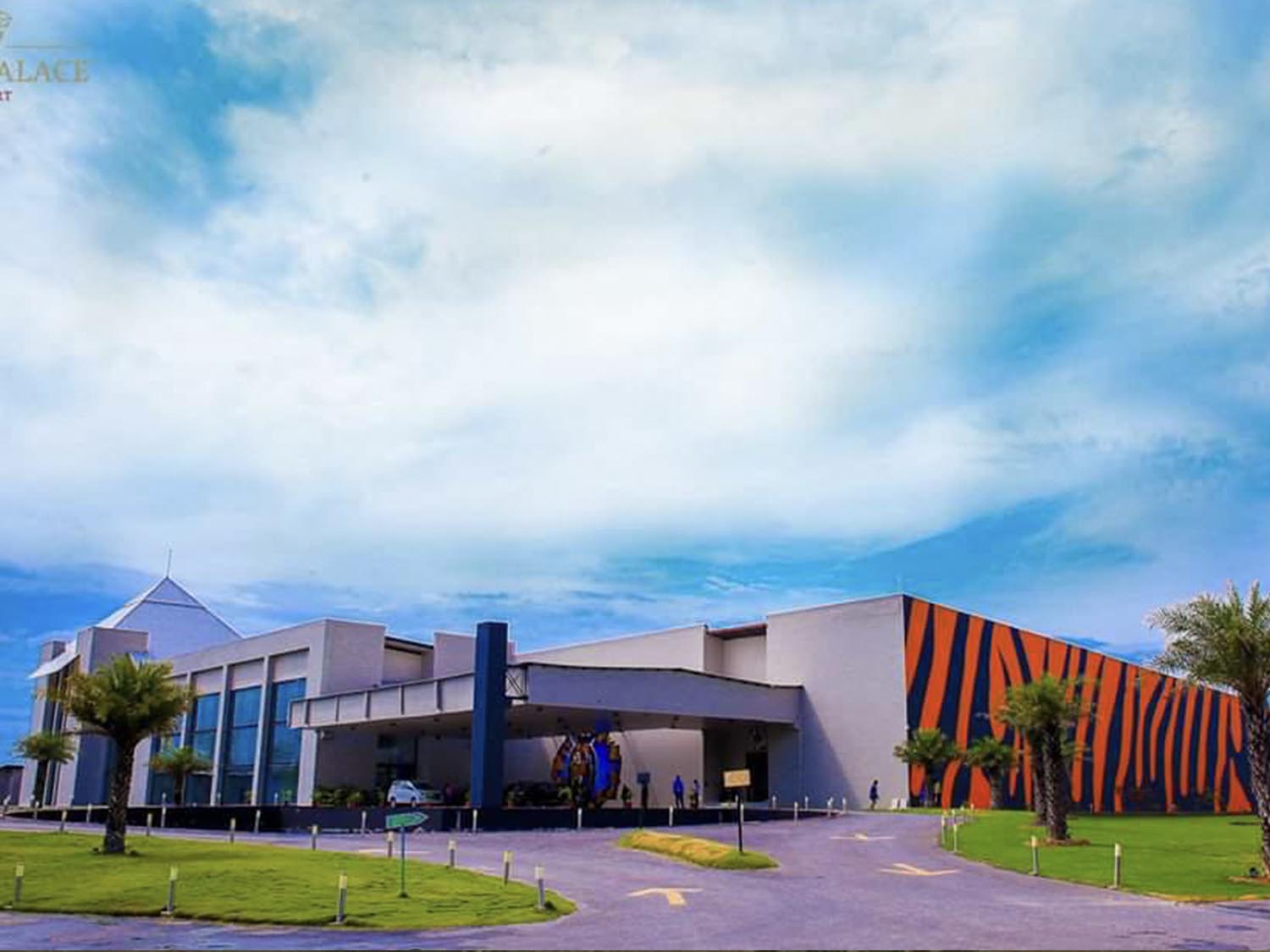
Five-star properties, including Lumbini Heritage, Siddhartha Vilasa, Tiger Palace by Soaltee, and Hyatt Palace are already in operation.
Hyatt Regency and Holiday Inn are under construction along the Bhairahawa-Lumbini corridor, while Lumbini Palace Resort is being upgraded into a Marriott-branded property. Yet another five-star hotel is under construction in Bhairahawa.
The influx of international brands marks a significant shift for a city once dominated by locally owned hotels.
"The arrival of international management companies is raising hospitality standards," said Anil Shrestha, operator of Lumbini Heritage Hotel. "One quality hotel after another is opening, improving both services and facilities."
Entrepreneurs say much of the investment was made in anticipation of Gautam Buddha International Airport becoming a major international gateway serving Buddhist pilgrims and foreign tourists.
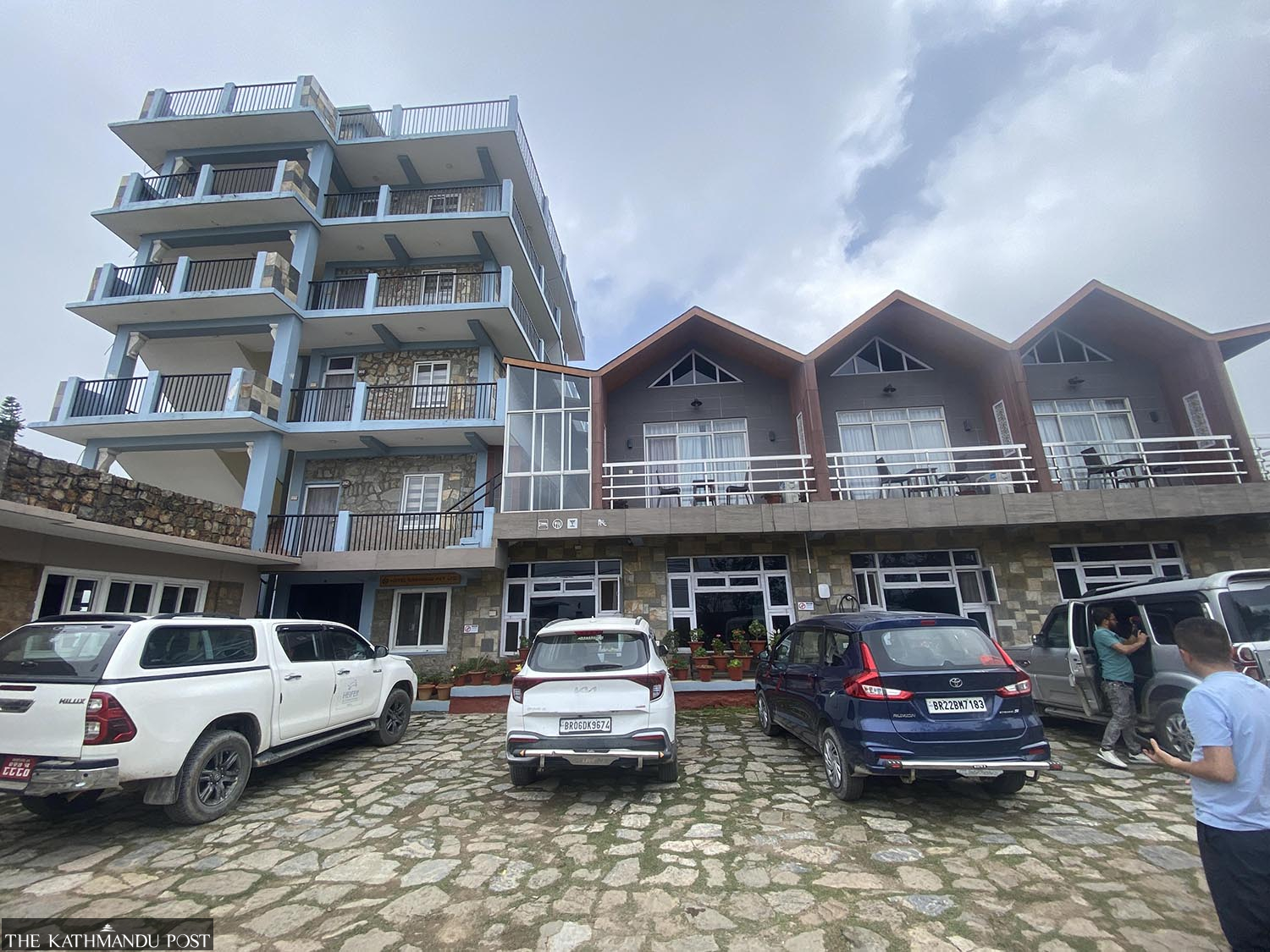
That expectation has yet to materialise.
Although the airport has been operational for more than three years, it has struggled to attract regular scheduled international airlines. Hotel owners are still waiting for the surge in visitors they had anticipated.
The district now has more than a dozen four-star hotels and over 100 quality hotels. Around a dozen casinos are already in operation, while several newly opened hotels are preparing to launch gaming facilities.
According to CP Shrestha, president of the Siddhartha Hotel Association, casinos remain the key source of business for local hotels.
"Most of our visitors are Indians who come for entertainment," he said. "The number of star hotels with casinos is increasing. If regular international flights begin operating from Gautam Buddha International Airport, investment will increase even further."
He estimates that around Rs100 billion has already been invested in Rupandehi's hotel industry alone.
Yet the returns have fallen well short of expectations. Some investors have sold their hotels after failing to attract enough guests, while others are struggling to repay bank loans they took to finance ambitious projects. Hotel operators say occupancy rates remain below projections despite continued investment in new properties.
Casinos, destination weddings, religious tourism and short leisure trips from India have become the main drivers of investment. Even so, hotel operators across the border belt acknowledge that occupancy rates remain below expectations, making casinos and banqueting critical sources of revenue.
In Sudurpaschim province, Dhangadhi has emerged as the region's newest hospitality hub.
The biggest project is a five-star hotel being built by Chaulani Club in partnership with Holiday Inn, an international brand under the IHG Group. The Rs2.2 billion hotel is scheduled to open next year. It will have 115 rooms, including five premium suites.
Man Singh Saud, managing director of Chaulani Club, said the project would bring international-standard hospitality to a province that has long lacked luxury accommodation.
"The hotel will elevate tourism and investment in Sudurpaschim and set new standards for hospitality in the province," he said.
Another major project, the four-star Sunlight Hotel, is also nearing completion in Dhangadhi. The project is another sign of growing investor confidence in the city's long-term tourism potential.
Much of that optimism is based on increasing cross-border movement from neighbouring India and expectations that western Nepal will attract more business travellers, domestic tourists and international visitors in the coming years.
The farwestern town of Mahendranagar has already become a casino destination.
Three-star hotels with gaming facilities now operate in the town, with Opera Hotel remaining the oldest and well established. Operating for nearly two decades, the hotel recently upgraded to four-star status and has leased its casino operations to CMG Club.
Hotel manager Ganesh Chataut said Indian visitors continue to dominate the customer base.
"Indian tourists are our main customers," he said. "But business has become more difficult because tourism activity has slowed."
Diamond Hotel and Rupam Hotel opened in recent years. Diamond already operates a casino, while Rupam has leased out its gaming operations.
Diamond proprietor Surendra Singh said the hotel is being upgraded to a four-star property at a cost of more than Rs500 million.
"We expect the project to be completed within a year," he said.
Although hotel construction continues, the casino remains the property’s main draw.
According to Singh, between 150 and 200 visitors arrive daily to use the casino, many travelling from Indian cities as far away as New Delhi.
Further east in Banke, Nepalgunj presents another example of how casino tourism has become the backbone of the local hospitality industry.
Unlike many other border towns, however, Nepalgunj’s hotels cater to a broader mix of visitors. Indian tourists come to gamble, while domestic travellers use the city as a commercial hub.
The city also serves as a gateway for pilgrims heading to Kailash Manasarovar in Tibet through the Humla route.
Hotels have diversified to meet this wider demand, investing in spas, conference facilities and banquet halls, alongside casinos.
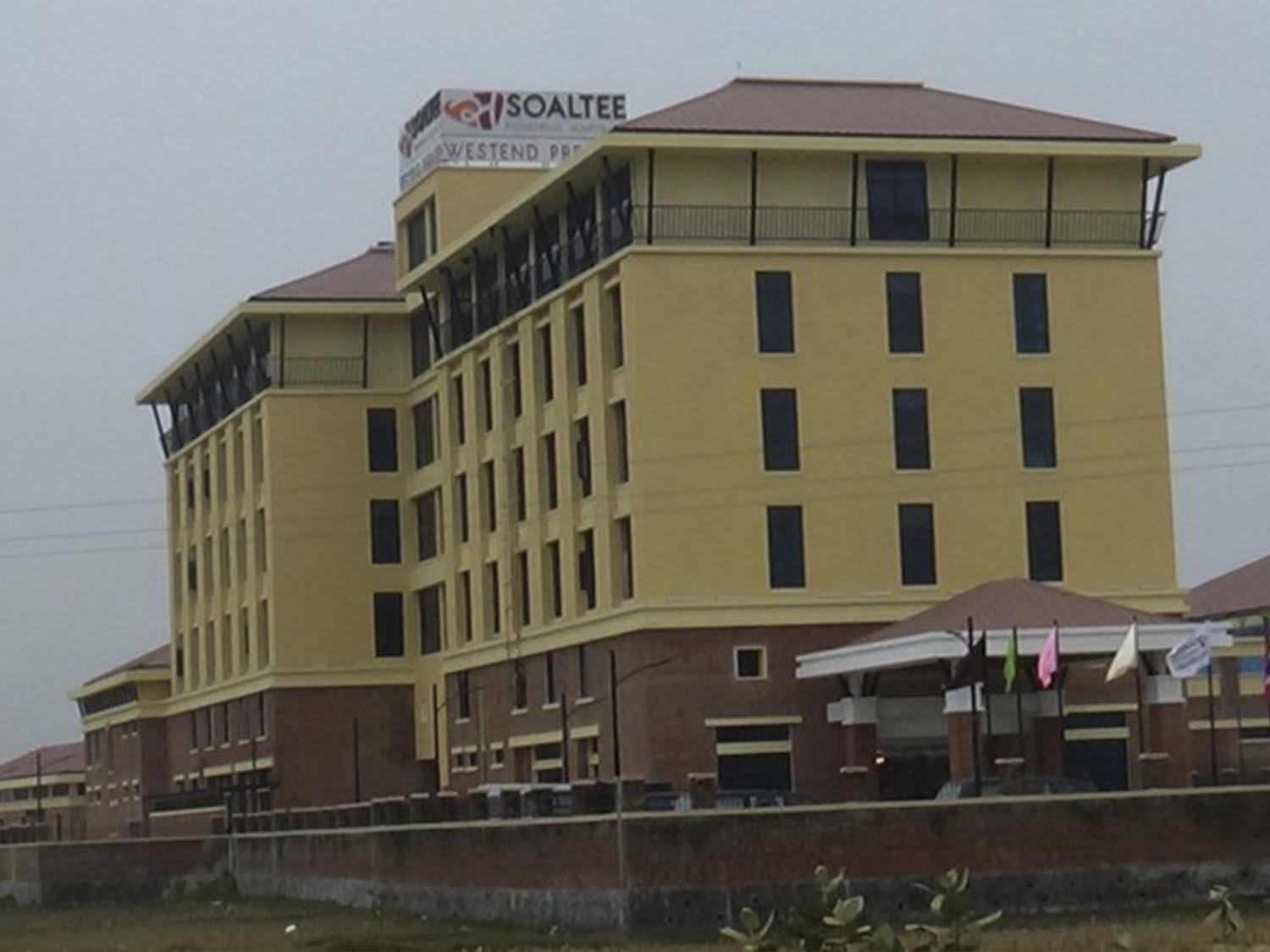
Pratik Shrestha, sales manager at Hotel Soaltee Westend Premier, said business is no longer limited to gaming.
"We host corporate programmes, conferences, weddings and organisational events," he said. "Foreign trekkers also stay here alongside Indian visitors."
Diamond Palace at Lords Plaza, a four-star property, has positioned itself around casino and spa facilities.
Bhojraj Shah, the hotel’s sales manager, said 95 rooms are regularly occupied by Indian guests, many of whom cross the nearby border specifically for the casino.
A five-star hotel under the Pauwa brand is also under construction, signalling investors' continued confidence despite challenging market conditions.
Keshav Neupane, regional executive director of Siddhartha Business Group of Hospitality, said Nepalgunj's strategic location gives it a broader tourism base than many other border towns.
Besides casino visitors, Indian pilgrims travel through Nepalgunj on their way to Kailash Manasarovar, while others combine visits to Lumbini and Pashupatinath.
Bhimlal Kandel, president of the Hotel Entrepreneurs' Association’s Banke district chapter, said nearly Rs12 billion has been invested in hotels across the district, which now has around 3,000 small and large accommodation facilities.
In south-central Nepal, the Triveni area in eastern Nawalparasi has also witnessed a surge in hospitality investment.
More than Rs1 billion has already been invested in hotels and restaurants catering to Indian tourists and pilgrims.
Grand Triveni Resort has begun operations and is preparing to launch casino services. Its proprietor, Sushil Kumar Baniya, said the project specifically targets Indian tourists as well as pilgrims visiting the religiously significant Triveni area.
Another project, Tirupati Resort and Casino, is also preparing to begin operations.
Santosh Rana, president of the Hotel Entrepreneurs Association’s Nawalpur district chapter, said more than Rs1 billion in fresh investment has flowed into the district in recent years as entrepreneurs seek to capitalise on cross-border tourism.
The investment wave has spread to Nepal's eastern border districts as well, with Jhapa and Morang rapidly emerging as new hospitality hubs, fuelled by casinos and Indian tourist traffic.
Mechi Crown, a five-star deluxe hotel in Mechinagar, sprawls across eight bigha (5.4 hectares) and offers 105 rooms, villas, restaurants, banquet halls, a helipad, spa, a swimming pool, a gymnasium, and other sporting facilities.
Its proprietor, Balram Sapkota, said he made the investment since quality accommodation had long been lacking in eastern Nepal. He added that his Casino Vegas attracts large numbers of Indian visitors every day.
Another five-star property, Hotel Ashwattha, opened in Mechinagar last year with an investment of Rs1.3 billion by media entrepreneur Prajjwal Ghimire.
Kingsbury Hotel has also opened in Birtamod, taking the number of five-star hotels in Jhapa to three.
Investment continues to grow.
Hotel Eastern Nepal Pvt Ltd is building another five-star hotel in Dhulabari with an investment of around Rs934 million, while another luxury property is nearing completion in Birtamod.
In neighbouring Biratnagar, Lemon Tree Premium recently began commercial operation as the Indian hospitality group's first hotel in the city and its third property in Nepal.
Built with an investment of around Rs2 billion by local entrepreneurs Manoj Bikram Shah, Kabin Shrestha, Bikash Chaudhary and Prashant Tated, the hotel features 80 rooms ranging from deluxe accommodation to presidential suites.
Hotel operators say Bangladeshi tourists are also beginning to stay in eastern Nepal, adding another source of demand alongside Indian visitors.
Despite being Nepal's busiest land border crossing and one of its largest commercial centres, Birgunj remains an exception to the luxury hotel boom.
The city still has no five-star hotel.
Instead, three four-star properties—Clarks Resort, Siddhartha Diyalo and Sarovar—dominate the market.
Bishwo Hotel, one of the city's oldest establishments, continues to operate as a three-star property, while hotels such as Makalu, Pujan and Suraj have upgraded their facilities to remain competitive.
Five mini casinos currently operate from Clarks Resort, Siddhartha Diyalo, Sarovar, Bishwo Hotel and Hotel Suraj.
Although Birgunj handles the country's largest volume of cross-border trade and has one of the country’s biggest business communities, its hospitality sector has yet to attract the scale of investment seen in other border towns.
Reporting by Bhawani Bhatta in Mahendranagar, Ranjana BC in Kailali, Rupa Gahatraj in Nepalgunj, Dipendra Baduwal in Bhairahawa, Nabin Paudel in Parasi, Shankar Acharya in Birgunj and Parbat Portel in Biratnagar.
Related News

×