In the Buddha’s birthplace, a famous nun’s appointment draws fire
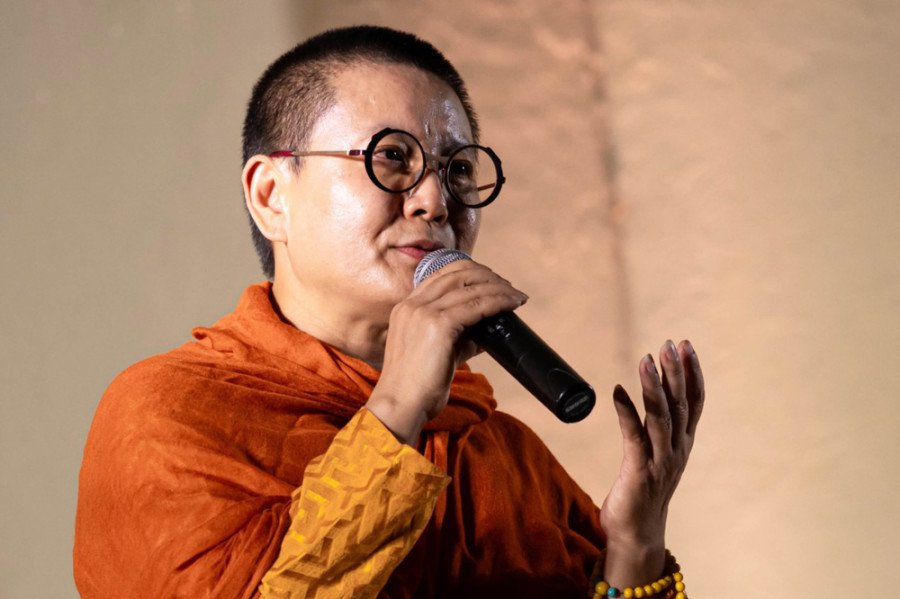
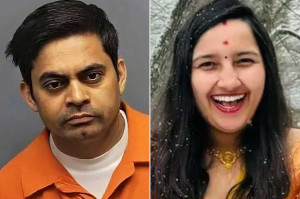
Protesters want Ani Choying Drolma’s selection as head of Lumbini’s development trust annulled over questions about her money and her citizenship. She says every question has been answered. The record is less certain. Ani Choying Drolma File Photo
Ani Choying Drolma first won the public’s affection with a song about how the world looks different to different eyes. Nine days after her appointment as the vice-chair of the Lumbini Development Trust, Nepal is showing how true that can be.
On October 16, the Cabinet, acting on a proposal from the Ministry of Culture, Tourism and Civil Aviation,appointed the singer-nun to a post that had stood vacant for nearly five months. Within a day, a protest movement had formed against her.
The objections are not about her music. Her critics say the head of an institution responsible for a site of such spiritual and international weight should be beyond question, and that Drolma is not. They point to $1.65 million that arrived in her bank account from Hong Kong in 2018, the money-laundering investigation that followed, and doubts about how she came to hold Nepali citizenship. She says all of this has been settled. The department that investigated her says only that the file was shelved.
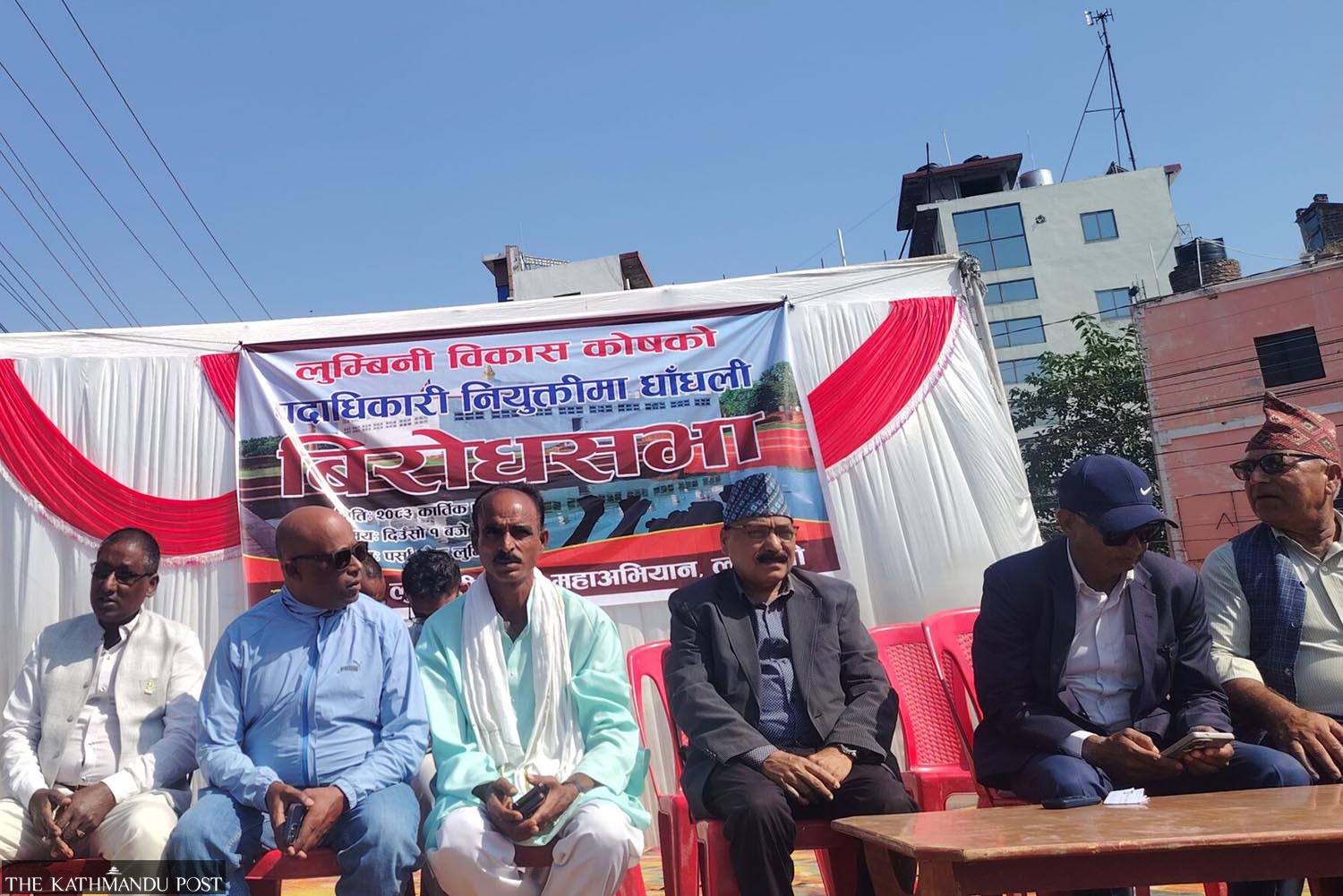
TheSave Lumbini Grand Campaign began its protests on October 17, according to its coordinator, Akram Khan. “We will continue with public assemblies, press conferences, rallies and sit-ins until the appointment is revoked,” he said.
The campaign has fought this kind of battle before: last November it demanded the cancellation of the trust’s member secretary appointment, saying local people had been ignored. Residents and community leaders have now joined the call for the decision to be scrapped immediately. Khan said the appointment sends the wrong message, and the campaign accuses the government of passing over local intellectuals, scholars of Buddhism and other qualified people.
Participants of the protest program held on Sunday Post Photo
The campaign says it had been pressing Minister Khadga Raj Paudel, in several meetings, to appoint a local, and that the minister had seemed receptive. Then came Drolma’s name.
“The government has handled this in a high-handed way, and we were left with no choice but to protest,” said Ram Bikas Chaudhary, the campaign’s co-coordinator. “There were many qualified and knowledgeable people in this field. By sending a controversial figure back to Lumbini, the government has only deepened our suspicion. We will not let her come. The government must correct this decision.”
The campaign has also raised the matter of her citizenship. Drolma’s memoir, Phoolko Aankhama(named after her most popular song), says her parents came to Nepal as Tibetan refugees. The campaign says allegations have surfaced publicly that she obtained citizenship by descent on forged details, by producing a father who was not her own. It says the matter needs to be clarified.
The financial questions go back to the spring of 2018. After the source of money arriving in an account at the then Mega Bank Limited came to light, the Department of Money Laundering Investigation opened a case against her, and the central bank’s Financial Information Unit examined it at the same time. On three consecutive days, two Hong Kong nationals, named in the records as Liang Chung Hang and Jiori, deposited $579,980, $539,980 and $529,980. The total was $1,649,940, then worth about Rs183 million.
Nepal Rastra Bank stopped the transfers. It said that around Rs200 million had been brought in without informing any authority, though permission is required to bring money in from abroad, and that she was trying to bring in more than Rs180 million. Only the three deposits were frozen.
The dispute left its mark on the department. Its then director general, Jiwan Prakash Sitaula, was transferred, and another director general, Rupnarayan Bhattarai, was also leaned on. The department, which sits under the Finance Ministry, had been brought under then Prime Minister KP Sharma Oli’s own authority soon after he took office. Two months after her money was frozen, Drolma appeared on Nepal Television’s “Janatasanga Pradhan Mantri” andpledged Rs10 million to Oli’s programme to replace tuin bridges, the improvised cable crossings villagers use to cross rivers. She has run the Arya Tara School for nuns in Pharping, Kathmandu, since 2000, and has maintained that the money was meant for the school.
Drolma has dismissed the protests. She said she would travel to Lumbini soon to take up the post. “I believe in doing good, so these petty protests mean nothing,” she told Kantipur. “All the questions raised about me have already been resolved. That is why the government appointed me.” Everyone, she added, should now work together to build Lumbini.
Support has come from Bhikkhu Metteya Shakyaputta (Awadhesh Kumar Tripathi), a former vice-chair of the trust, who welcomed the decision in a social media post on Saturday. “Lord Buddha founded the order of nuns and gave women an honoured place on the path of dharma,” he wrote, “so it is deeply meaningful and inspiring that a nun should now be entrusted with the protection and development of his birthplace.” There is no room to doubt her devotion to Buddhism, he said, and her decades of work in education, health and humanitarian service are plain for all to see. He respectfully urged the government and the agencies concerned to settle the questions about her swiftly, impartially and transparently.
The only formal inquiry to examine her, however, has gone quiet. The department investigated Drolma in 2018 and, after one phase, put her file on hold. In 2019, it decided no investigation was needed for the time being and shelved it. An officer, who did not wish to be named fearing repercussions from the department, said the file would be revived only if new evidence emerged.
“The case was put on hold back then, with a decision not to investigate, and sent to the shelved files,” the officer said. “There has been no discussion at all since.”




 17.49°C Kathmandu