Cyclone Arnab’s remnants raise landslide risk on Nepal’s main highways
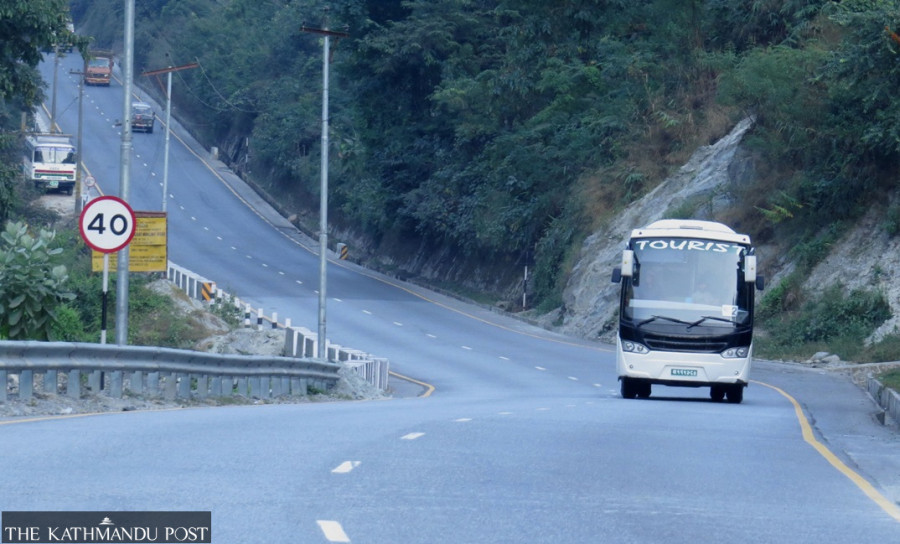
Authorities have flagged key routes as vulnerable to landslides, rockfalls and flooding as the storm that struck India’s Andhra Pradesh coast weakens and brings rain to Nepal. Post file photo
Nepal’s authorities have warned of increased landslide and flood risks along several major highways over the next few days as the remnants of Cyclone Arnab bring rain to parts of the country.
The Flood Forecasting Division and the River and Water Induced Disaster Management Division issued a preliminary landslide risk assessment and early warning on Thursday, identifying vulnerable highway sections in the Narayani, Bagmati and Koshi river basins and surrounding areas.
The warning comes after Cyclone Arnab made landfall along India’s Andhra Pradesh coast on Wednesday, bringing strong winds and heavy rain. The storm has since weakened into a deep depression, but its residual weather system is expected to bring further rainfall as it moves inland.
The authorities warned that hilly terrain and steep slopes could be particularly vulnerable to landslides and falling rocks. Roads running alongside rivers could face flooding and erosion as water levels rise, while heavy flows in smaller streams and through roadside culverts could damage roads.
The assessment identifies the Narayanghat-Muglin highway, which runs alongside the Trishuli and Narayani rivers, as a risk area. Vulnerable sections of the Koshi and Siddhartha highways have also been flagged, along with the Kanti and Araniko highways and roads connected to the Bagmati river basin.
Other highway sections with a history of landslides or those running close to rivers are also considered vulnerable.
Landslides and floods could block roads and disrupt transport, including the movement of essential supplies, the warning said. The notice outlines potential hazards but does not report any confirmed road closures.
The authorities have urged the public to avoid travelling on highways during rainfall unless necessary. Those who must travel have been advised to check updates from traffic police and road authorities before setting out.
The warnings follow the cyclone’s passage across India’s eastern coast. The India Meteorological Department said Arnab crossed the Andhra Pradesh and Yanam coasts on Wednesday with sustained winds of 125-135 kph and gusts of up to 150 kph before weakening as it moved inland.
Although the risk of similarly strong winds in Nepal is expected to be lower as the system weakens, rain and snowfall remain possible. Authorities have urged trekkers and mountaineers to check official weather forecasts before travelling.
The Department of Tourism, Nepal Tourism Board and Nepal Mountaineering Association have advised tourists and climbing teams to review updated forecasts before undertaking trekking or mountaineering trips.
Nepal’s Civil Aviation Authority has also directed airports and relevant agencies to prepare for possible weather-related disruption, including by reviewing flight plans, runway inspections, air traffic management and communications and power systems.
District administrations and security agencies have been asked to remain alert, assess local risks and take preventive measures. The government has urged the public to rely on official notices rather than rumours and to follow weather advisories.




 18.22°C Kathmandu