Nepal seeks mountain-specific early warning systems after devastating flood
Foreign Minister Shisir Khanal calls for better cross-border data sharing, improved high-altitude monitoring and predictable climate finance to protect vulnerable communities.
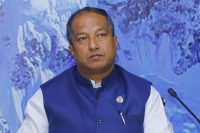
Foreign Minister Shisir Khanal has called for mountain-specific early warning systems, better cross-border data sharing and predictable climate financing, saying existing mechanisms are inadequate to protect vulnerable communities from climate-induced disasters.
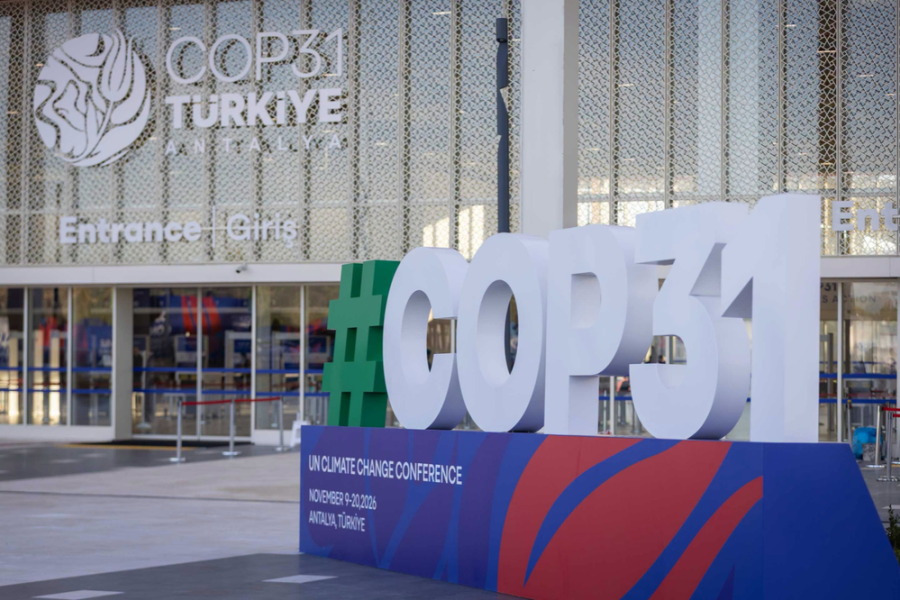
Addressing a high-level event titled “Early Warnings for All: Delivering on Our Promise to Protect Everyone” on the sidelines of the 31st United Nations Climate Change Conference (COP31) in Antalya, Türkiye, Khanal described early warning systems as a lifeline for communities in disaster-prone mountain regions.
“In the early minutes of a disaster, our early warning system sent millions of SMS, and downstream communities did receive localised warnings, but it wasn’t enough,” he said, referring to shortcomings exposed by recent disasters.
He said mountainous countries such as Nepal face particular difficulties in forecasting and responding to climate-related disasters because of challenging terrain, inadequate observation infrastructure and the cascading effects of glacial and hydrological hazards.
Khanal called for better monitoring of high-altitude areas through real-time telemetry systems, satellite-based remote sensing and cryosphere monitoring adapted to complex mountain environments.
He also stressed the need to strengthen the last mile of early warning delivery so that alerts reach vulnerable communities in accessible formats and local languages, accompanied by timely anticipatory action.
Calling for stronger cross-border data sharing, Khanal invoked Nepal’s “Sagarmatha to the Sea” vision to highlight the need for cooperation among countries sharing interconnected river systems and mountain ecosystems.
He urged the international community to provide predictable, accessible and grant-based climate finance to ensure that early warning and disaster preparedness systems reach everyone, particularly vulnerable mountain communities.
Khanal also called for greater global solidarity and cooperation to address the cascading effects of climate-induced disasters, which increasingly threaten lives, livelihoods and infrastructure in both mountain and downstream regions.
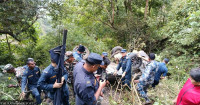
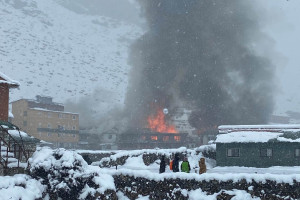
Nepal’s recent experience of devastating floods and landslides has exposed gaps in disaster preparedness and early warning systems. Floods on August 26, triggered by extreme rainfall and mountain hazards, caused widespread destruction in several districts, particularly along the Bhotekoshi and Trishuli river corridors.
The disaster highlighted the challenges of turning warnings into timely evacuations and effective protection, particularly in remote settlements and communities along riverbanks.
Nepal has been pushing for greater international recognition of the specific vulnerabilities of mountain ecosystems, alongside increased climate finance, technology transfer and stronger monitoring systems to address risks in the Himalayas.
At COP31, Nepal has continued to press for a stronger mountain agenda, arguing that the effects of global warming on the Himalayas extend far beyond national borders.
Anil Giri is a Chief Sub Editor covering diplomacy, international relations and national politics for The Kathmandu Post. Giri has been working as a journalist for more than two decades, contributing to numerous national and international media outlets.




 14.12°C Kathmandu