



 22.68°C Kathmandu
Tue, Oct 27, 2026
Visual Stories
Handigaun Jatra: A jatra like no other
Handigaun’s three-day festival features upside-down chariot spires, wax flowers and a legend about a woman who endured 12 years of labour.Post Report
Published at : October 27, 2026
Updated at : October 27, 2026 11:30
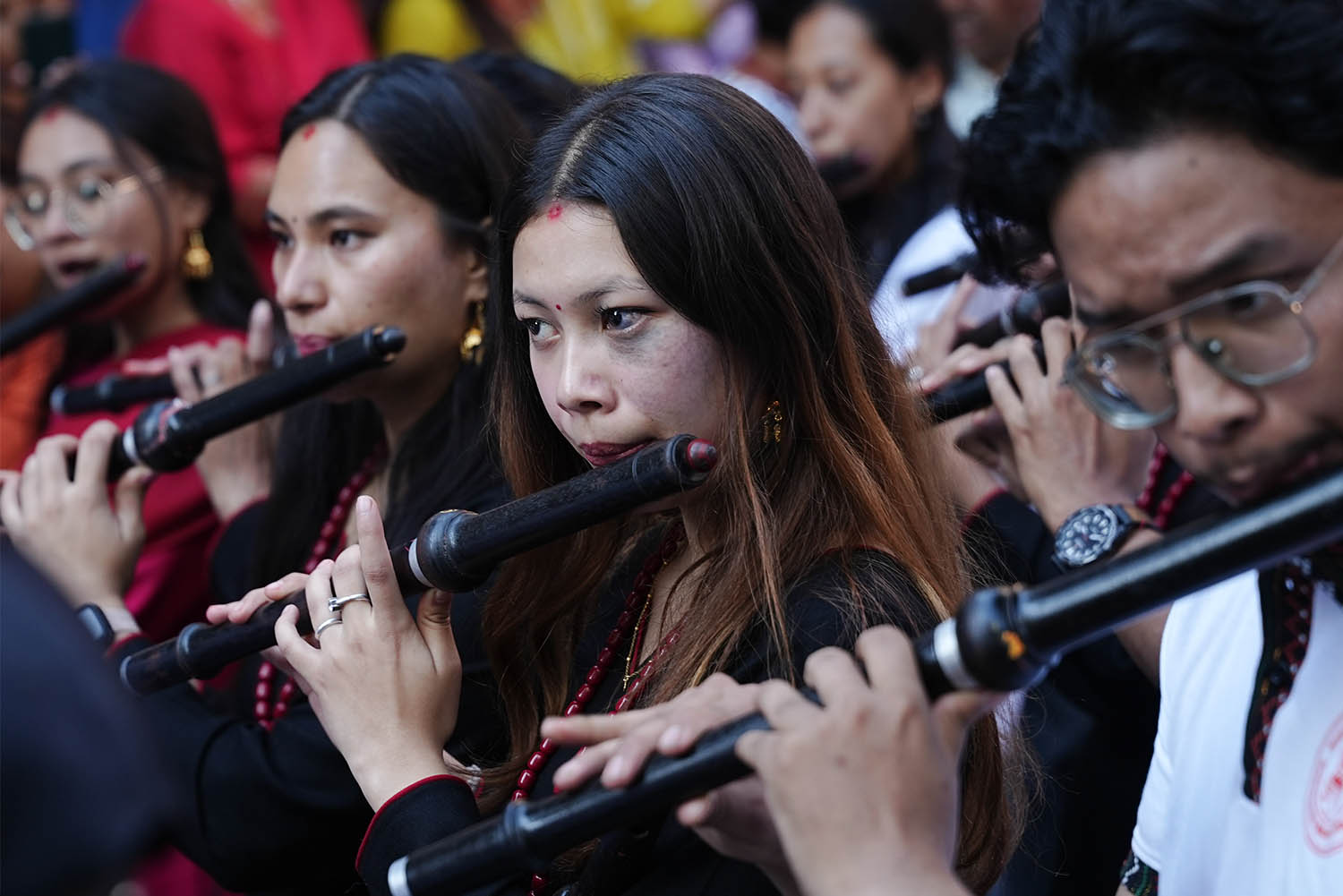
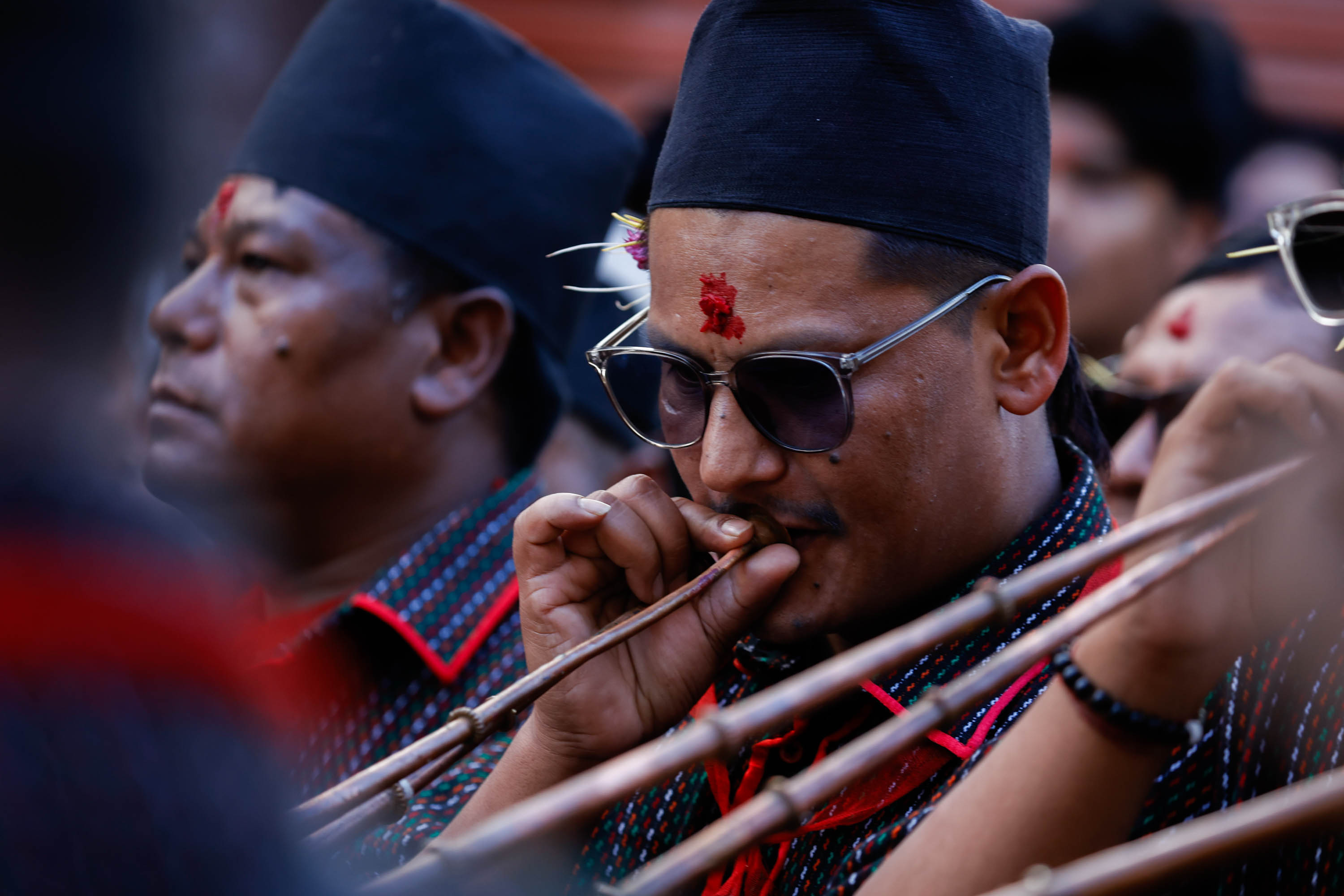
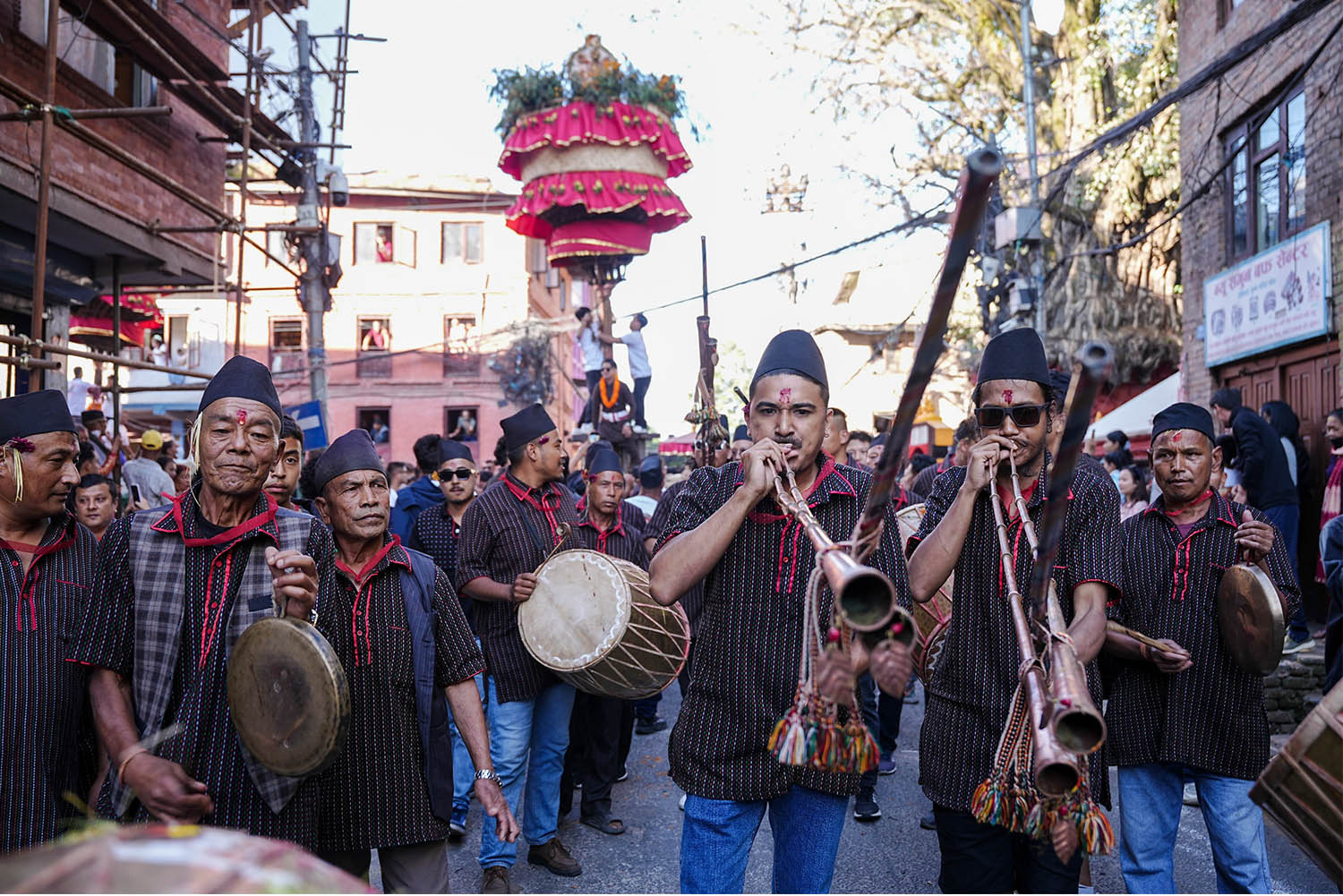
The Chokkatthunarayan Jatra began in Handigaun, an ancient neighbourhood of Kathmandu, on Tuesday, a day after Kojagrat Purnima, which marks the end of Dashain. The three-day festival is known for its unusual chariots and is associated with the popular Nepali saying, “Kahi Nabhaeko Jatra Handigaun Ma”, meaning a festival found nowhere else takes place in Handigaun.
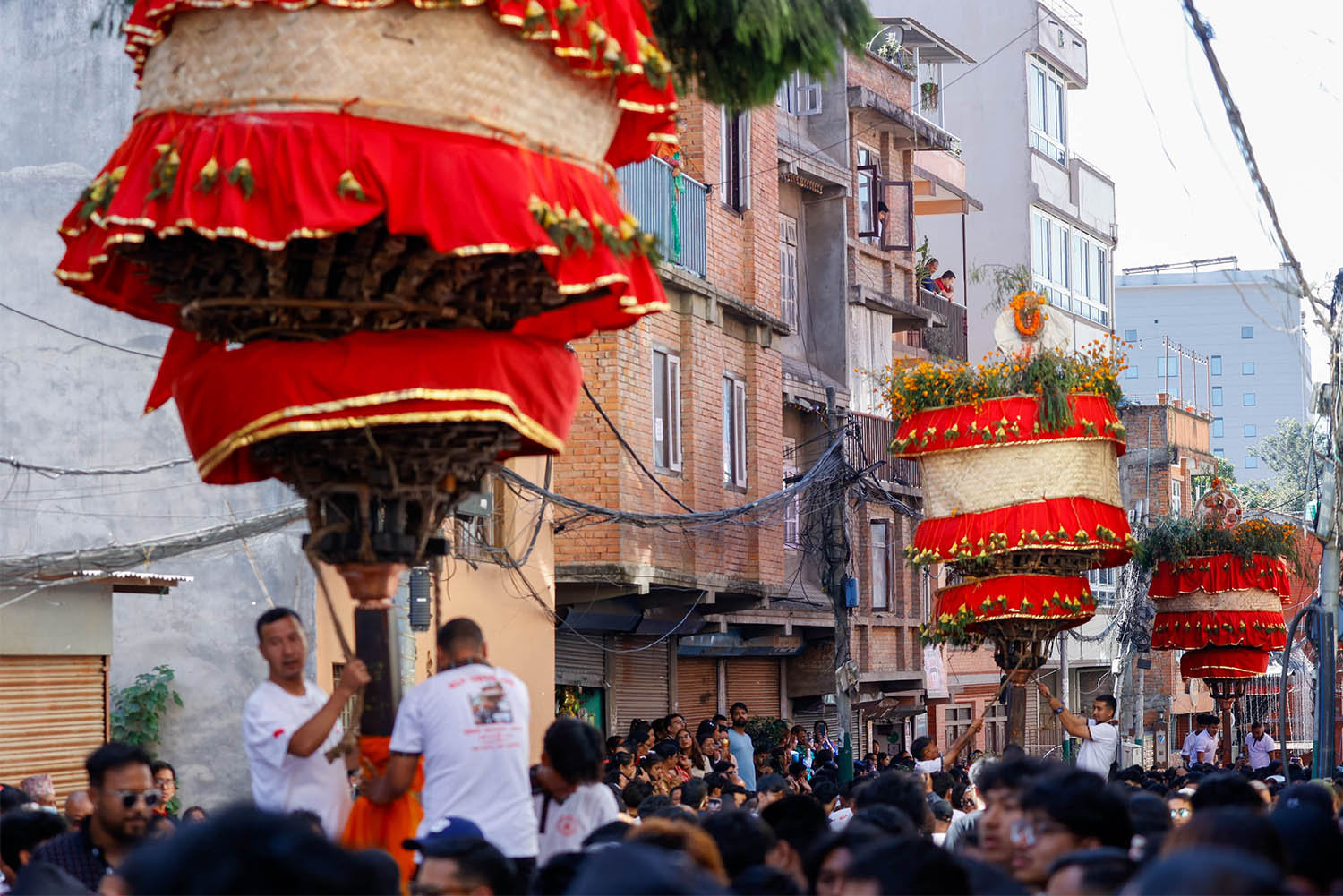
The festival features three wooden chariots, or khats, representing the Hindu deities Brahma, Vishnu and Maheshwar. The chariots are taken around different neighbourhoods as devotees gather to worship the deities.
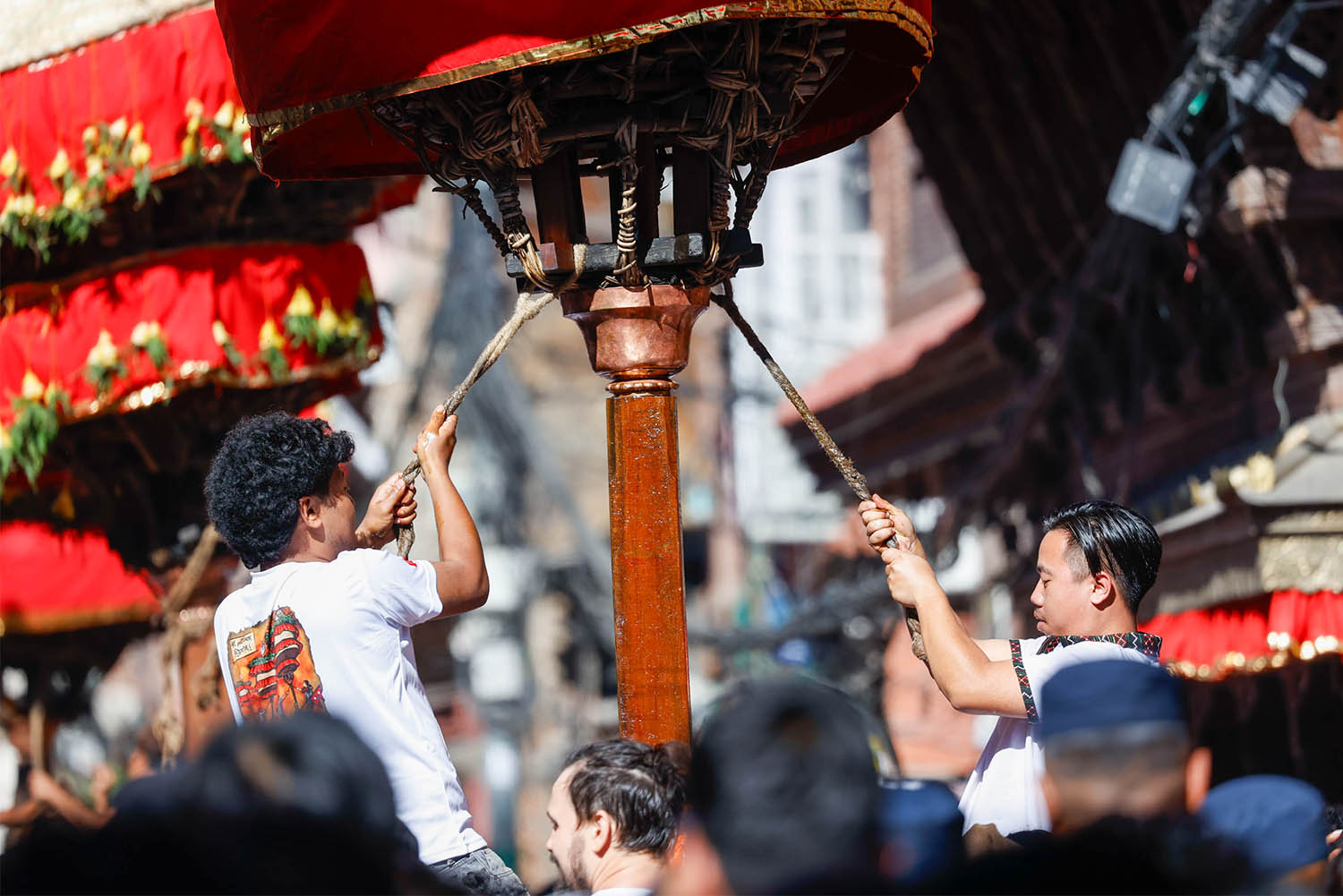
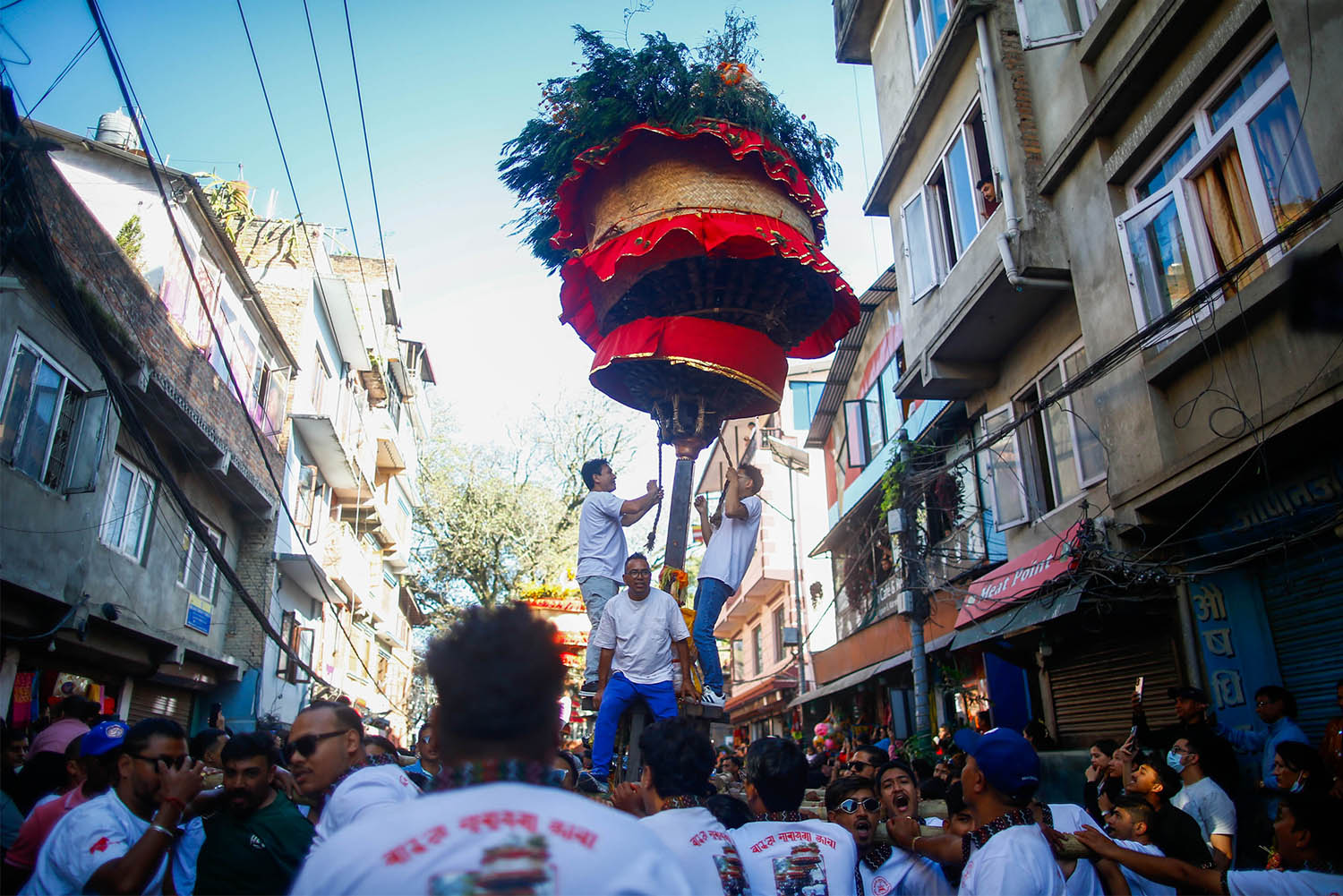
The festival’s defining feature is the unusual design of the chariots. Unlike those in other festivals in the Kathmandu Valley, the khats have their temple spires, or gajurs, at the bottom and the deities’ images at the top. Built using bamboo and wood, they are turned in a distinctive manner as they are paraded through the streets.
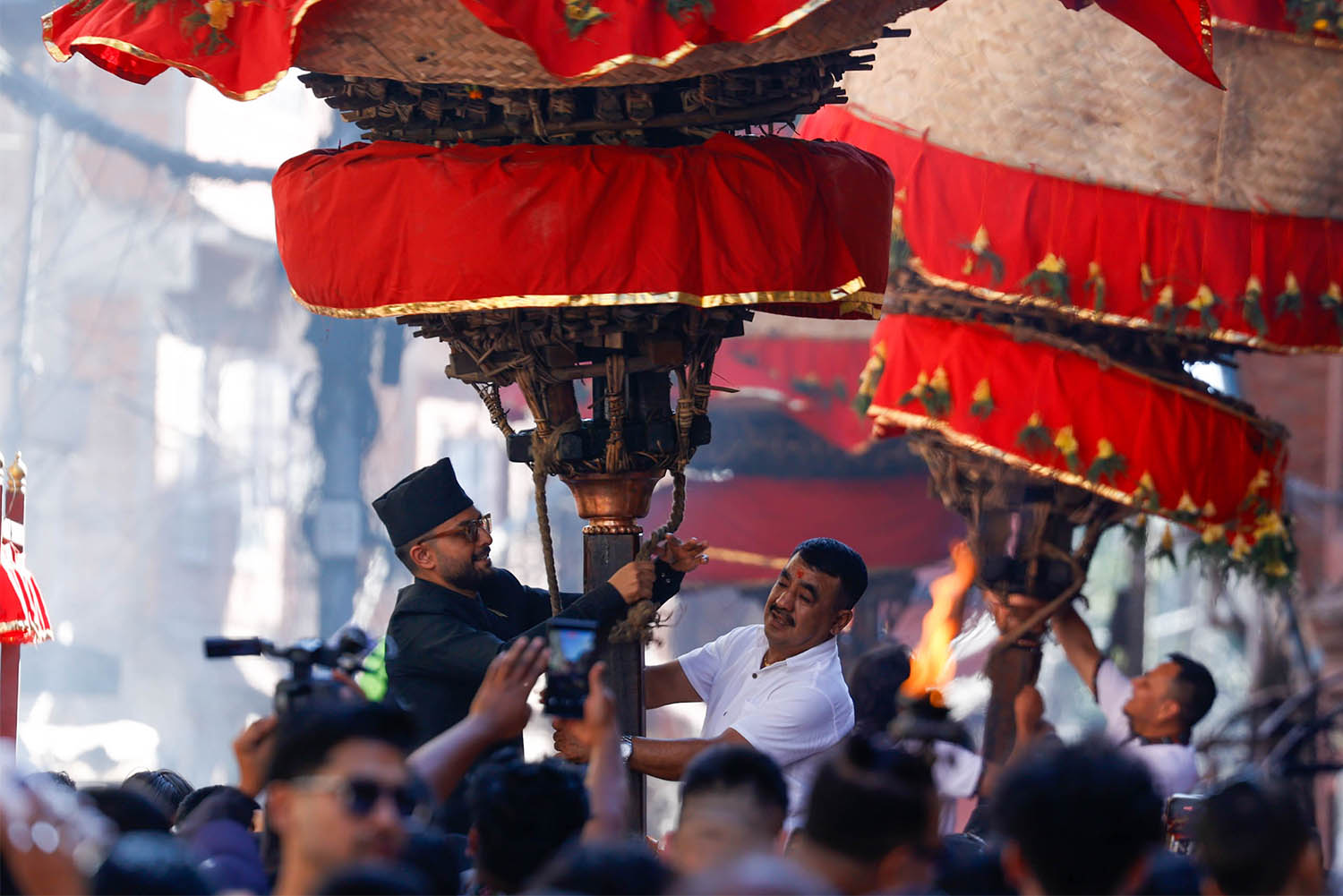
Traditionally, the chariot representing Brahma is brought out from the upper Thatal neighbourhood, Vishnu’s from the middle Nyalma neighbourhood and Maheshwar’s from the lower Kotal neighbourhood. Residents and devotees gather to watch the procession and offer prayers.
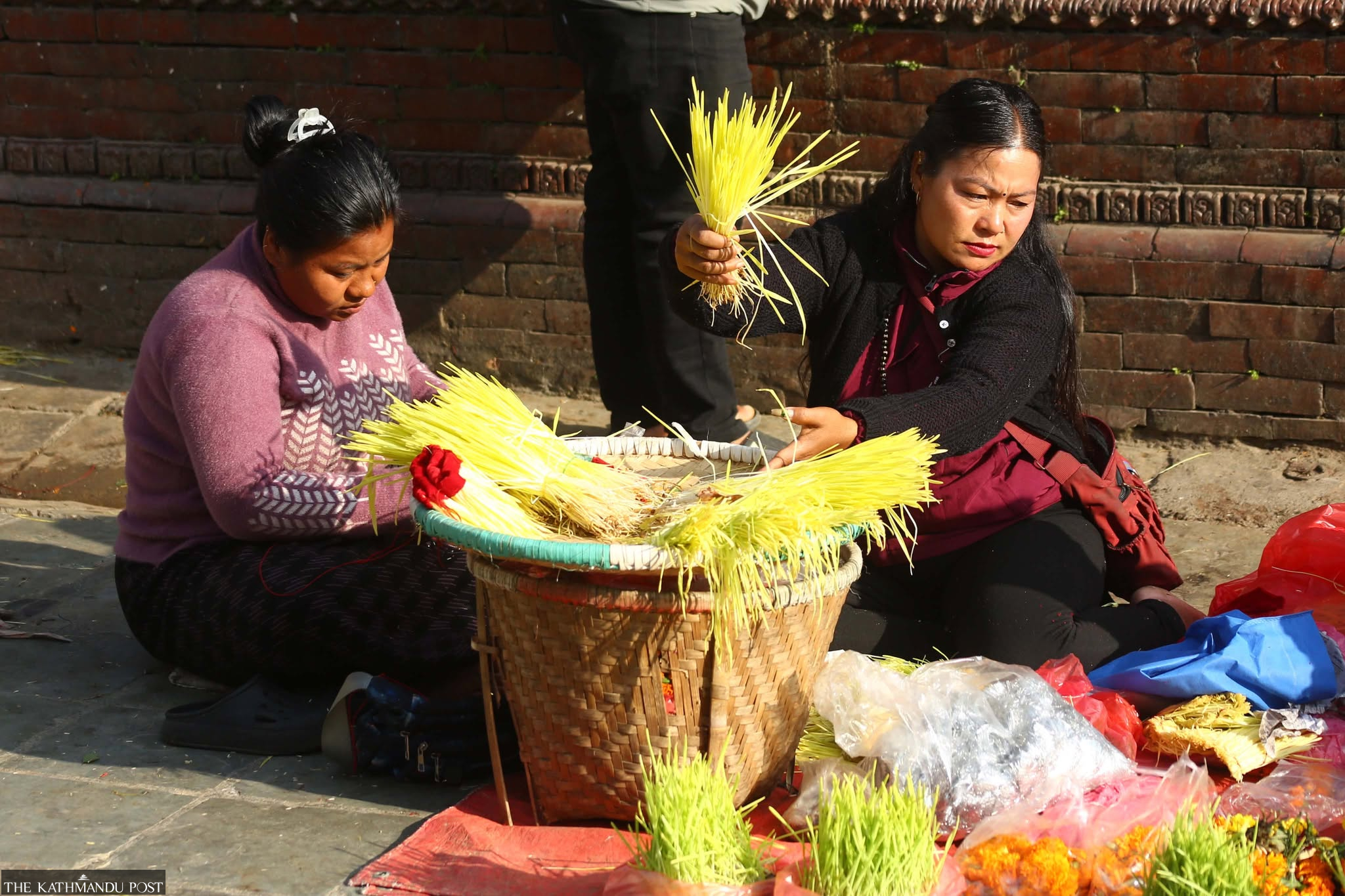
Another distinctive feature is the use of wax flowers to decorate the chariots. People eagerly collect flowers that fall as the khats are turned during the procession.
According to local legend, a woman remained unable to give birth for 12 years despite being pregnant. She sought Lord Narayana’s help and promised to organise a festival unlike any held elsewhere to please him. After her wish was fulfilled, the festival is believed to have begun in remembrance of the event.
A more elaborate version of the legend recounts how Narayana appeared before the woman during labour, disguised as a human, and asked her to call on him instead of her mother. When she dismissed him, the offended deity left for the Himalayas, vowing never to return. The woman then endured labour pains for 12 years. Unable to bear her suffering, local residents went to the Himalayas to seek the god’s forgiveness. Narayana initially refused to return, but relented after they promised to organise an unprecedented festival. The woman eventually gave birth to a boy, said in the legend to have been born with a moustache.
The annual festival is held to appease Narayana and remains an important part of Handigaun’s cultural identity. The three khats are also associated in some interpretations with the woman, her child and her husband.
Related News
×