



 14.46°C Kathmandu
Sat, Oct 10, 2026
Visual Stories
Jute harvest keeps Sunsari farmers busy
Farmers spend weeks cutting, retting, stripping and drying jute before taking the fibre to market.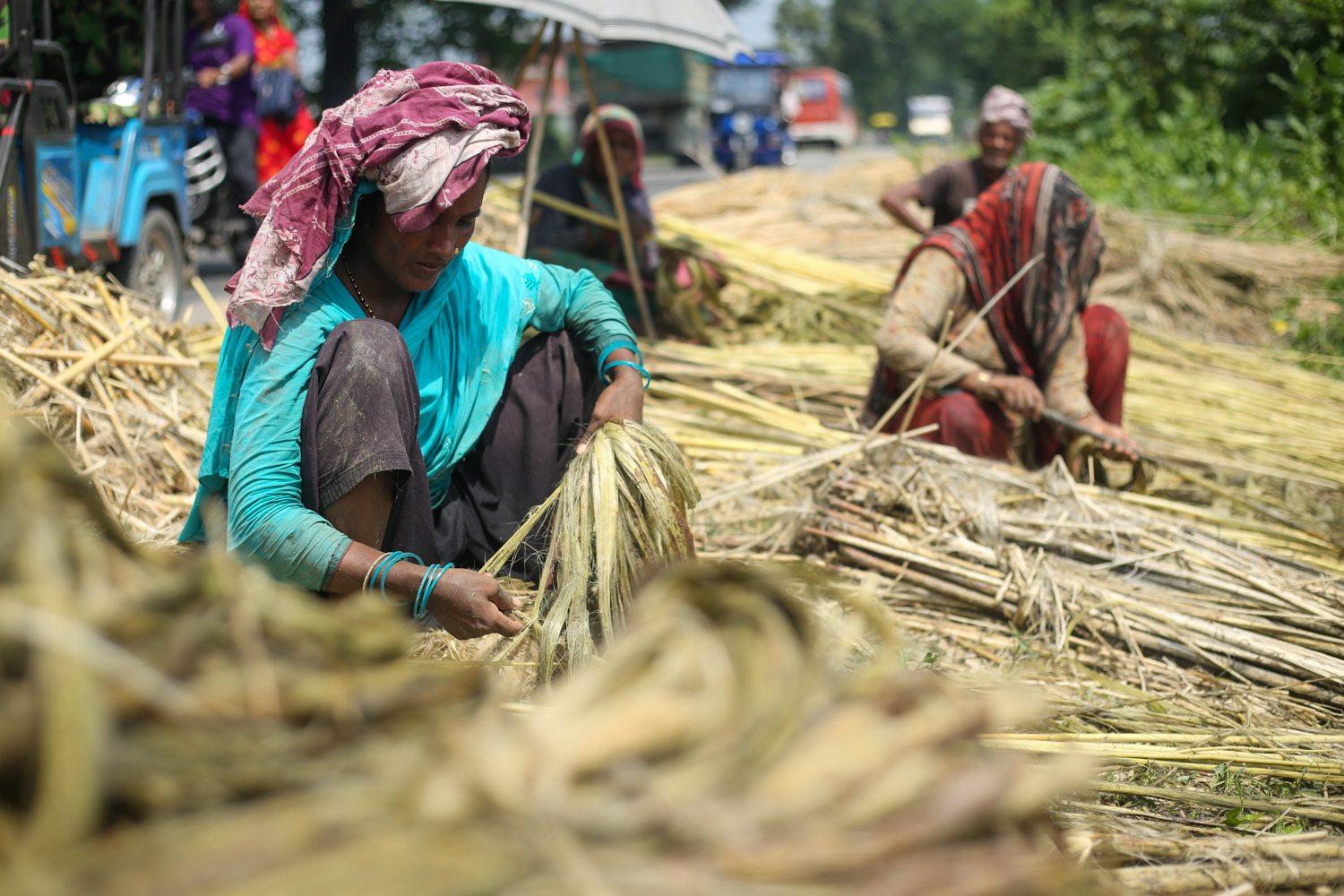
Nepal Photo Library
Published at : September 18, 2026
Updated at : September 18, 2026 10:47
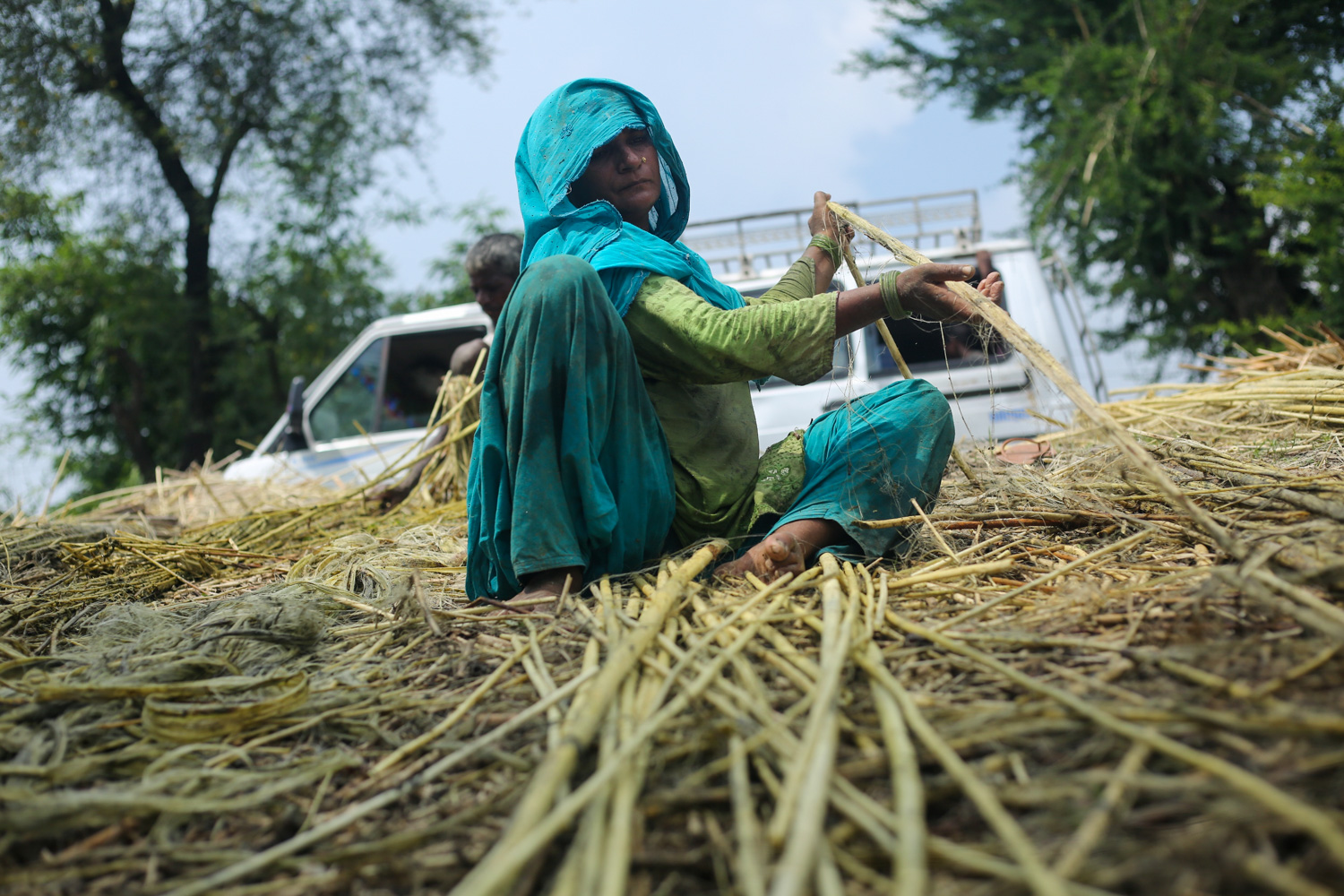
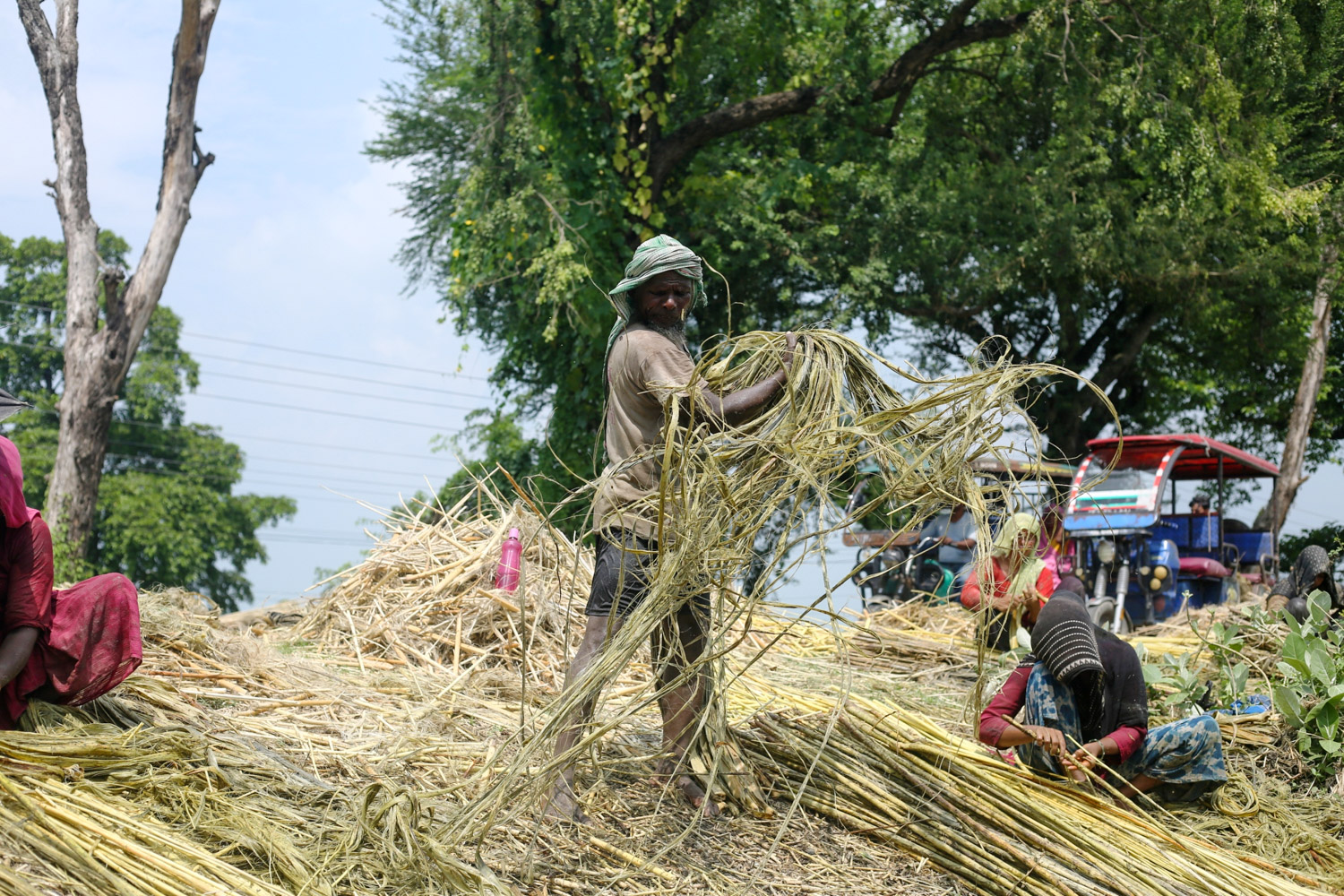
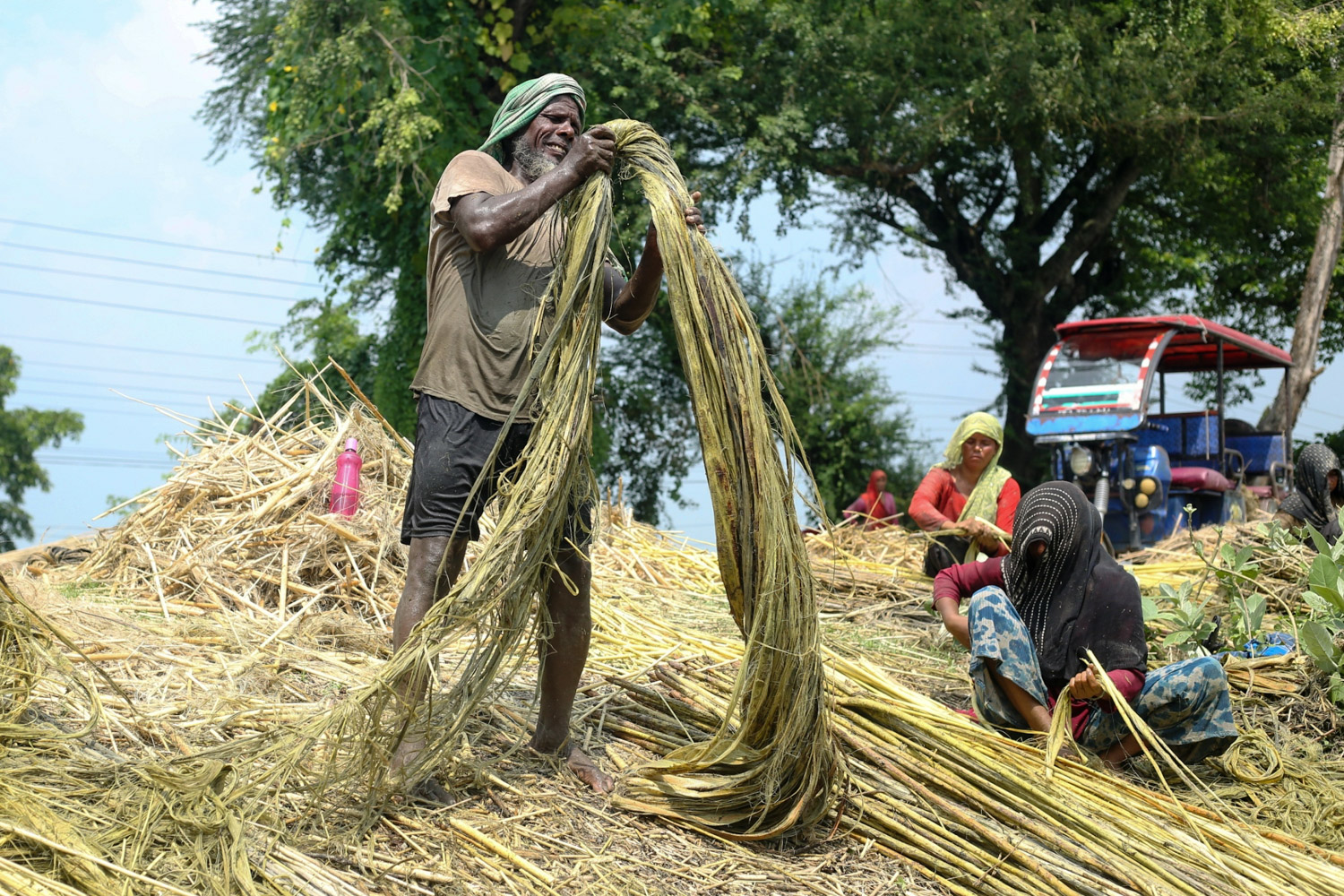
Farmers in Sunsari district in southeastern Nepal have been busy harvesting and processing jute, a cash crop, for the past month.
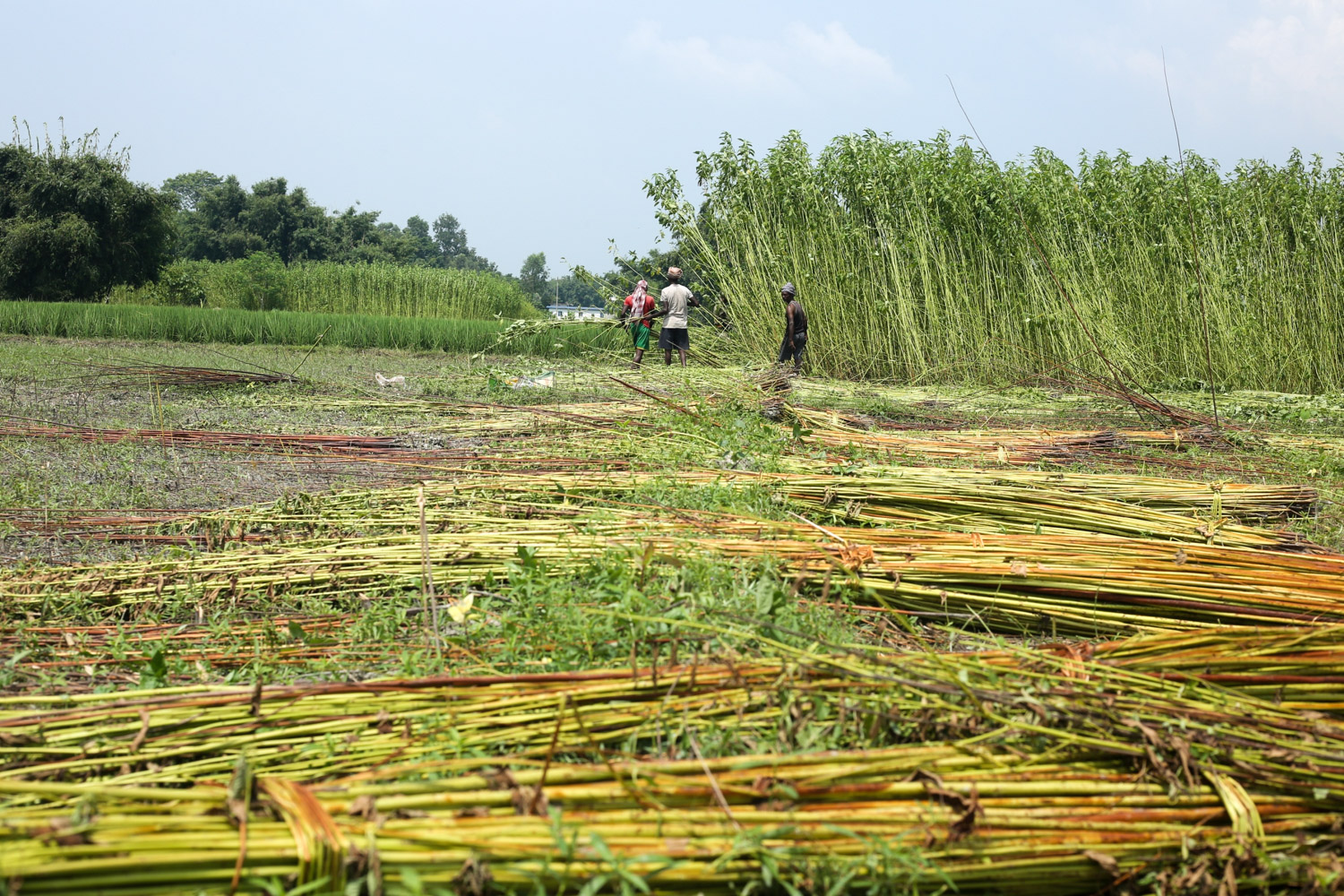
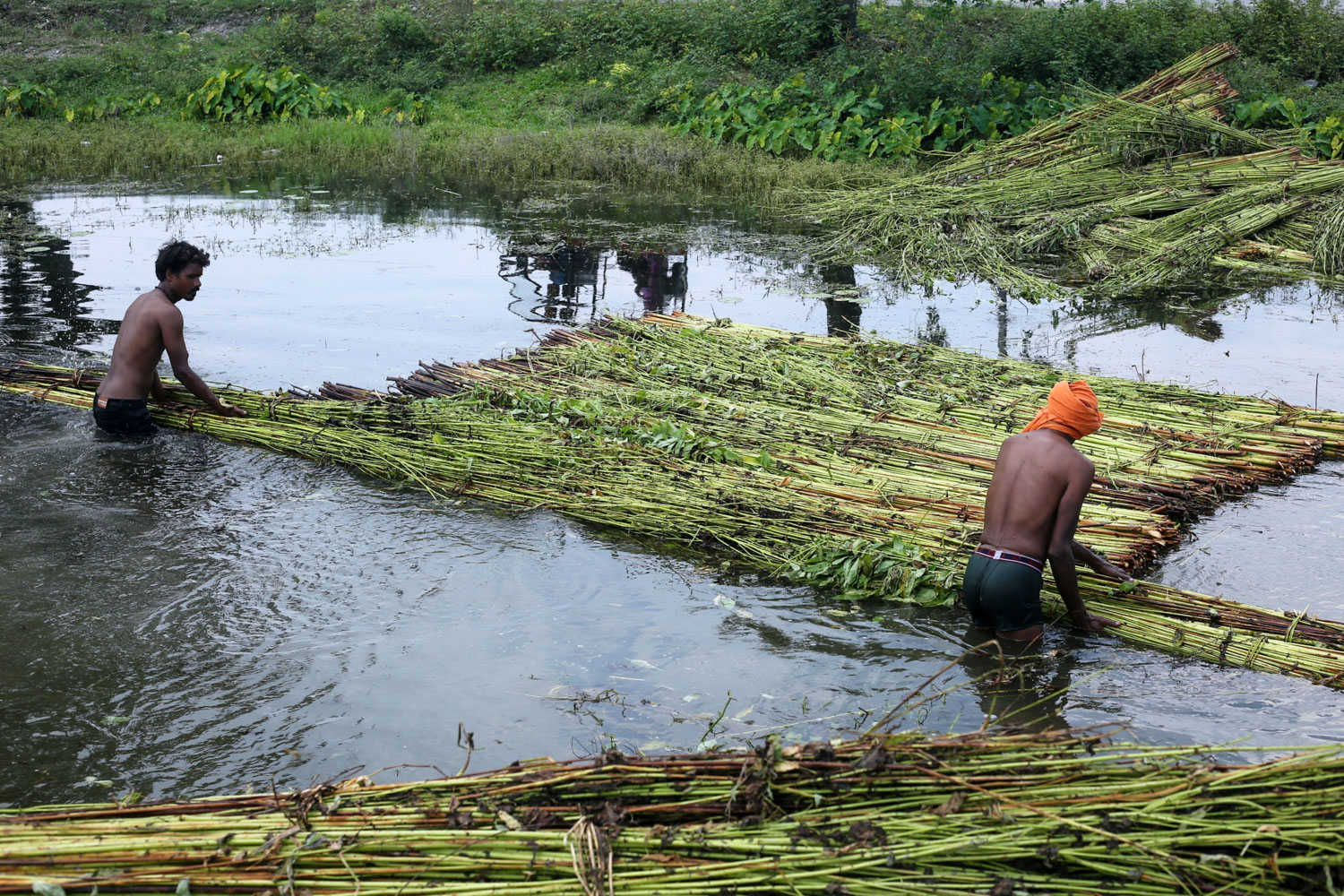
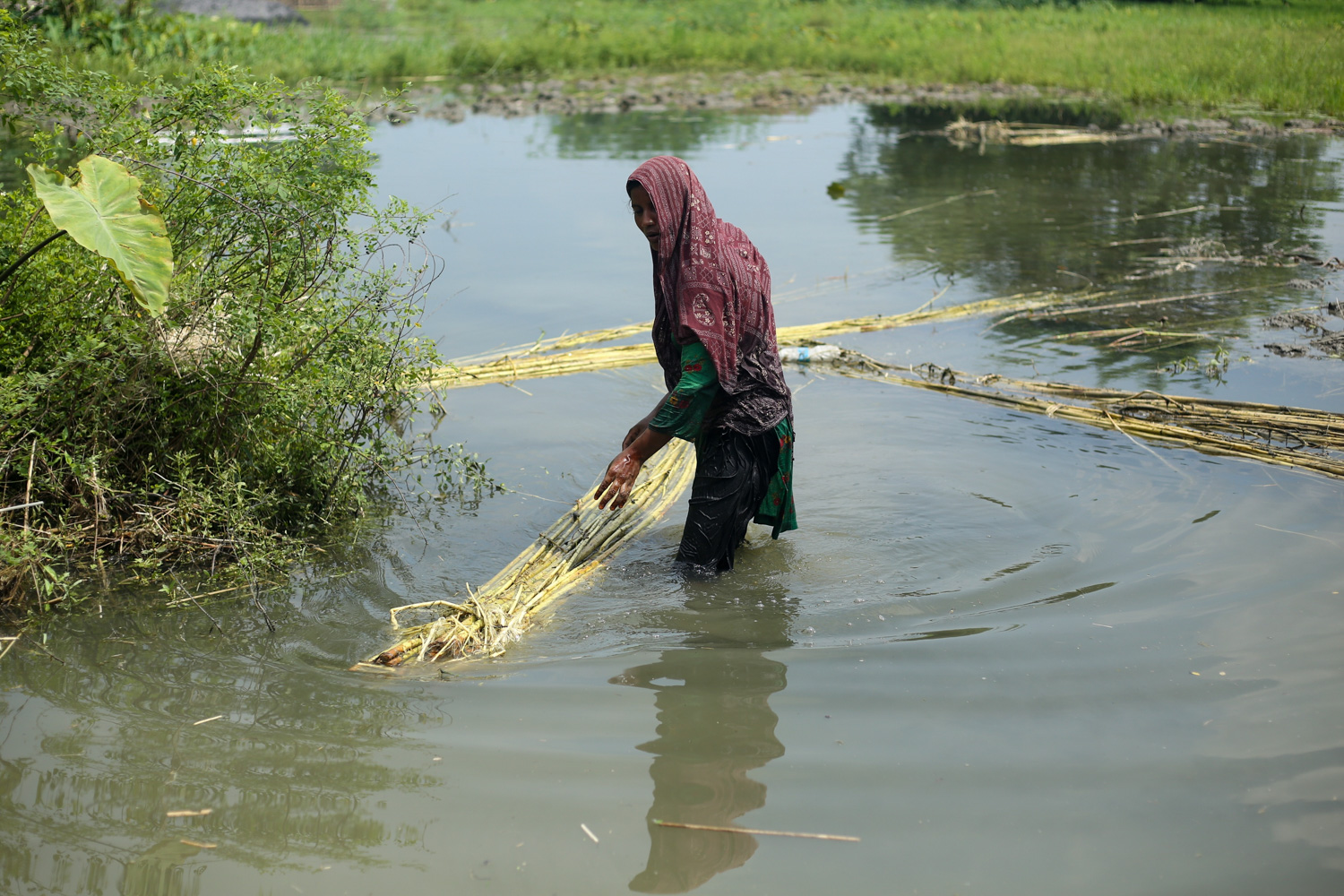
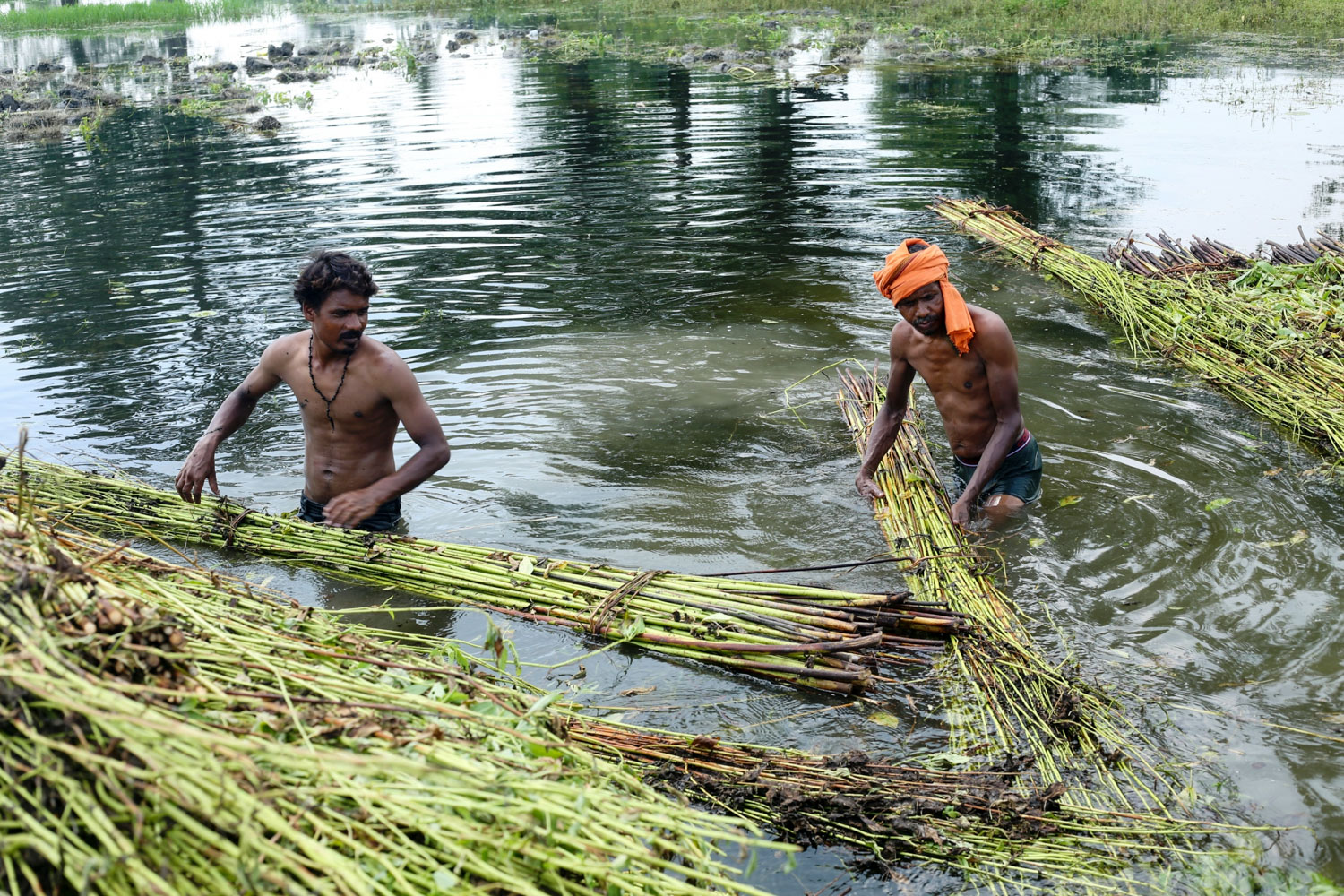
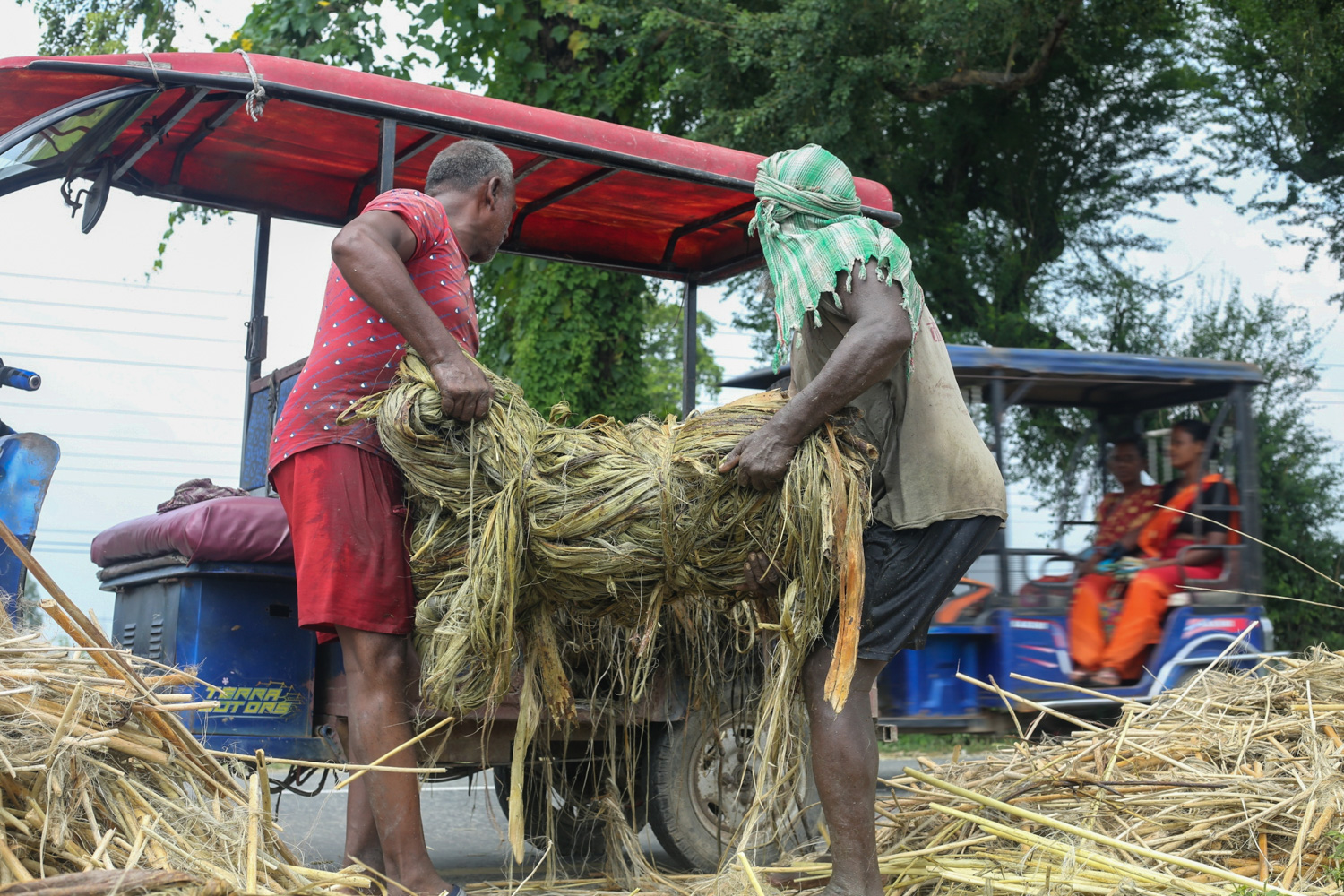
After cutting the jute, farmers soak the stalks in water for about 15 days before stripping the fibre from the stems. The fibre is then dried and taken to market for sale.
The leftover jute stalks are used as an alternative to firewood, either directly or to make fuel cakes. They are also used for fencing.
Jute is grown mainly during Nepal’s warm and rainy months. The crop requires hot, humid weather and adequate rainfall, so cultivation is concentrated largely in the southern plains. Jute is generally planted from March to May. The crop grows rapidly from May to July before being harvested from July to September.
In ward 2 of Bhokraha Narsingh Rural Municipality in Sunsari, farmer Rashid Miya is busy stripping jute fibre. “After cutting the jute, we soak it in water for 15 days before it is ready for stripping. Five workers took two days to process it this time,” he said.
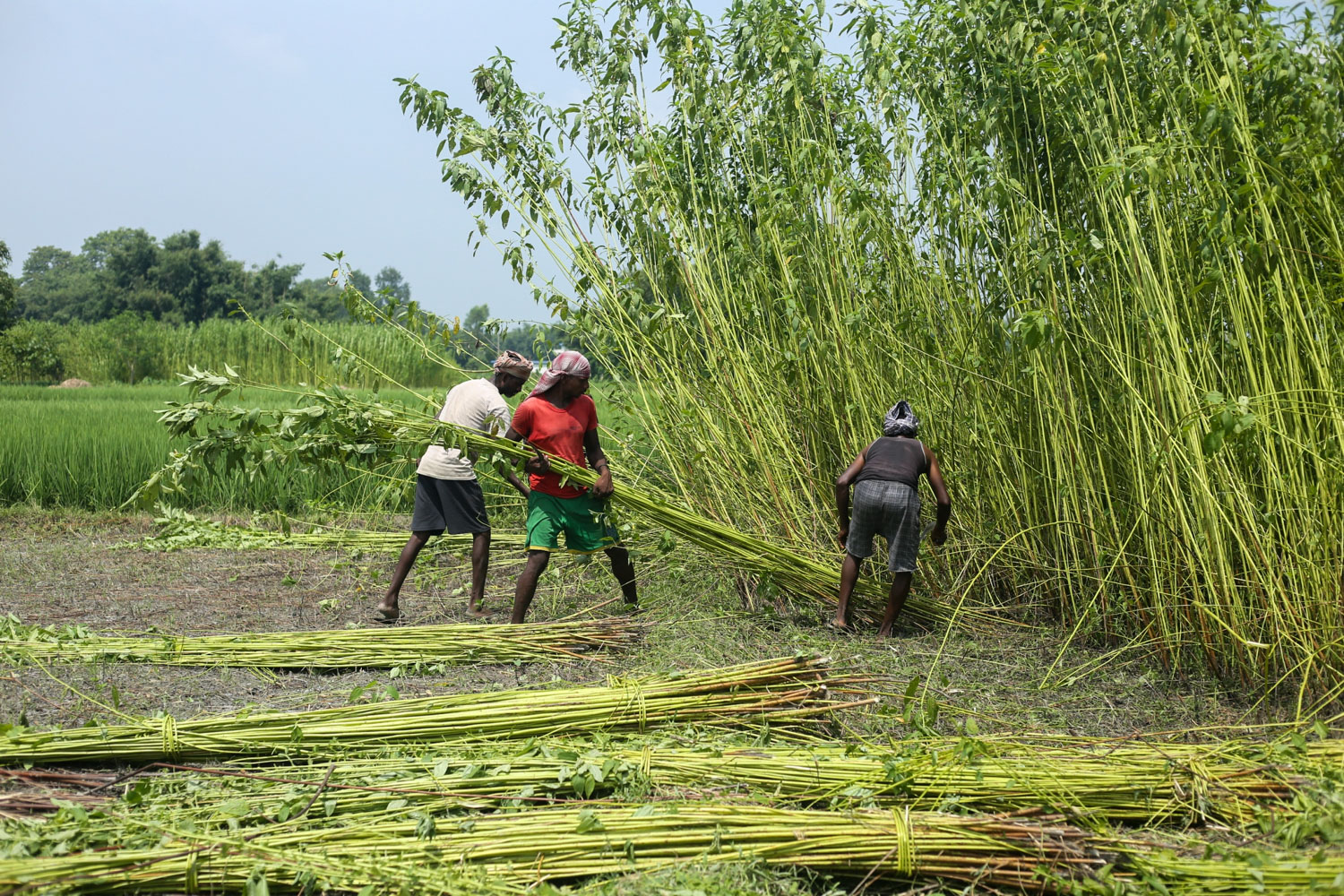
Miya planted jute on five katthas (1 kattha = approximately 338.6 square metres) of land. Other farmers in the same area, including Ranjit Mehta, Chandan Mehta and Jagadish Mehta, have planted 10, 14 and four katthas, respectively. Many farmers in the area grow jute on between five and 12 katthas of land.
Despite being a cash crop, jute requires substantial investment, Mehta said. “It costs at least Rs50,000 to grow jute on five katthas. Labour is another problem. Workers are expensive, costing around Rs1,200 a day, including food,” he said.
Farmers say jute is currently selling in the local market for about Rs6,000 per 40 kilograms. Once the fibre has been stripped, traders come directly to farmers’ homes to buy it.
The Agriculture Knowledge Centre in Sunsari says jute is grown mainly in Bhokraha Narsingh, Koshi, Harinagar, Gadhi, Barju and Dewanganj rural municipalities, as well as Duhabi and Inaruwa municipalities.
According to Prabin Shrestha, information officer at the centre, jute was cultivated on 1,308 hectares in Sunsari last year, producing 2,010 metric tonnes. This year, farmers planted the crop on 1,334 hectares and production reached 2,081 metric tonnes.
Jute industries in Sunsari and neighbouring Morang still do not receive enough raw material from production in the eastern Tarai districts of Jhapa, Morang and Sunsari. Industry operators say they continue to import jute from Bangladesh and India.
Farmers are now getting better prices for jute than they did several years ago. Shrestha said continued price growth could encourage farmers to expand cultivation, boosting production. He said Nepal could become self-sufficient in jute within a few years if cultivation continues to expand.
Photos: Navin Gadtoula/Nepal Photo Library
Nepal Photo Library
Nepal Photo Library is a Kathmandu-based news photography agency.



×