



 13.74°C Kathmandu
Nepali developer launches three mobile games to promote innovation and research
Apil Karki’s new App Store titles aim to encourage creativity, problem-solving and research among students, professionals and aspiring innovators.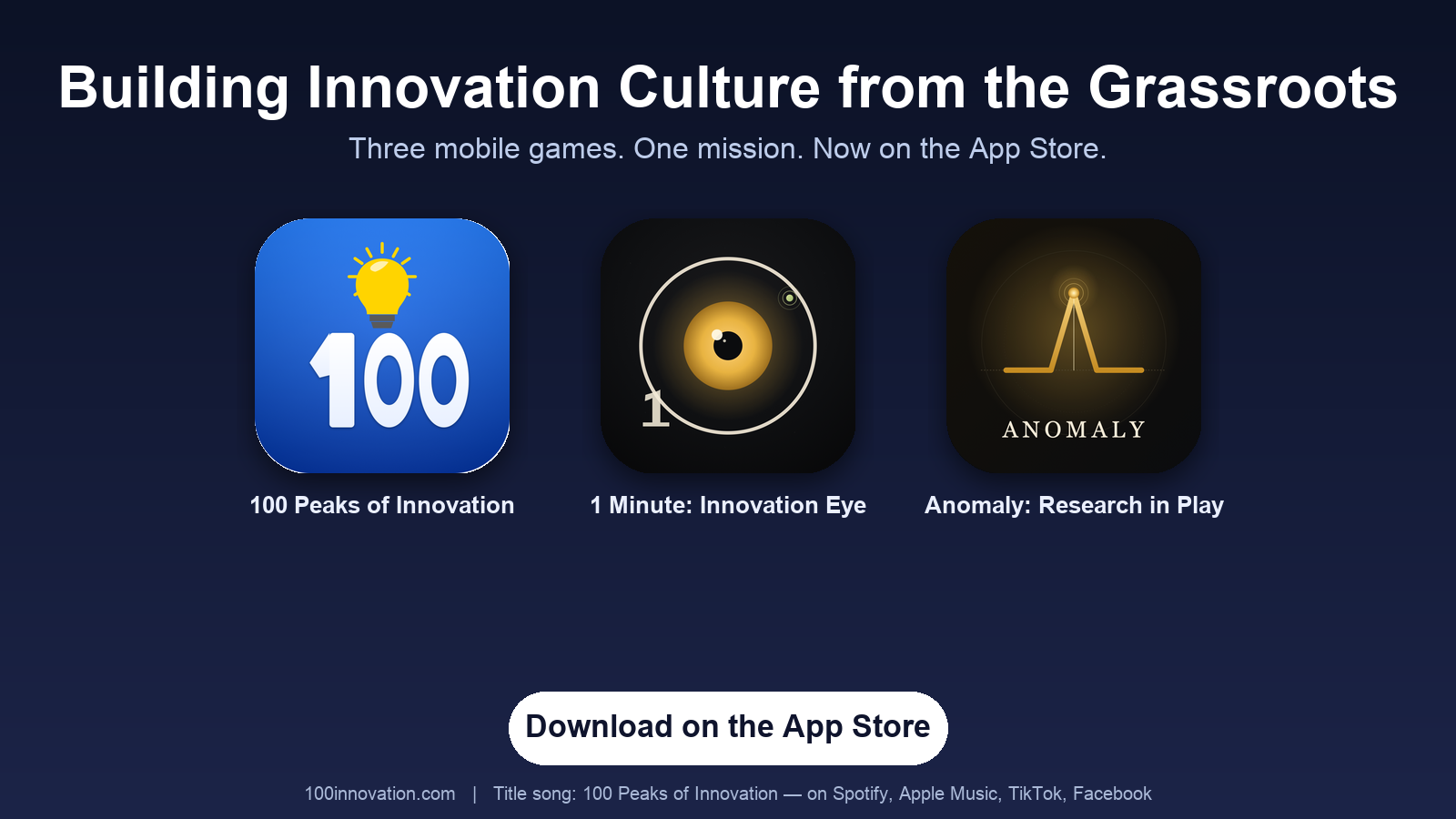
Innovation is often associated with research laboratories, universities and technology companies. But many of history’s most influential inventions began far from formal institutions, emerging instead from homes, workshops, classrooms and communities.
Inspired by that idea, Nepali developer Apil Karki has released three mobile games designed to encourage innovation, creativity and research among everyday users. Now available on the App Store, the games seek to foster a grassroots culture of innovation in Nepal by making creative thinking accessible to students, teachers, professionals and aspiring entrepreneurs.
The three titles — “100 Peaks of Innovation”, “1 Minute: Innovation Eye” and “Anomaly: Research in Play” — are built around a common goal: helping users develop habits of observation, problem-solving and invention through interactive gameplay.
According to Karki, innovation should not be viewed as the domain of a select few.
“Many of the world’s most important inventions came from people who identified problems in their daily lives and found practical solutions,” he says. “Innovation begins with curiosity, observation and a willingness to think differently.”
The idea is particularly relevant as Nepal expands its digital and technology ambitions. With growing interest in innovation, artificial intelligence and next-generation connectivity, supporters argue that developing an innovation mindset at the grassroots level is becoming increasingly important.
The three games approach that objective from different angles.
100 Peaks of Innovation
Described by its developer as an innovation reality-show game, “100 Peaks of Innovation” allows players to experience the process of creating and developing new ideas within a short gameplay session.
Each episode takes players through stages commonly found in hackathons and innovation competitions, including problem identification, brainstorming, prototyping and pitching. An AI-powered jury provides instant feedback, while players can compete, collaborate and refine their concepts throughout the game.
The first season features nine episodes covering themes such as smart cities, artificial intelligence, next-generation communications technologies and the future of work.
Players also build a personal “Innovation Portfolio” containing the ideas they develop during gameplay.
1 Minute: Innovation Eye
Built around the concept that small daily habits can lead to meaningful change, “1 Minute: Innovation Eye” encourages users to spend a minute each day examining problems and opportunities around them.
Designed for students, teachers, designers, journalists, entrepreneurs, healthcare workers and professionals from diverse backgrounds, the game promotes a simple but powerful question: “What could be improved?”
The aim is to strengthen observation skills and encourage users to identify opportunities for innovation in everyday life.
Anomaly: Research in Play
The third title, “Anomaly: Research in Play”, focuses on developing research skills.
Through short gameplay sessions, users are guided through the process of asking questions, analysing information and developing structured ideas. The game is intended for individuals interested in research, invention and evidence-based problem-solving.
According to the developer, regular use can help users develop the foundations of a research project while encouraging critical thinking and curiosity.
A shared message
All three games share a common theme song, “100 Peaks of Innovation — Dream, Create and Lead the Future”, available across major music streaming platforms.
The song is intended to reinforce the broader message behind the games: encouraging young people to embrace creativity, innovation and problem-solving as part of their daily lives.
Encouraging a culture of invention
The developer says the project is ultimately about promoting a culture in which innovation becomes a habit rather than an occasional activity.
For individuals, that may mean taking time each day to identify challenges and think about solutions. For organisations, it could involve creating space for new ideas through innovation programmes, competitions and collaborative projects. Educational institutions, meanwhile, can help students see themselves as inventors, creators and problem-solvers by connecting learning with real-world challenges.
All three games are available free of charge on the App Store. They are ad-free, do not require user accounts and do not collect personal data. An Android version is currently under development.
Karki summarises the project’s vision in a simple phrase: “Invention for development.”
More information is available at 100innovation.com.
Sponsor Content / Message from Partner :
This Content is made possible by our Sponsor/Partner; it is not written by and does not necessarily reflect the views of The Kathmandu Post's editorial staff.
See our Advertising Guidelines, or email [email protected] to learn more.